CPAP Machines
What They Do
Continuous Positive Airway Pressure (CPAP) is a form of non-invasive breathing support that delivers a gentle, steady flow of pressurised air to help keep the airways and lungs open.
In adults, CPAP is commonly used to treat conditions such as sleep apnoea. In sick and premature babies, it supports immature lungs that are not yet able to function effectively on their own.
By maintaining continuous pressure, CPAP keeps the tiny air sacs in the lungs (alveoli) partially inflated. This improves oxygen exchange, reduces the effort required to breathe and lowers the risk of lung collapse. Because it is gentle and can avoid the need for intubation in many cases, CPAP has become a cornerstone of neonatal respiratory care.
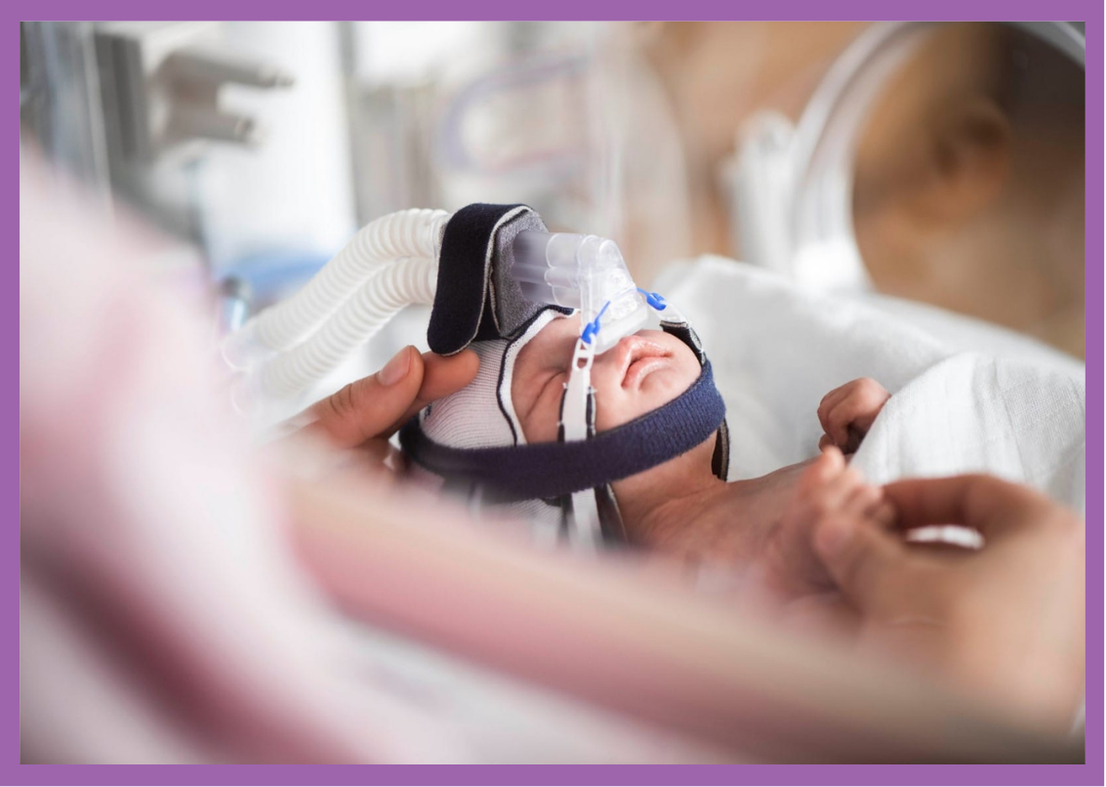
What does a CPAP machine do?
A CPAP machine provides continuous airway pressure to stabilise breathing. Rather than breathing for the baby, it supports each natural breath by:
- Preventing alveolar collapse
- Maintaining adequate lung volume
- Reducing the work of breathing
- Improving oxygen levels
This makes CPAP a safe, non-invasive alternative to mechanical ventilation in many cases.
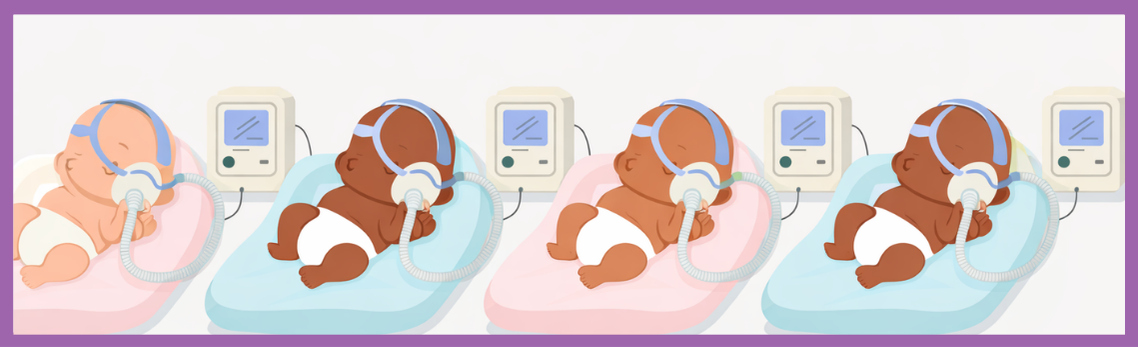
CPAP for premature babies
Premature babies often require CPAP because their lungs are not fully developed and may lack surfactant, the substance that helps keep the air sacs open. Without sufficient surfactant, breathing becomes difficult and the risk of respiratory distress increases.
CPAP gently supports these immature lungs by keeping them partially inflated and reducing strain during breathing. In neonatal intensive care units (NICUs), babies receiving CPAP are closely monitored, with staff tracking their breathing rate, oxygen saturation, and overall stability. Pressure and oxygen levels are adjusted as needed while their lungs grow stronger and more mature.
Is CPAP safe?
CPAP is widely considered safe for newborns, including very premature babies, when used by trained neonatal teams in a NICU setting. Because it is non-invasive, it avoids many of the risks associated with mechanical ventilation while still maintaining adequate lung expansion and oxygen exchange.
Like any medical therapy, CPAP can have side effects, although these are usually mild and manageable. They may include nasal irritation, skin redness where the prongs or mask sit, abdominal distension from swallowed air, or, rarely, air leaks in the lungs. Careful monitoring, correct fitting of the equipment, and gradual weaning can help minimise these risks.
Advancements such as bubble CPAP systems and heated humidification have further improved comfort and reduced complications. Clinical evidence continues to support CPAP as a first-line therapy in neonatal respiratory care.
See FAQs Below
Get Involved
Run with us
Donate
Join the Premmie Marathon Challenge
FAQs
Why do premature babies need CPAP?
Premature babies often need CPAP because their lungs are not fully mature at birth, making it harder to maintain steady breathing. Many preterm infants do not produce enough surfactant, which increases the risk of breathing difficulties in the first days of life.
CPAP provides gentle, continuous pressure that supports each breath, helping stabilise oxygen levels while the lungs continue to develop. It allows many babies to receive effective respiratory support without the need for more invasive treatments.
Is CPAP covered in Australian hospitals for newborns?
Yes. In Australian public hospitals, CPAP therapy is fully covered under Medicare as part of neonatal intensive care. Families do not pay out of pocket for CPAP equipment, monitoring, or treatment provided during a NICU stay.
In private hospitals, private health insurance may cover CPAP-related costs, though families may experience out-of-pocket expenses depending on their level of cover and hospital agreements.
Are there risks or side effects of CPAP for babies?
CPAP is generally safe but can occasionally cause mild side effects like nasal irritation, skin breakdown, or stomach distension due to swallowed air. Rarely, more serious issues like air leaks (pneumothorax) can occur, but these are closely monitored and managed in NICU settings by trained professionals.
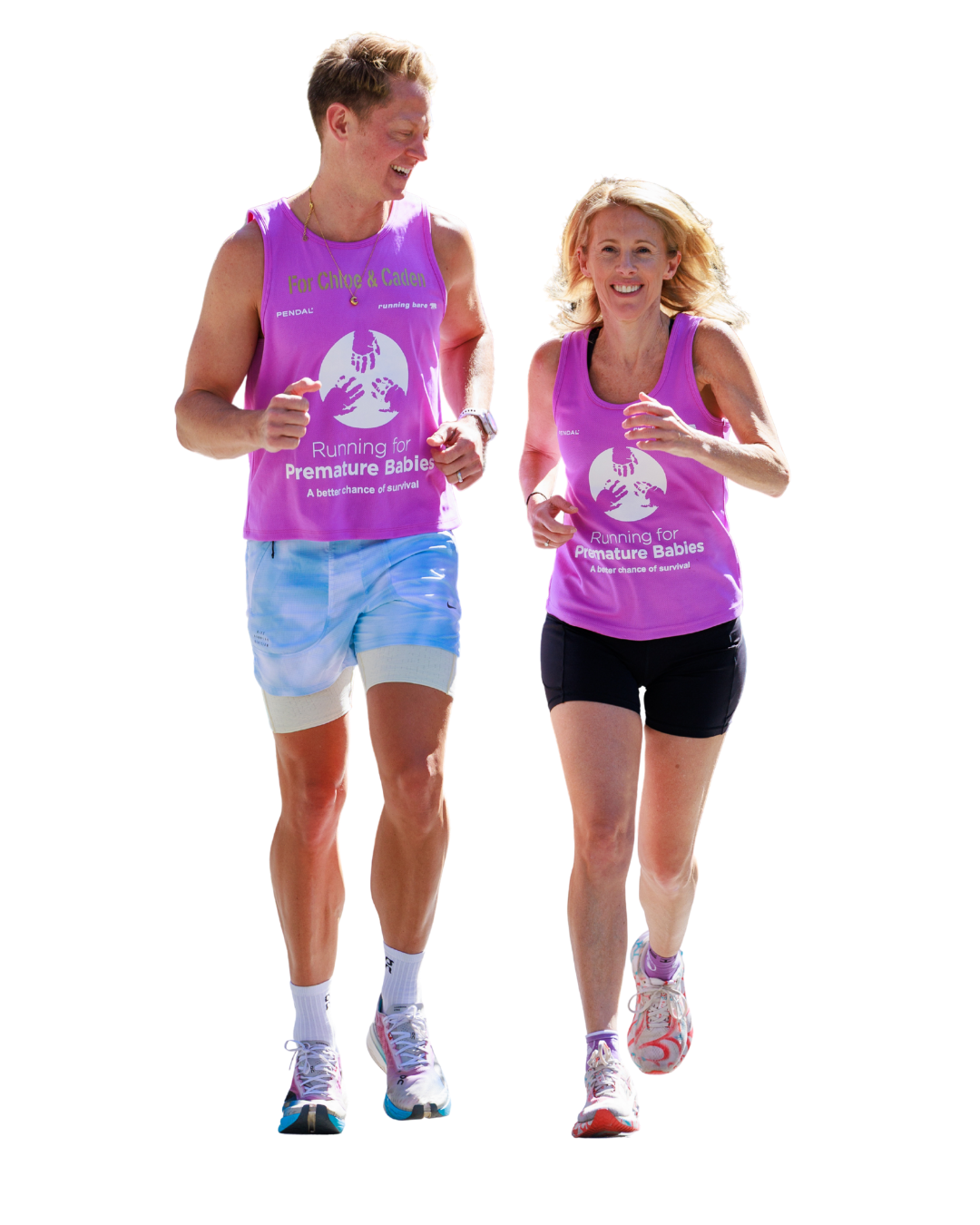
How Running for Premature Babies Helps Support NICUs, SCNs and Maternity Units
Running for Premature Babies plays a crucial role in supporting NICUs, SCNs and maternity units across Australia by providing vital equipment that gives sick and premature babies a better chance of survival.
As one of the country’s most impactful charitable foundations in neonatal care, the organisation has raised more than $12 million since 2007, enabling the donation of over 172 pieces of critical neonatal equipment, including humidicribs, monitors, ventilators and resuscitation cots, to hospitals nationwide. This equipment directly supports NICUs and SCNs in caring for extremely vulnerable newborns, helping to improve survival rates and long-term outcomes.
Running for Premature Babies also funds cutting-edge neonatal and perinatal research, helping to advance the care of premature infants and improve future treatment options.
Beyond funding, the charity raises awareness of prematurity and the immense demands on NICUs, highlighting the reality that 1 in 10 babies in Australia is born prematurely, with many requiring intensive care that can cost thousands of dollars per day. The charity celebrates all prematurely born children, both living and lost, with many supporters having lived experience of prematurity.
Through community running events and nationwide fundraising efforts, Running for Premature Babies empowers everyday Australians to make a tangible difference, helping hospitals provide the specialised care needed to give premature babies their best possible start in life.
You can read more about our impact here.
By giving today, you can help fund urgently needed neonatal equipment that supports hospitals and saves the lives of sick and premature babies. Give today and help fund urgently needed neonatal equipment that will save the lives of sick and premature babies.