

NICU Care Costs in Australia
What Families Should Know
Neonatal intensive care is one of the most demanding parts of maternity and newborn care, both emotionally and financially. When a baby needs care in a neonatal intensive care unit (NICU) or special care nursery, it can place significant strain on families at an already stressful time.
In Australia, nearly 1 in 5 babies (18%) are admitted to a NICU or special care nursery each year. These admissions are more common among babies who are born prematurely or with low birth weight, as well as among First Nations families and families experiencing socioeconomic disadvantage. This means that families who are already more vulnerable are more likely to be affected.
For parents, the financial impact often goes well beyond hospital treatment itself. Costs can include travel to and from the hospital, time away from work, accommodation near specialist hospitals, childcare for siblings and other out-of-pocket expenses that quickly add up during a prolonged hospital stay.
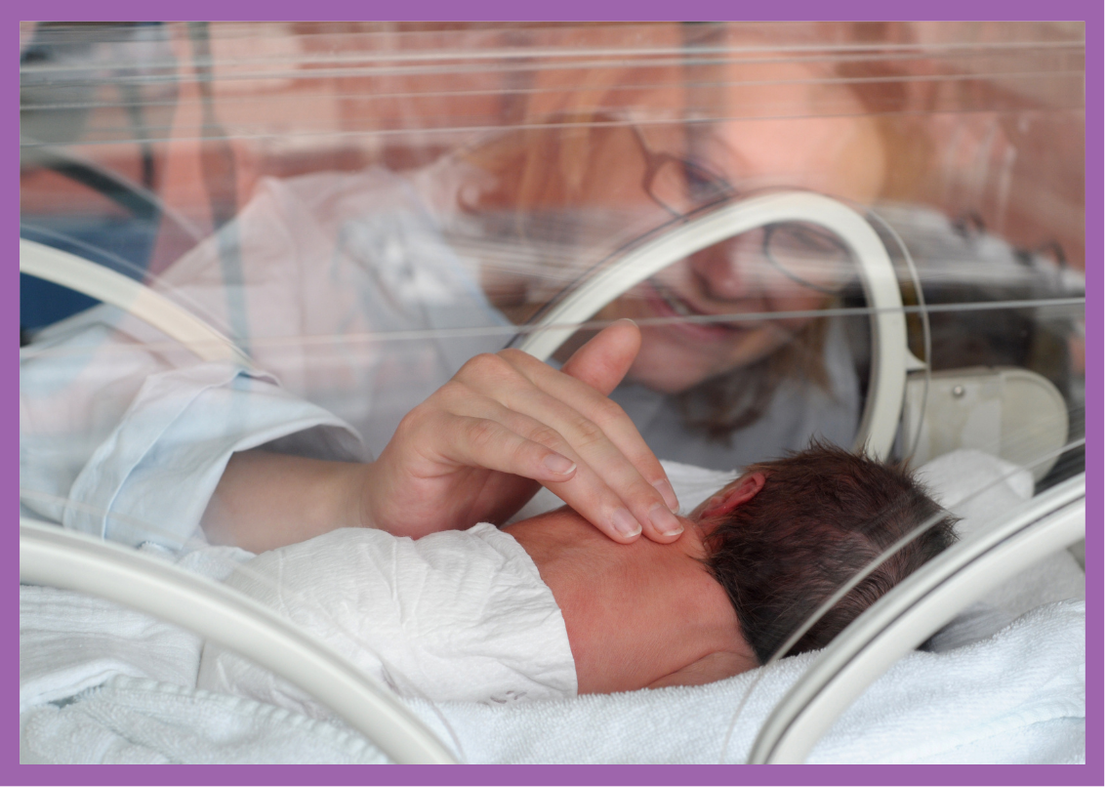
Research shows that these costs vary widely depending on where families live, their income, and their access to services, adding pressure during an already overwhelming period.
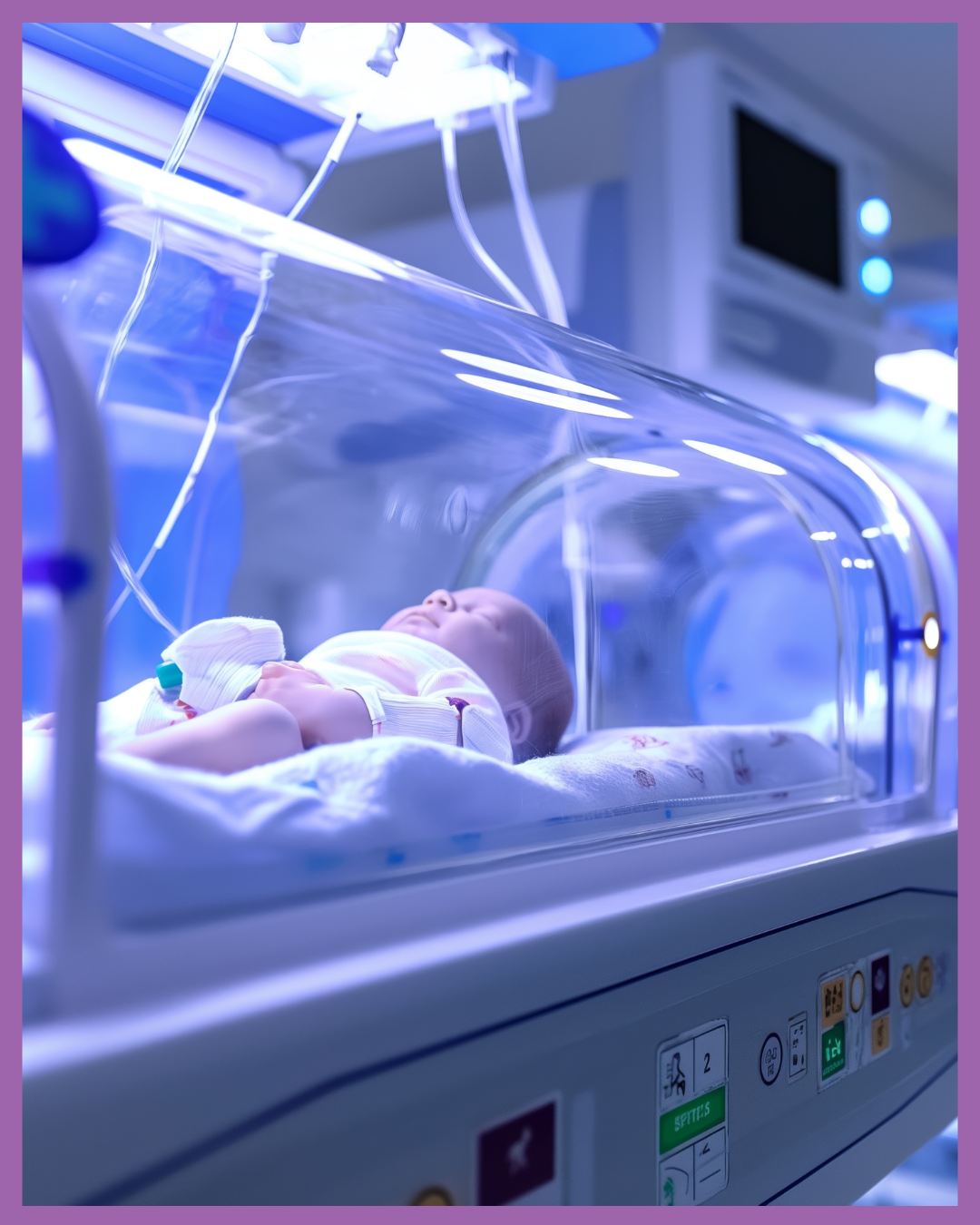
Caring for babies who need intensive support also requires significant resources. Babies admitted to the NICU typically need specialised equipment, continuous monitoring, and highly trained medical and nursing staff. Studies show that births requiring intensive care are much more expensive than uncomplicated births, with NICU admissions adding thousands of dollars to the overall cost of care.
These costs matter because they directly affect families’ wellbeing, financial stability, and ability to focus on their baby’s recovery. They also highlight why ongoing investment in neonatal care is essential, so that all babies, regardless of where they are born or their family’s circumstances, can access high-quality, lifesaving care when they need it most.
What determines the cost of NICU care?
Several factors can determine the cost of NICU care:
- Baby’s clinical needs and severity: Preterm birth, low birth weight, and multiple births can affect a baby’s clinical needs and the level of support required.
- Length of stay: Hospital stays vary widely depending on gestational age, ranging from 10-143+ days, with longer stays significantly increasing resource use.
- Resource-intensive hospital infrastructure: NICU care requires advanced equipment, high staff-to-baby ratios, and specialised clinical capabilities, making it a resource-intensive service nationally.
- Socioeconomic and geographic inequities: Out-of-pocket maternity and early childhood healthcare costs can vary according to socioeconomic status, remoteness, and Indigenous identification, increasing the financial burden on some families.

NICU costs by care level
The cost of neonatal intensive care can vary widely in Australia, depending on whether care is provided in a public or private hospital and how that care is funded.
Caring for very small or critically unwell newborns requires highly specialised staff, advanced equipment, and continuous monitoring. Data shows that caring for a baby born weighing less than 750 grams can cost around $216,000, while care for babies weighing between 1.5 kg and 2 kg typically costs around $59,000. These figures reflect the complexity and intensity of care required for vulnerable newborns.
For families whose babies are treated in public hospitals, the financial impact is usually minimal. Medicare covers almost all aspects of NICU care, including the hospital stay, specialist doctors, procedures, and treatments. Even when a baby needs a long or complicated stay, parents generally face little to no out-of-pocket costs. However, families cannot usually choose their specialist or expect access to a private room.
In private hospitals, NICU care can be much more expensive for families. Costs depend heavily on the level of private health insurance cover. While insurance may pay for hospital accommodation and some medical fees, parents can still face significant out-of-pocket expenses. These may include specialist gap fees, services not covered by their policy, or limits within their maternity or neonatal cover. Total costs can vary greatly depending on how unwell the baby is and how long they require intensive care.
Who pays for NICU care in Australia?
Who pays for neonatal intensive care in Australia mainly depends on whether a baby is treated in a public or private hospital.
In public hospitals, NICU and special care nursery (SCN) treatment is fully covered by Medicare for eligible Australians. This includes the hospital stay, specialist doctors, medical procedures, medications, and monitoring.
As a result, families usually pay nothing out of pocket for their baby’s intensive care, even when the stay is long or complex. Public care does not allow families to choose their specialist or guarantee access to a private room, but it ensures that lifesaving care is available regardless of a family’s financial circumstances.
In the private hospital system, the cost of NICU care is shared between Medicare, private health insurance, and the family. Medicare pays part of the medical fees, while private health insurance may cover hospital accommodation and some specialist services.
However, parents can still face out-of-pocket costs, known as gap payments, particularly if their policy has limits or exclusions, or does not fully cover maternity or neonatal care.
For families without adequate private insurance, or those who are not eligible for Medicare, NICU costs in the private system can increase quickly. Expenses vary depending on how unwell the baby is, the length of the hospital stay, and which services are covered by the family’s insurance policy.
Financial support and resources
Families facing the unexpected costs of neonatal intensive care have several avenues of financial and practical support in Australia, even if they are uninsured.
For parents without Medicare eligibility or adequate private health insurance, hospitals can connect them with a hospital social worker. Social workers can assess financial hardship, help arrange payment plans, and link families with charitable assistance programs designed to support neonatal families.
Social workers are routinely available in Australian hospitals and can help parents navigate support services, accommodation challenges, travel expenses, and emotional or mental health pressures associated with a prolonged NICU stay.
Families may also be able to access government assistance through Services Australia, including Paid Parental Leave and Family Tax Benefit. Depending on their circumstances, families may also qualify for support such as Carer Allowance or Carer Payment when a baby leaves hospital with ongoing medical needs.
These programs can help reduce the financial burden of time away from work and the additional costs associated with caring for a premature or medically fragile baby.
Government programs, hospital-based services, and charitable support help ensure that uninsured or financially vulnerable families can access meaningful assistance during one of the most stressful periods of early parenthood.
Emotional costs beyond the financial
Beyond the financial pressures, families with a baby in the NICU can face profound emotional, social, and logistical challenges that significantly affect their wellbeing.
Families may need to travel long distances, take time away from work, arrange childcare for siblings, or temporarily relocate to remain close to their baby. These pressures can strain relationships and intensify feelings of fatigue, stress, and disconnection.
Research and family support groups also highlight the potential long-term emotional effects of a NICU stay, with some parents experiencing ongoing anxiety or trauma after their baby is discharged. This underscores the importance of holistic care that supports both babies and their families during and after the NICU journey.
Help give premature babies the best possible start
Every day, babies in NICUs rely on specialised equipment, highly trained staff, and continuous care to survive and grow. While families may not see the full cost, this lifesaving care depends on ongoing support beyond hospital budgets.
By donating to Running for Premature Babies, you help fund critical neonatal equipment, vital research, and family support services that give vulnerable babies a better chance at life. Your support helps hospitals care for the smallest and sickest newborns when it matters most.
Donate today and help give every premature baby the best chance of survival and quality of life.
See FAQs Below
Get Involved
Run with us
Donate
Join the Premmie Marathon Challenge
FAQs
Without Medicare, NICU costs can run into thousands of dollars per day depending on the baby's condition and hospital. Families without adequate private health insurance or international patients should consult with hospital finance teams and social workers to explore payment plans and charitable assistance.
Yes. For eligible Australian residents, Medicare covers NICU-related costs in public hospitals, including accommodation, medical care, and specialist treatments. Families typically face no direct charges, regardless of how long their baby stays in the NICU.

How Running for Premature Babies Helps Support NICUs, SCNs and Maternity Units
Running for Premature Babies plays a crucial role in supporting NICUs, SCNs and maternity units across Australia by providing vital equipment that gives sick and premature babies a better chance of survival.
As one of the country’s most impactful charitable foundations in neonatal care, the organisation has raised more than $12 million since 2007, enabling the donation of over 172 pieces of critical neonatal equipment, including humidicribs, monitors, ventilators and resuscitation cots, to hospitals nationwide. This equipment directly supports NICUs and SCNs in caring for extremely vulnerable newborns, helping to improve survival rates and long-term outcomes.
Running for Premature Babies also funds cutting-edge neonatal and perinatal research, helping to advance the care of premature infants and improve future treatment options.
Beyond funding, the charity raises awareness of prematurity and the immense demands on NICUs, highlighting the reality that 1 in 10 babies in Australia is born prematurely, with many requiring intensive care that can cost thousands of dollars per day. The charity celebrates all prematurely born children, both living and lost, with many supporters having lived experience of prematurity.
Through community running events and nationwide fundraising efforts, Running for Premature Babies empowers everyday Australians to make a tangible difference, helping hospitals provide the specialised care needed to give premature babies their best possible start in life.
You can read more about our impact here.
By giving today, you can help fund urgently needed neonatal equipment that supports hospitals and saves the lives of sick and premature babies. Give today and help fund urgently needed neonatal equipment that will save the lives of sick and premature babies.
References