What Are the Risks of Preterm Birth?
Babies born prematurely, before 37 weeks of gestation, face a range of health challenges because their bodies have not had the full time needed to develop. The earlier a baby is born, the greater the potential for complications.
Babies born at less than 28 weeks, known as extremely preterm, are at the highest risk, while those born between 32 and 36 weeks, referred to as moderate to late preterm, generally face fewer complications. However, even babies born later within this range may still experience health issues that require monitoring and support.
It is important to note that the majority of premature babies go on to lead healthy lives. Research shows that approximately 83% of premature babies have no major long-term disability.
Short-Term Health Risks
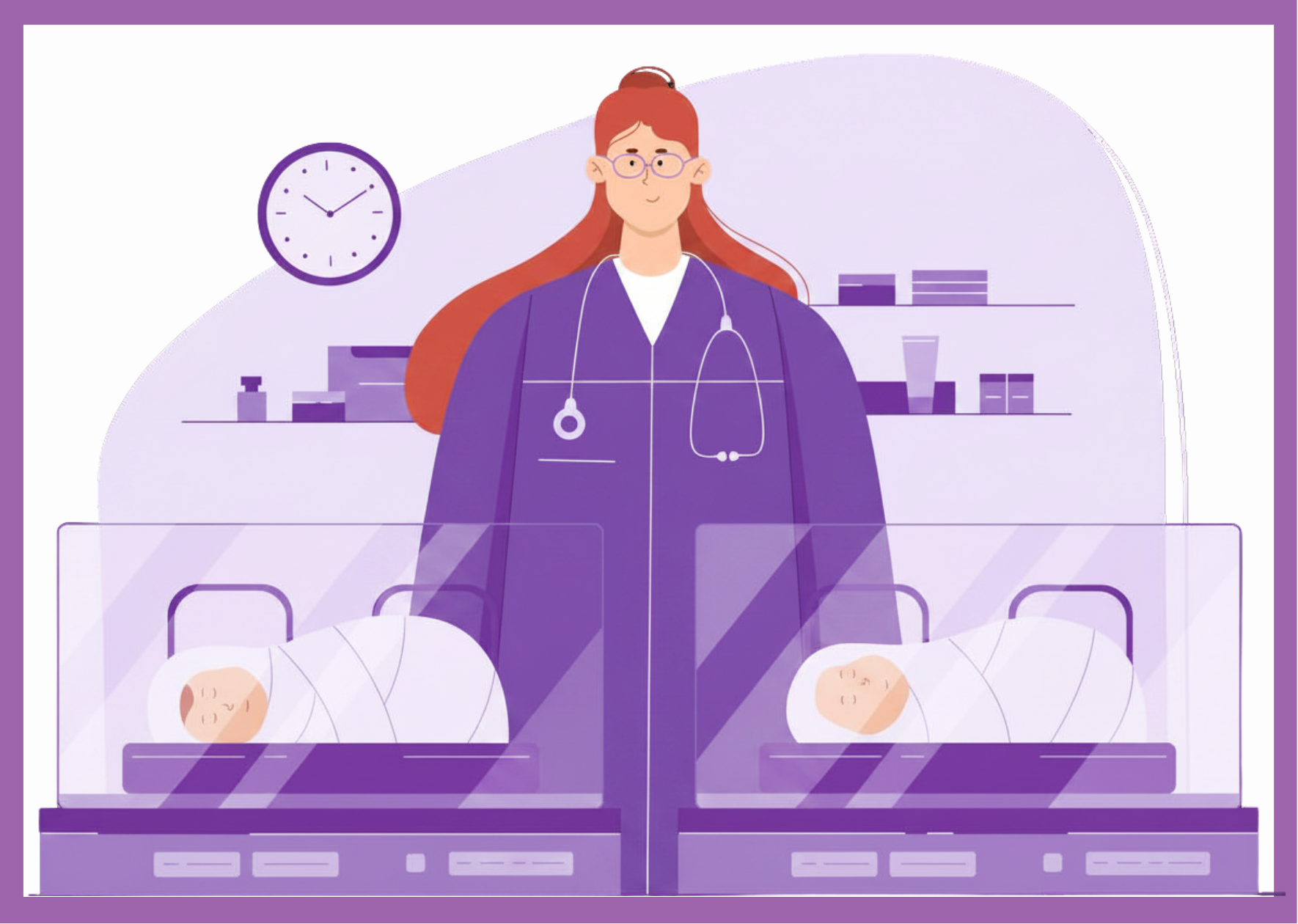
In the days and weeks following a premature birth, babies may experience a range of complications, including:
- Breathing difficulties: Premature babies often have underdeveloped lungs, which can lead to respiratory distress syndrome (RDS). Many premature babies require breathing support, ranging from supplemental oxygen to mechanical ventilation, while their lungs mature.
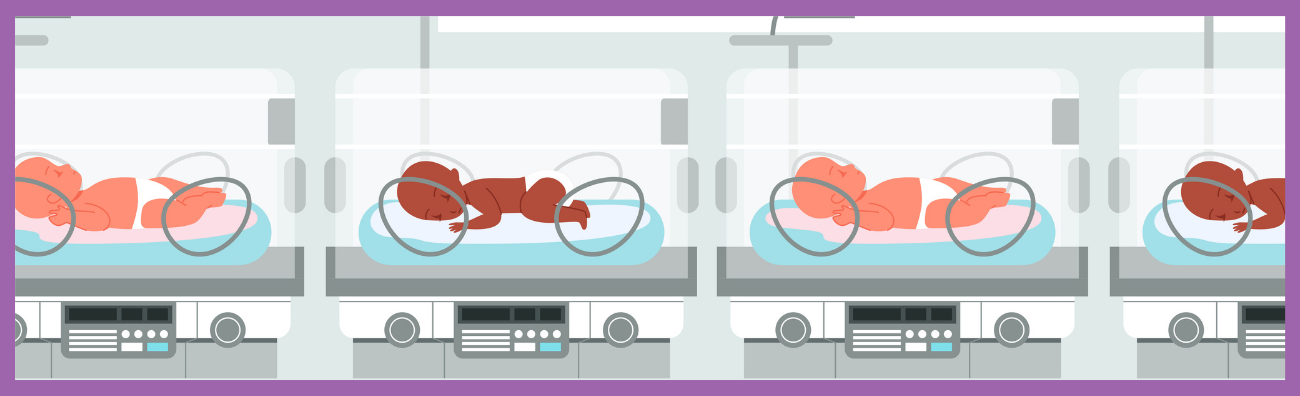
- Temperature regulation: Premature babies have less body fat and are less able to regulate their own temperature. Incubators and radiant warmers are used to maintain a stable body temperature.
- Feeding challenges: Coordinating sucking, swallowing and breathing is a skill that develops in the later weeks of pregnancy. Many premature babies need to be fed through a tube until they are developmentally ready to feed orally.
- Infections: Premature babies have immature immune systems, making them more vulnerable to infections. Strict hygiene practices and careful monitoring in the NICU help reduce this risk.
- Jaundice: Jaundice is common in premature babies and occurs when the liver is not yet mature enough to process bilirubin effectively. Phototherapy is the standard treatment.
- Necrotising enterocolitis (NEC): NEC is a serious intestinal condition that can affect premature babies. It involves inflammation and, in severe cases, damage to the bowel wall. Early detection and treatment are critical.
Long-Term Health and Developmental Risks
While many premature babies develop typically, some may face longer-term challenges, particularly those born very early. These can include:
- Chronic lung disease: Some extremely premature babies develop ongoing respiratory issues.
- Vision and hearing problems: Retinopathy of prematurity (ROP) and hearing impairment are more common in very preterm babies.
- Neurological and developmental delays: A correlation exists between preterm birth and learning difficulties, behavioural challenges and neurological conditions, including cerebral palsy.
- Growth concerns: Some premature babies take longer to reach growth milestones.
Early intervention services such as physiotherapy, occupational therapy and speech therapy can significantly improve developmental outcomes for premature babies who need additional support.
The Emotional Impact on Families
The risks of preterm birth extend beyond physical health. Parents of premature babies often experience a wide range of emotions, including a mix of joy, fear and uncertainty, alongside anxiety about their baby’s health and future. Many also report feelings of guilt, even when the premature birth was unavoidable, as well as exhaustion from the demands of the NICU journey and grief for the birth experience they had expected. These feelings are entirely normal. Parents are encouraged to seek support from the neonatal team, social workers, psychologists and peer support networks, as parental wellbeing is an important part of the overall care of a premature baby.
Follow-Up Care and Early Intervention
After leaving the NICU, many premature babies benefit from ongoing follow-up care. This may include regular check-ups with a paediatrician, developmental assessments and referrals to early intervention services such as physiotherapy, occupational therapy and speech therapy.
Research consistently shows that early intervention can improve the neurodevelopmental outcomes of preterm infants and support families in navigating the post-NICU journey.
Understanding the risks associated with preterm birth helps families prepare, ask informed questions and access the right support. While prematurity can be challenging, advances in neonatal care, alongside the vital work of organisations such as Running for Premature Babies, continue to improve survival rates and outcomes.
Get Involved
Run with us
Donate
Join the Premmie Marathon Challenge
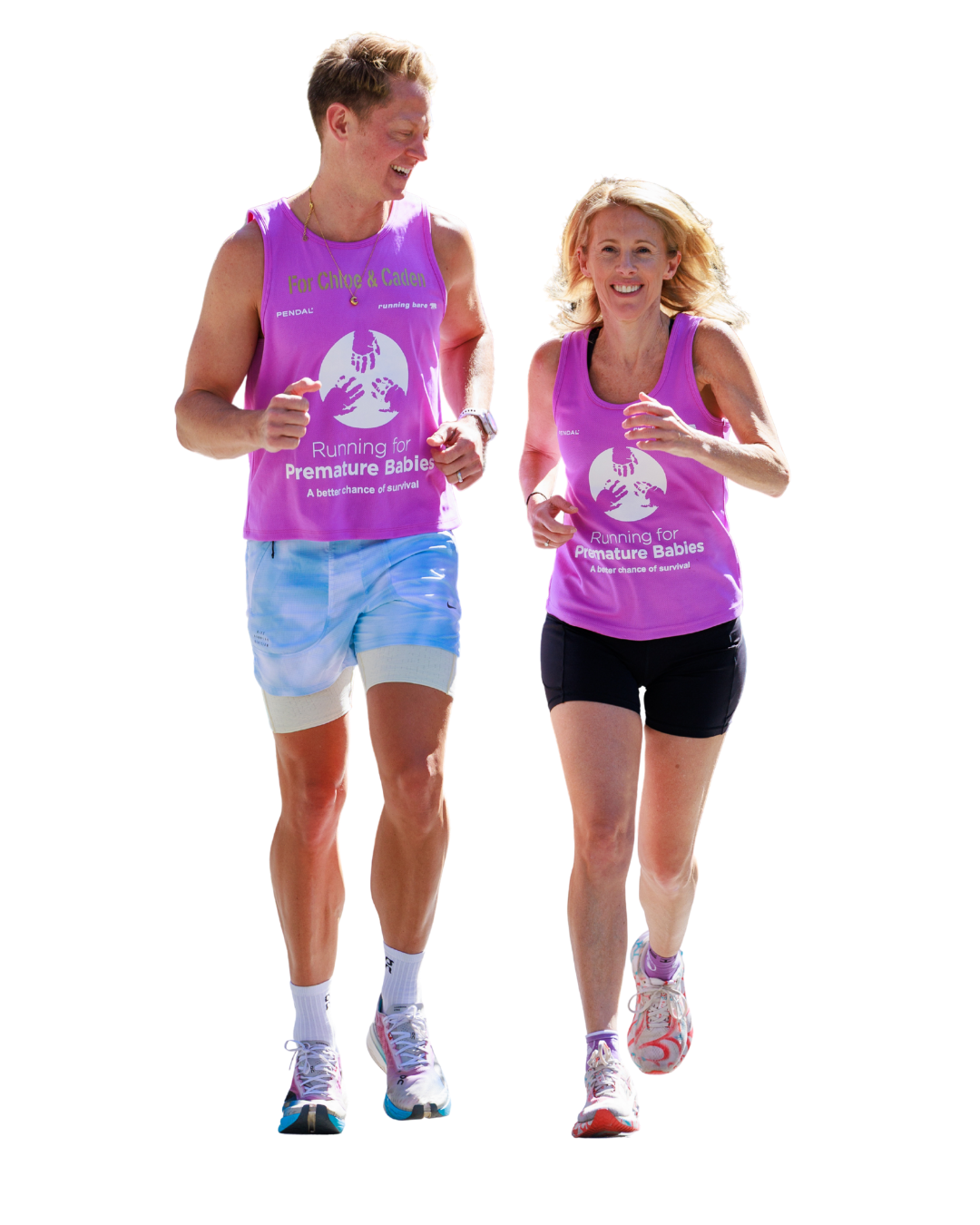
How Running for Premature Babies Helps Support NICUs, SCNs and Maternity Units
Running for Premature Babies plays a crucial role in supporting NICUs, SCNs and maternity units across Australia by providing vital equipment that gives sick and premature babies a better chance of survival.
As one of the country’s most impactful charitable foundations in neonatal care, the organisation has raised more than $12 million since 2007, enabling the donation of over 172 pieces of critical neonatal equipment, including humidicribs, monitors, ventilators and resuscitation cots, to hospitals nationwide. This equipment directly supports NICUs and SCNs in caring for extremely vulnerable newborns, helping to improve survival rates and long-term outcomes.
Running for Premature Babies also funds cutting-edge neonatal and perinatal research, helping to advance the care of premature infants and improve future treatment options.
Beyond funding, the charity raises awareness of prematurity and the immense demands on NICUs, highlighting the reality that 1 in 10 babies in Australia is born prematurely, with many requiring intensive care that can cost thousands of dollars per day. The charity celebrates all prematurely born children, both living and lost, with many supporters having lived experience of prematurity.
Through community running events and nationwide fundraising efforts, Running for Premature Babies empowers everyday Australians to make a tangible difference, helping hospitals provide the specialised care needed to give premature babies their best possible start in life.
You can read more about our impact here.
By giving today, you can help fund urgently needed neonatal equipment that supports hospitals and saves the lives of sick and premature babies. Give today and help fund urgently needed neonatal equipment that will save the lives of sick and premature babies.
References