Understanding Prematurity in First Nations Australians
In Australia, Aboriginal and Torres Strait Islander women experience significantly higher rates of preterm birth compared with non-Indigenous women. Approximately 16% of babies born to First Nations mothers are born prematurely, compared with around 8% of babies born to non-Indigenous mothers.
This disparity is not a reflection of individual choices but is shaped by the broader social, economic and historical factors that continue to affect the health and wellbeing of First Nations communities across Australia.
Understanding the Contributing Factors
The higher rate of premature birth among First Nations Australians is linked to a range of interconnected factors, often referred to as the social determinants of health. These include:
- Access to healthcare: Many First Nations communities, particularly those in rural and remote areas, face barriers to accessing timely and consistent antenatal care.
- Housing and living conditions: Overcrowding, inadequate housing and limited infrastructure can affect maternal health during pregnancy.
- Nutrition and food security: Access to affordable, nutritious food is a challenge in some communities, particularly in remote areas.
- Education and employment: Socioeconomic disadvantage is associated with poorer health outcomes, including higher rates of preterm birth.
- Chronic health conditions: Higher rates of diabetes, hypertension and kidney disease among First Nations people can increase the risk of pregnancy complications.
- Historical and ongoing impacts of colonisation: Intergenerational trauma, systemic racism and the legacy of policies such as the Stolen Generations continue to affect health outcomes.
- Stress and psychosocial factors: Experiences of racism, discrimination and cultural disconnection can contribute to chronic stress, which is a known risk factor for preterm birth.
The Importance of Culturally Safe Care
Culturally safe healthcare is essential for improving outcomes for First Nations families. This means providing care that respects and responds to the cultural, spiritual and social needs of Aboriginal and Torres Strait Islander people.
Culturally safe maternity care involves:
- Acknowledging and respecting cultural practices around pregnancy and birth
- Providing care that is free from racism and discrimination
- Employing Aboriginal and Torres Strait Islander health workers and liaison officers
- Delivering services in community settings where possible, rather than requiring families to travel long distances
- Supporting connection to Country, family and community during pregnancy and after birth
Studies have shown that removing barriers to healthcare and increasing access to appropriate, high-quality care on Country from pregnancy and beyond is essential for improving lifelong health outcomes.
Programs Making a Difference
Several programs across Australia are working to address the disparity in preterm birth rates among First Nations women. These initiatives demonstrate the positive impact of culturally responsive care.
The Birthing in Our Community program , based at Mater Mothers’ Hospital in Brisbane, Queensland, was developed in partnership with Aboriginal and Torres Strait Islander women. It provides culturally safe maternity care that addresses the specific needs of First Nations families. Since the program began in 2013, it has almost halved the risk of preterm birth for Indigenous mothers participating in the program.
Across Australia, Aboriginal Maternal and Infant Health Services provide community-based antenatal and postnatal care for First Nations women. These services integrate clinical care with cultural support, health education and connections to broader social services.
Addressing the Gap
Closing the gap in preterm birth rates requires a commitment to addressing the underlying social determinants of health, investing in culturally safe healthcare services and supporting First Nations-led solutions.
Key priorities include:
- Increasing access to early and consistent antenatal care for First Nations women
- Expanding culturally safe maternity programs in both urban and remote settings
- Supporting First Nations health workforce development
- Addressing broader social determinants such as housing, nutrition and education
- Investing in research led by and for First Nations communities
Supporting First Nations Families Affected by Prematurity
For First Nations families whose baby is born prematurely, culturally appropriate support is essential. This includes ensuring families can access neonatal care close to home where possible, supporting connection to family and community during the hospital stay and providing culturally safe follow-up care after discharge.
Running for Premature Babies supports hospitals across Australia with life-saving neonatal equipment, including regional and rural hospitals that serve First Nations communities. By giving today, you can help fund urgently needed neonatal equipment that supports hospitals and saves the lives of sick and premature babies.
Get Involved
Run with us
Donate
Join the Premmie Marathon Challenge
How Running for Premature Babies Helps Support NICUs, SCNs and Maternity Units
Running for Premature Babies plays a crucial role in supporting NICUs, SCNs and maternity units across Australia by providing vital equipment that gives sick and premature babies a better chance of survival.
As one of the country’s most impactful charitable foundations in neonatal care, the organisation has raised more than $12 million since 2007, enabling the donation of over 172 pieces of critical neonatal equipment, including humidicribs, monitors, ventilators and resuscitation cots, to hospitals nationwide. This equipment directly supports NICUs and SCNs in caring for extremely vulnerable newborns, helping to improve survival rates and long-term outcomes.
Running for Premature Babies also funds cutting-edge neonatal and perinatal research, helping to advance the care of premature infants and improve future treatment options.
Beyond funding, the charity raises awareness of prematurity and the immense demands on NICUs, highlighting the reality that 1 in 10 babies in Australia is born prematurely, with many requiring intensive care that can cost thousands of dollars per day. The charity celebrates all prematurely born children, both living and lost, with many supporters having lived experience of prematurity.
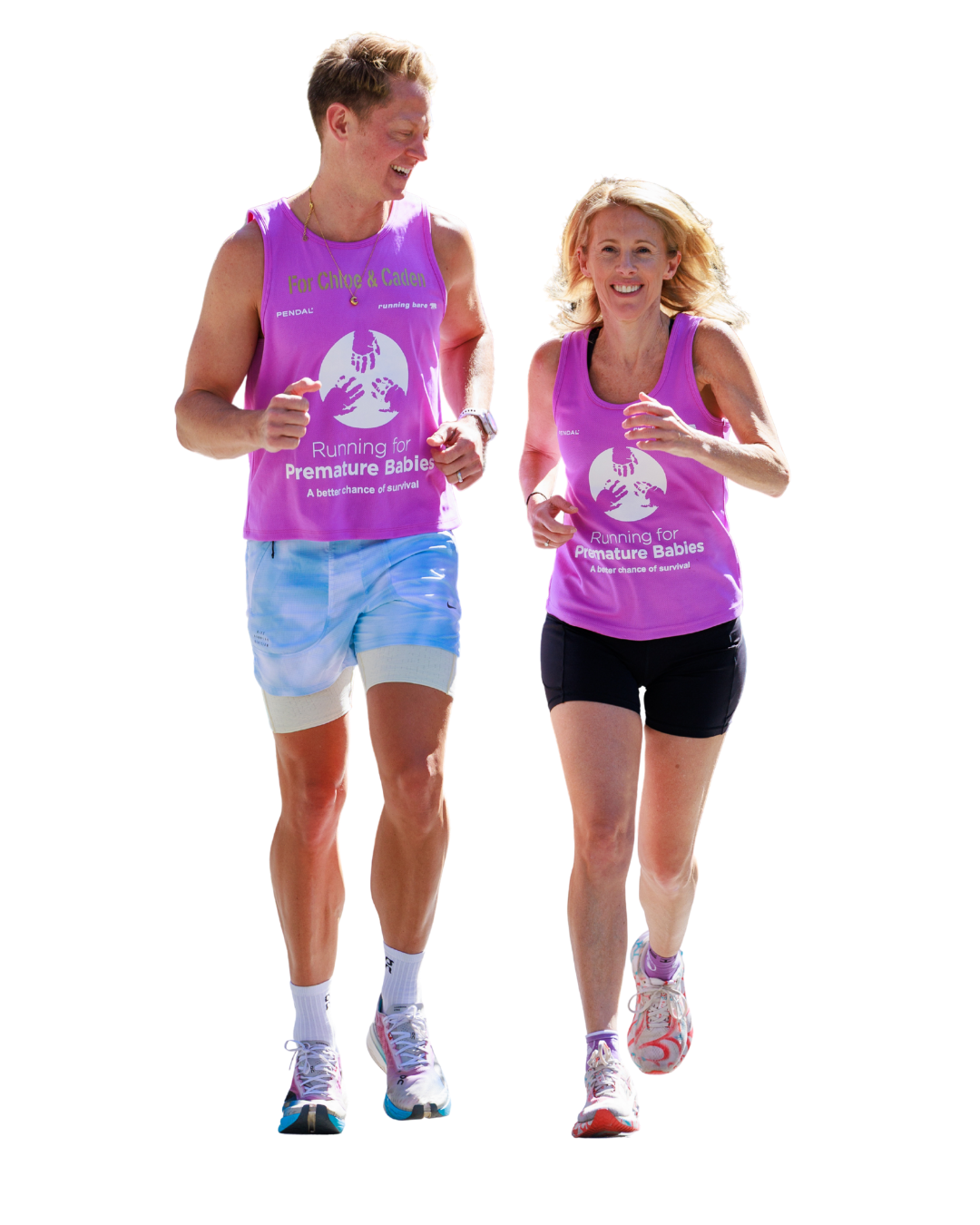
Through community running events and nationwide fundraising efforts, Running for Premature Babies empowers everyday Australians to make a tangible difference, helping hospitals provide the specialised care needed to give premature babies their best possible start in life.
You can read more about our impact here.
By giving today, you can help fund urgently needed neonatal equipment that supports hospitals and saves the lives of sick and premature babies. Give today and help fund urgently needed neonatal equipment that will save the lives of sick and premature babies.
References