What Can Reduce the Chance of Preterm Birth?
Chance of Preterm Birth?
While not every premature birth can be prevented, research has identified a number of evidence-based strategies that can reduce the risk. Understanding these strategies empowers expectant parents and healthcare providers to take proactive steps towards a healthier pregnancy.
Prevention begins with awareness. Knowing the risk factors for preterm birth can help determine whether additional monitoring or special care may be needed and allows healthcare practitioners to take appropriate precautions to support the best possible outcomes for mothers and babies.
Regular Antenatal Care
Attending regular antenatal appointments is one of the most important steps in reducing the risk of premature birth. Routine check-ups allow healthcare providers to:
- Monitor the growth and development of the baby
- Check blood pressure, blood sugar levels and other vital signs
- Screen for infections that may trigger preterm labour
- Identify and manage conditions such as pre-eclampsia or gestational diabetes early
Early and consistent antenatal care provides the best opportunity for early detection and intervention.

Cervical Length Screening and Progesterone Treatment
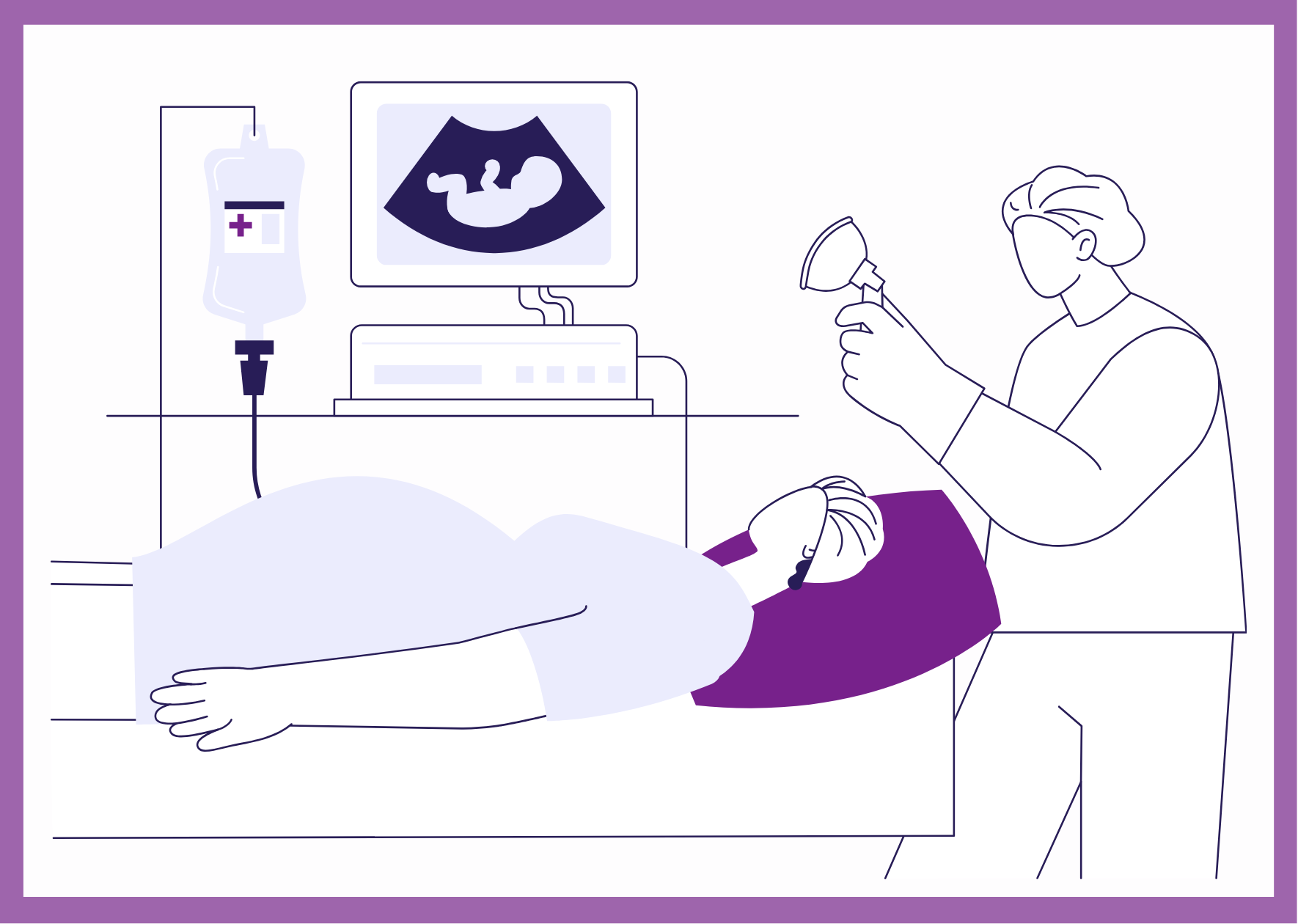
Cervical length measurement during the mid-pregnancy ultrasound is a useful screening tool for preterm birth risk. A shortened cervix is associated with an increased likelihood of early delivery.
For women identified with a short cervix, treatment with progesterone, either as a vaginal pessary or injection, has been shown to significantly reduce the incidence of preterm birth. This intervention is well supported by research and is an important preventive option for those at higher risk.
Quitting Smoking and Avoiding Harmful Substances
Smoking during pregnancy is a well-established risk factor for premature birth. Quitting tobacco smoking and avoiding exposure to passive smoke can meaningfully reduce the risk.
Similarly, avoiding alcohol and recreational drugs during pregnancy is strongly recommended. These substances can affect fetal development and increase the likelihood of preterm labour.
If you need support to quit smoking or reduce substance use, your healthcare provider can connect you with appropriate services and resources.
Maintaining a Healthy Diet and Weight
Good nutrition plays an important role in supporting a healthy pregnancy. A balanced diet rich in fruits, vegetables, whole grains, lean proteins and essential nutrients helps support fetal growth and reduces the risk of complications.
Both being underweight and overweight before or during pregnancy are associated with an increased risk of preterm birth. Maintaining a healthy weight and gaining an appropriate amount during pregnancy, as guided by your healthcare provider, can support better outcomes.
Midwife-Led Continuity of Care
Research indicates that women who receive midwife-led models of care, particularly continuity of carer, where the same midwife provides care throughout pregnancy, birth and the postnatal period, experience better outcomes.
Studies show that women receiving midwife-led continuity of care are less likely to experience antenatal hospitalisation, loss of the baby or early spontaneous birth. This model of care also tends to result in higher satisfaction and a stronger sense of support.
Managing Stress and Seeking Support
Chronic stress during pregnancy can contribute to hormonal changes that increase the risk of preterm labour. Finding ways to manage stress, whether through support from partners, family and friends, relaxation techniques or professional counselling, can have a positive impact on pregnancy outcomes.
If you are experiencing stress, anxiety or difficult circumstances during pregnancy, speaking with your healthcare team about available support services is an important step. Emotional wellbeing is closely linked to physical health during pregnancy.
Treating Infections Promptly
Certain infections during pregnancy, such as urinary tract infections and bacterial vaginosis, can trigger preterm labour if left untreated. Reporting symptoms to your healthcare provider promptly and completing prescribed treatments can help reduce this risk.
Spacing Pregnancies
Short intervals between pregnancies, particularly becoming pregnant within six months of a previous birth, have been associated with a higher risk of preterm birth. Allowing adequate time between pregnancies gives the body time to recover and replenish nutritional stores.
When to Seek Advice
If you are pregnant or planning a pregnancy and have concerns about your risk of premature birth, your healthcare provider can help you understand your individual risk profile and develop an appropriate care plan.
If you are currently pregnant and experiencing any signs of preterm labour, such as regular contractions, pelvic pressure, lower back pain or changes in vaginal discharge before 37 weeks, seek medical attention immediately.
Get Involved
Run with us
Donate
Join the Premmie Marathon Challenge

How Running for Premature Babies Helps Support NICUs, SCNs and Maternity Units
Running for Premature Babies plays a crucial role in supporting NICUs, SCNs and maternity units across Australia by providing vital equipment that gives sick and premature babies a better chance of survival.
As one of the country’s most impactful charitable foundations in neonatal care, the organisation has raised more than $12 million since 2007, enabling the donation of over 172 pieces of critical neonatal equipment, including humidicribs, monitors, ventilators and resuscitation cots, to hospitals nationwide. This equipment directly supports NICUs and SCNs in caring for extremely vulnerable newborns, helping to improve survival rates and long-term outcomes.
Running for Premature Babies also funds cutting-edge neonatal and perinatal research, helping to advance the care of premature infants and improve future treatment options.
Beyond funding, the charity raises awareness of prematurity and the immense demands on NICUs, highlighting the reality that 1 in 10 babies in Australia is born prematurely, with many requiring intensive care that can cost thousands of dollars per day. The charity celebrates all prematurely born children, both living and lost, with many supporters having lived experience of prematurity.
Through community running events and nationwide fundraising efforts, Running for Premature Babies empowers everyday Australians to make a tangible difference, helping hospitals provide the specialised care needed to give premature babies their best possible start in life.
You can read more about our impact here.
By giving today, you can help fund urgently needed neonatal equipment that supports hospitals and saves the lives of sick and premature babies. Give today and help fund urgently needed neonatal equipment that will save the lives of sick and premature babies.
References