
What is Kangaroo Care?
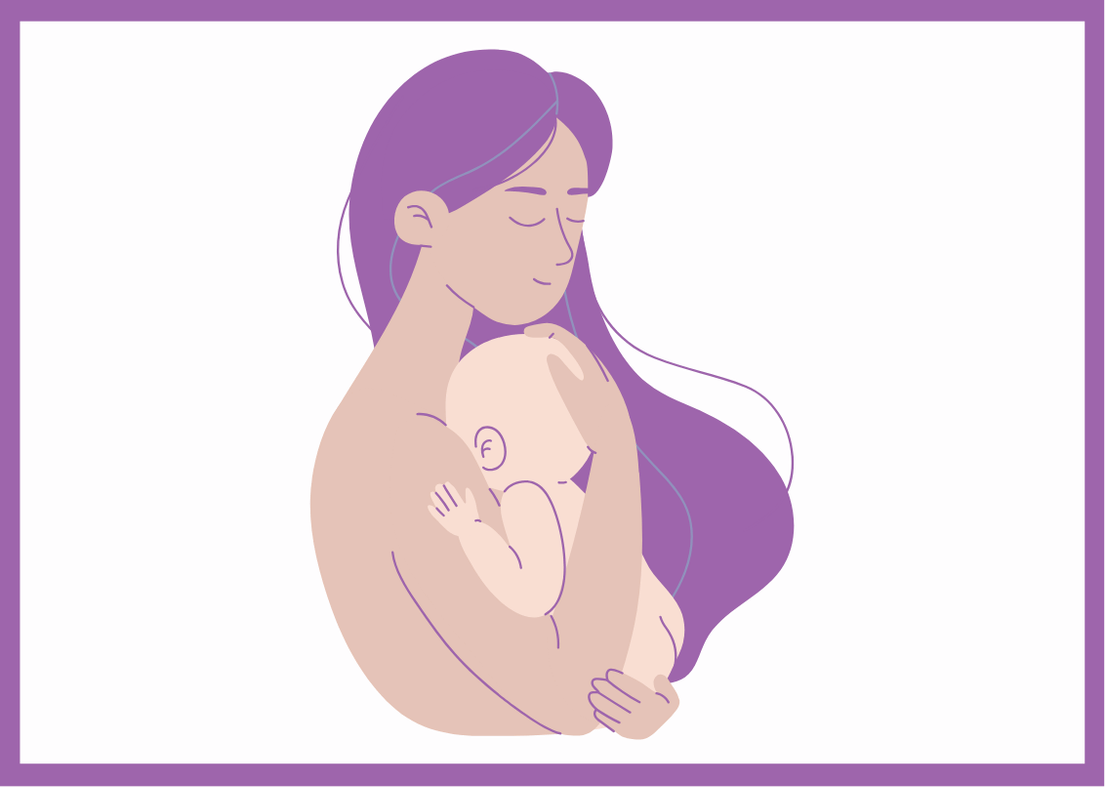
Kangaroo care is sometimes referred to as skin-to-skin care. You may also hear healthcare professionals use the term kangaroo mother care (KMC), which is the formal clinical term used in research and global health guidelines.
While the language may vary, the principle is the same: placing a baby upright against a caregiver’s bare chest so they can benefit from warmth, comfort, and close physical connection.
Why Kangaroo Care Is Important for Premature Babies
Premature babies are born before many of their vital systems are fully developed. This includes their ability to regulate body temperature, breathing, heart rate, and stress responses.
Kangaroo care supports these developing systems in ways that technology alone cannot. Close contact with a caregiver helps recreate some of the warmth, rhythmic breathing, and gentle movement experienced in the womb. For many premature babies, this form of care supports stability during a critical period of early development.
Research consistently shows that premature babies who receive regular kangaroo care may experience fewer complications and often progress more steadily during their hospital stay.

Kangaroo Care and the Developing Nervous System
One of the lesser-known benefits of kangaroo care is its impact on a baby’s developing nervous system.
Premature babies are often exposed to bright lights, noise, and frequent handling in neonatal units. While these interventions are necessary, they can also be stressful. Skin-to-skin contact has been shown to reduce stress responses and promote calmer neurological states.
By lowering stress hormones and encouraging regulation, kangaroo care may support healthier brain development during a time when the nervous system is highly sensitive to environmental input.
How Kangaroo Care Supports Feeding and Digestion
Feeding can be one of the biggest challenges for premature babies. Kangaroo care has been linked to improvements in feeding outcomes, including:
- Earlier initiation of breastfeeding
- Improved milk supply for mothers
- Better coordination of sucking, swallowing, and breathing
- More settled digestion and fewer feeding interruptions
For families navigating feeding challenges in the NICU, kangaroo care can play a supportive role alongside medical and lactation guidance.
The Role of Kangaroo Care in Parent Confidence and Mental Health
Having a baby in neonatal care can leave parents feeling helpless or disconnected from their role as caregivers. Kangaroo care can help restore a sense of involvement and purpose.
Parents who practise kangaroo care often report:
- Greater confidence in handling their baby
- Reduced anxiety and stress
- Stronger emotional bonding
- Feeling more prepared to care for their baby after discharge
This emotional benefit is not secondary. Parental wellbeing is closely linked to infant outcomes, particularly during the early months after birth.
Kangaroo Care for Fathers and Non-Birth Parents
Although kangaroo care is often associated with mothers, it can be equally valuable when provided by fathers or non-birth parents.
Skin-to-skin contact allows other caregivers to build a strong bond with the baby, help regulate the baby’s vital signs, and actively participate in care. This can be especially important when the mother is recovering from birth or needs rest.
Inclusive discussion about who can provide kangaroo care reflects modern family-centred neonatal care and helps more families feel supported.
Kangaroo Care With Medical Equipment in Place
Many parents worry that kangaroo care may not be possible if their baby is connected to monitors, oxygen, or feeding tubes.
In many cases, kangaroo care can still be safely provided with the support of neonatal staff. Nurses and doctors can assist with positioning and monitoring to help ensure the baby remains stable throughout the session.
Parents are encouraged to speak with their care team about when and how kangaroo care can be introduced safely for their baby’s specific situation.
How Kangaroo Care Fits Into Modern Neonatal Care
Today, kangaroo care is recognised as a key component of family-centred neonatal care models used in hospitals around the world.
Rather than viewing parents as visitors, modern neonatal units increasingly recognise them as essential partners in care. Kangaroo care supports this approach by enabling parents to contribute directly to their baby’s wellbeing in meaningful ways.
This shift reflects growing evidence that outcomes may improve when families are actively involved, supported, and empowered.
Kangaroo Care After Leaving Hospital
Kangaroo care does not need to stop once a baby leaves the NICU. Continuing skin-to-skin contact at home can help with:
- Settling and sleep
- Feeding and milk supply
- Ongoing bonding
- Supporting emotional regulation for both the baby and parent
As babies grow, kangaroo care naturally transitions into other forms of close physical contact.
When to Seek Advice
If you are unsure whether kangaroo care is appropriate for your baby, or if you have concerns about how to provide it safely, your neonatal team, midwife, or child health nurse can provide guidance tailored to your situation.
Every baby’s journey is different, and care should always be individualised.
Why Kangaroo Care Matters Beyond the NICU
For families of premature babies, kangaroo care is often one of the first ways parents feel connected, useful, and close to their baby during an uncertain time.
By supporting physical stability, emotional connection, and parental confidence, kangaroo care can play a meaningful role in both immediate care and longer-term family wellbeing.
Kangaroo care shows how simple, evidence-based support can make a real difference for premature babies. Alongside this care, access to appropriate neonatal equipment is also vital.
See FAQs Below
Get Involved
Run with us
Donate
Join the Premmie Marathon Challenge
FAQs
What is the difference between a humidicrib and an incubator?
While both provide a warm, protected environment, a humidicrib specifically controls humidity in addition to temperature. In Australia, the term "humidicrib" traditionally refers to incubators designed for premature babies to reduce fluid loss and support skin and temperature regulation, especially in the first weeks of life.
What if I feel nervous or unsure?
Feeling anxious is common. Hospital staff can assist with positioning and provide reassurance until you feel more confident.
Can kangaroo care be provided for short periods?
Yes. While longer sessions may offer greater benefits, even short, regular periods of skin-to-skin contact can be valuable.

How Running for Premature Babies Helps Support NICUs, SCNs and Maternity Units
Running for Premature Babies plays a crucial role in supporting NICUs, SCNs and maternity units across Australia by providing vital equipment that gives sick and premature babies a better chance of survival.
As one of the country’s most impactful charitable foundations in neonatal care, the organisation has raised more than $12 million since 2007, enabling the donation of over 172 pieces of critical neonatal equipment, including humidicribs, monitors, ventilators and resuscitation cots, to hospitals nationwide. This equipment directly supports NICUs and SCNs in caring for extremely vulnerable newborns, helping to improve survival rates and long-term outcomes.
Running for Premature Babies also funds cutting-edge neonatal and perinatal research, helping to advance the care of premature infants and improve future treatment options.
Beyond funding, the charity raises awareness of prematurity and the immense demands on NICUs, highlighting the reality that 1 in 10 babies in Australia is born prematurely, with many requiring intensive care that can cost thousands of dollars per day. The charity celebrates all prematurely born children, both living and lost, with many supporters having lived experience of prematurity.
Through community running events and nationwide fundraising efforts, Running for Premature Babies empowers everyday Australians to make a tangible difference, helping hospitals provide the specialised care needed to give premature babies their best possible start in life.
You can read more about our impact here.
By giving today, you can help fund urgently needed neonatal equipment that supports hospitals and saves the lives of sick and premature babies. Give today and help fund urgently needed neonatal equipment that will save the lives of sick and premature babies.
References