

What Is the NICU?
A Parent’s Guide
Some babies need specialised care after birth because the transition from the womb to the outside world can be more challenging for infants who are born early, overdue, or have health concerns.
A Neonatal Intensive Care Unit (NICU) provides specialist care designed to stabilise breathing, maintain temperature, support feeding, and monitor vital signs to ensure babies stay safe while they adjust to life outside the womb.
For many parents, hearing that their baby needs NICU care can be frightening and unexpected. Understanding what the NICU is, why babies are admitted, and what daily life in the unit looks like can help reduce anxiety and empower families during what can be an overwhelming time.
What is the NICU?
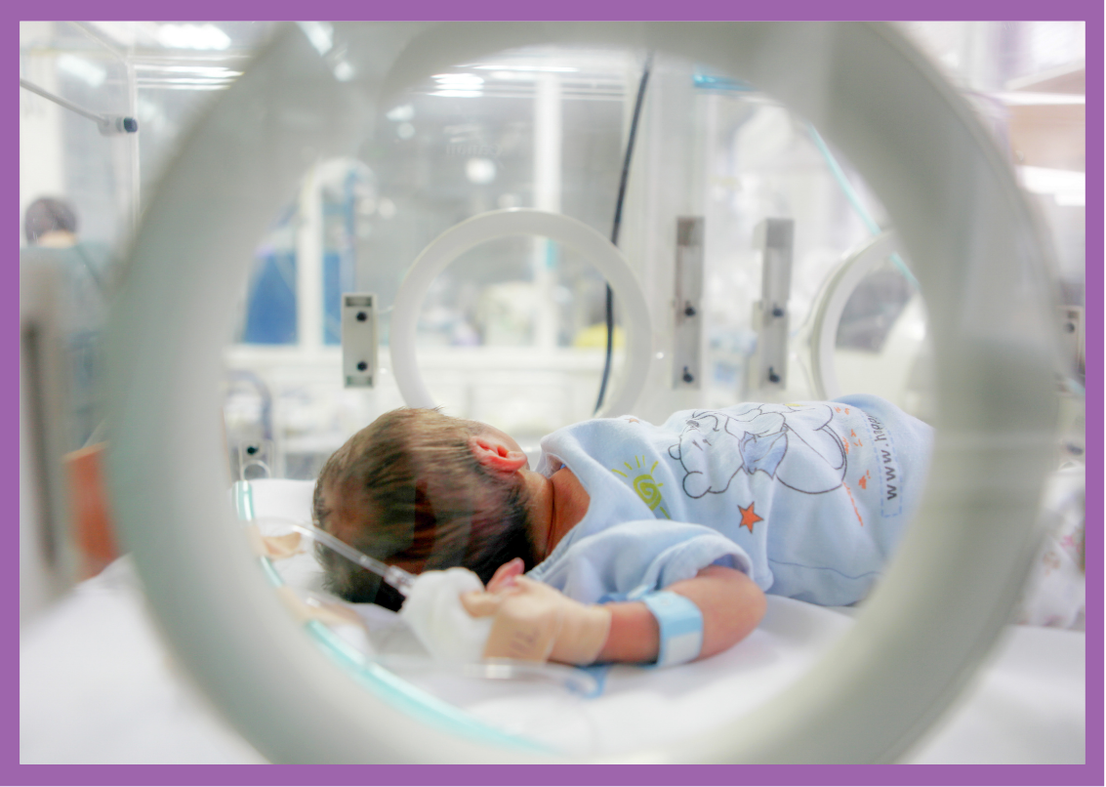
The NICU is a specialised hospital unit designed to care for newborns who need extra medical support due to prematurity, illness, low birth weight, or complications at birth. Its purpose is to provide advanced, round-the-clock monitoring, life support, and specialist treatment that cannot be delivered on a standard postnatal ward. In Australia, neonatal services are organised into levels of care.
- Level 2 Special Care Nurseries (SCNs): Support babies who are moderately unwell, moderately preterm, or require assistance with feeding, temperature regulation, or mild breathing issues. They also act as step-down units for babies who are improving after intensive treatment
- Level 3 NICUs: Found in major tertiary hospitals, these units provide the highest level of neonatal care, including continuous life support, management of extremely preterm or critically ill babies, and access to specialised medical and surgical teams
Both levels ensure that babies receive care appropriate to their medical needs, with the capacity to transfer infants to higher-level services when more complex treatment is required.
Reasons a baby might go to the NICU
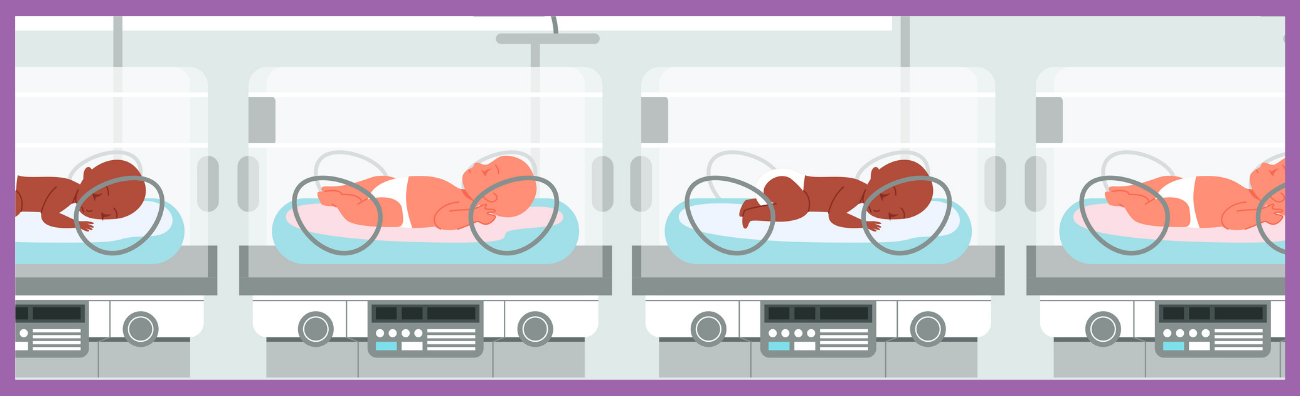
Babies may be admitted to the NICU when they need more specialised medical care than can be provided in the postnatal ward.
According to the Australian Institute of Health and Welfare (AIHW), around 18% of all babies in Australia are admitted to either a NICU or an SCN each year. This equates to nearly 1 in 5 newborns nationally who need more medical support than can be provided on a standard postnatal ward.
AIHW data shows several key medical reasons why babies require NICU or SCN care:
- Preterm birth: The strongest predictor, with 78% of preterm babies needing specialised support due to immature lungs, feeding difficulties, and temperature instability
- Low birth weight: 76% of babies with a low birth weight require NICU or SCN admission because they need help maintaining body temperature, feeding, and oxygenation
- Multiple births: 62% of twins are admitted due to complications that are more common in multiple pregnancies, such as prematurity and breathing problems
- Medical complications at birth: These may include breathing difficulties, infection risk, jaundice, low blood sugar, or congenital conditions
- Maternal health factors: Diabetes, hypertension, smoking, or complications during labour can increase the likelihood that a baby will require extra monitoring and treatment
While these statistics can feel confronting, it’s important for parents to know that NICU admission is often precautionary. Many babies are admitted for monitoring or short-term support and go on to recover fully with no long-term complications.
Equipment and care team
In the NICU, families can expect to see incubators or humidicribs that help babies maintain their temperature, as well as machines that track vital signs such as heart rate, breathing, and oxygen levels. Depending on a baby’s needs, there may also be equipment for treating jaundice or providing breathing support.
Care in the NICU is delivered by a multidisciplinary team:
- Neonatologists: Doctors who specialise in caring for premature and unwell newborns.
- Neonatal nurses and midwives: Provide specialist care, monitoring, and support for babies and their families.
- Allied health professionals: Physiotherapists, speech pathologists, lactation consultants, and occupational therapists who support feeding, development, and family education.
This coordinated team provides continuous monitoring and treatment, ensuring babies receive the safest and highest level of care while parents are supported in understanding and participating in their baby’s progress.
Your role as a parent
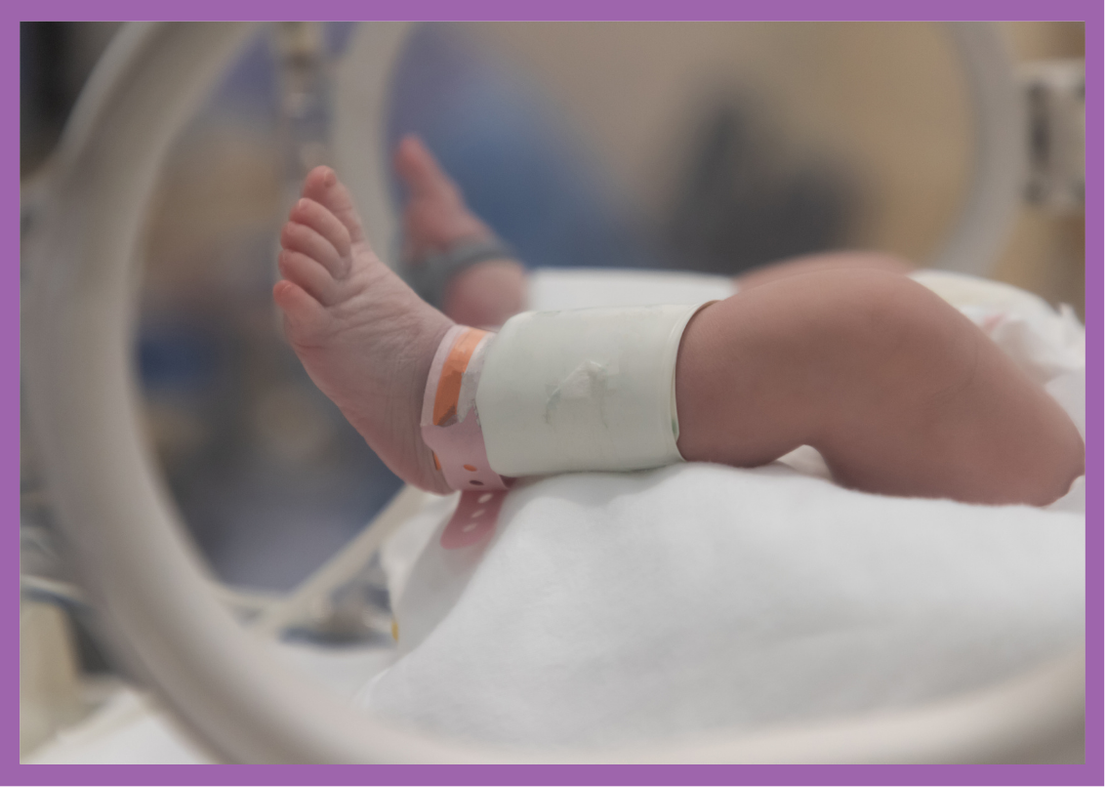
As a parent in the NICU, you play an essential role in your baby’s care, and neonatal services encourage you to be as involved as possible. Parents are welcomed to visit frequently and participate in bonding activities such as gentle touch, talking to their baby, and helping with routine care, all of which support emotional connection and development.
Kangaroo care, or skin-to-skin contact, is widely encouraged in Australian hospitals because it helps stabilise your baby’s breathing, heart rate, temperature, and oxygen levels, while also strengthening bonding and supporting early brain development and breastfeeding success.
If you are able, expressing breastmilk is another important way you can support your baby, especially if they are premature or unable to feed directly. NICU staff, including nurses and lactation consultants, provide guidance on expressing, storing, and using breastmilk to ensure your baby receives optimal nutrition during their hospital stay.
Emotional and practical support
Coping with the stress and uncertainty of having a premature or unwell baby in the NICU can be overwhelming, and parents are encouraged to seek emotional and practical support early. Australian organisations such as PANDA, Perinatal Anxiety & Depression Australia, provide free counselling, mental health check-ins, and specialist support for parents experiencing anxiety, depression, or distress during the perinatal period.
Hospitals also offer access to social workers who help families navigate practical needs such as financial pressures, accommodation, transport, and links to local services. They can also provide emotional support during long or complex hospital stays.
Leaving the NICU
Leaving the NICU is a major milestone. Babies are generally ready for discharge once their acute medical issues have resolved, they can maintain their temperature, breathe without significant support, take all feeds by breast or bottle, gain weight, and are medically stable.
Parents must also feel confident in providing care, with education on safe sleeping and any required home supports completed beforehand.
The transition home is carefully planned by the NICU’s multidisciplinary team, who coordinate discharge summaries, community referrals, and follow-up appointments to ensure families feel supported and prepared for daily care at home.
After discharge, babies, especially those born preterm, require structured follow-up care, which may include medical reviews, developmental assessments, hearing and vision checks, and referrals to early-intervention services.
National recommendations highlight that early, coordinated, and ongoing follow-up is essential to identify health or developmental concerns early and ensure children receive timely support that promotes their long-term wellbeing.
See FAQs Below
Get Involved
Run with us
Donate
Join the Premmie Marathon Challenge
FAQs
How long will my baby stay in the NICU?
A baby’s NICU stay varies depending on gestational age, medical condition, and progress. Many premature babies stay until around their original due date, while others may go home earlier or need longer care. NICU discharge is based on milestones such as stable breathing, feeding well, maintaining body temperature, and consistent weight gain, not a fixed timeframe.
Can I touch or hold my baby in the NICU?
Yes. Most NICUs encourage parents to touch and hold their baby when it’s safe. Skin‑to‑skin contact (kangaroo care) is widely supported because it stabilises breathing, heart rate, and temperature while strengthening bonding. NICU staff guide parents on safe ways to interact based on their baby’s condition.
How can I prepare for discharge from the NICU?
Preparing for discharge involves learning feeding, settling, medication administration if needed, and recognising signs of illness. NICU teams provide education, written care plans, follow‑up appointments, and referrals to community services to ensure families feel confident and supported when transitioning home.

How Running for Premature Babies Helps Support NICUs, SCNs and Maternity Units
Running for Premature Babies plays a crucial role in supporting NICUs, SCNs and maternity units across Australia by providing vital equipment that gives sick and premature babies a better chance of survival.
As one of the country’s most impactful charitable foundations in neonatal care, the organisation has raised more than $12 million since 2007, enabling the donation of over 172 pieces of critical neonatal equipment, including humidicribs, monitors, ventilators and resuscitation cots, to hospitals nationwide. This equipment directly supports NICUs and SCNs in caring for extremely vulnerable newborns, helping to improve survival rates and long-term outcomes.
Running for Premature Babies also funds cutting-edge neonatal and perinatal research, helping to advance the care of premature infants and improve future treatment options.
Beyond funding, the charity raises awareness of prematurity and the immense demands on NICUs, highlighting the reality that 1 in 10 babies in Australia is born prematurely, with many requiring intensive care that can cost thousands of dollars per day. The charity celebrates all prematurely born children, both living and lost, with many supporters having lived experience of prematurity.
Through community running events and nationwide fundraising efforts, Running for Premature Babies empowers everyday Australians to make a tangible difference, helping hospitals provide the specialised care needed to give premature babies their best possible start in life.
You can read more about our impact here.
By giving today, you can help fund urgently needed neonatal equipment that supports hospitals and saves the lives of sick and premature babies. Give today and help fund urgently needed neonatal equipment that will save the lives of sick and premature babies.
References