What to Pack for a NICU Stay: Complete Checklist for Parents
Understanding the monitoring technology used in the NICU can help parents feel more at ease during an otherwise overwhelming time.
As you begin to learn what each machine does and why it’s needed, the environment often feels less intimidating.
Instead of seeing beeps, wires, and screens as frightening, you can recognise them as tools that keep your baby safe, track their progress, and alert the care team the moment your little one needs extra support.
This knowledge not only reduces anxiety but also helps you feel more confident and connected in your baby’s care.
Essentials for Mums
|
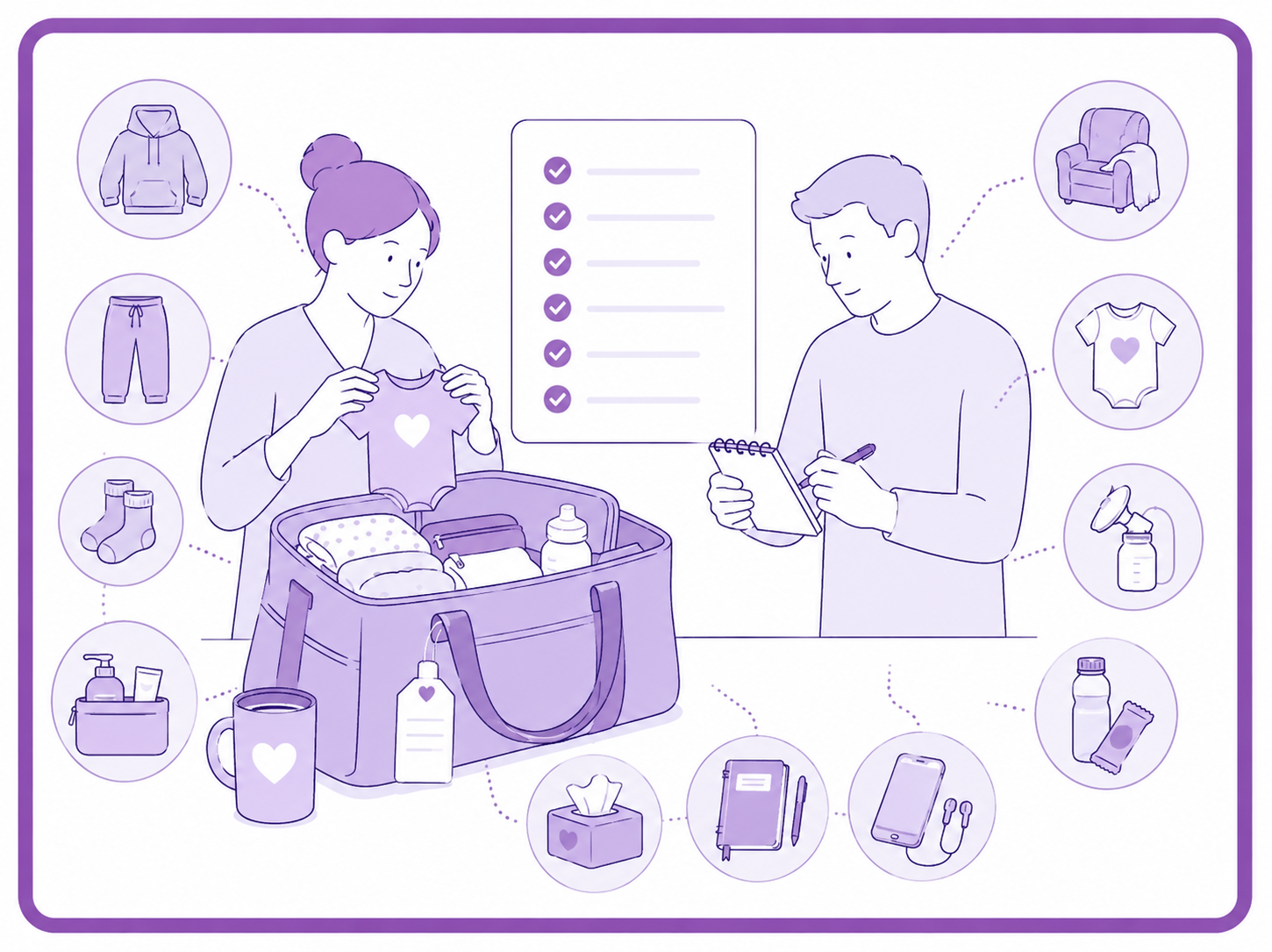
Packing the right essentials can make a big difference during long days and nights in the NICU. Here are some essentials you could consider packing for your stay:
|
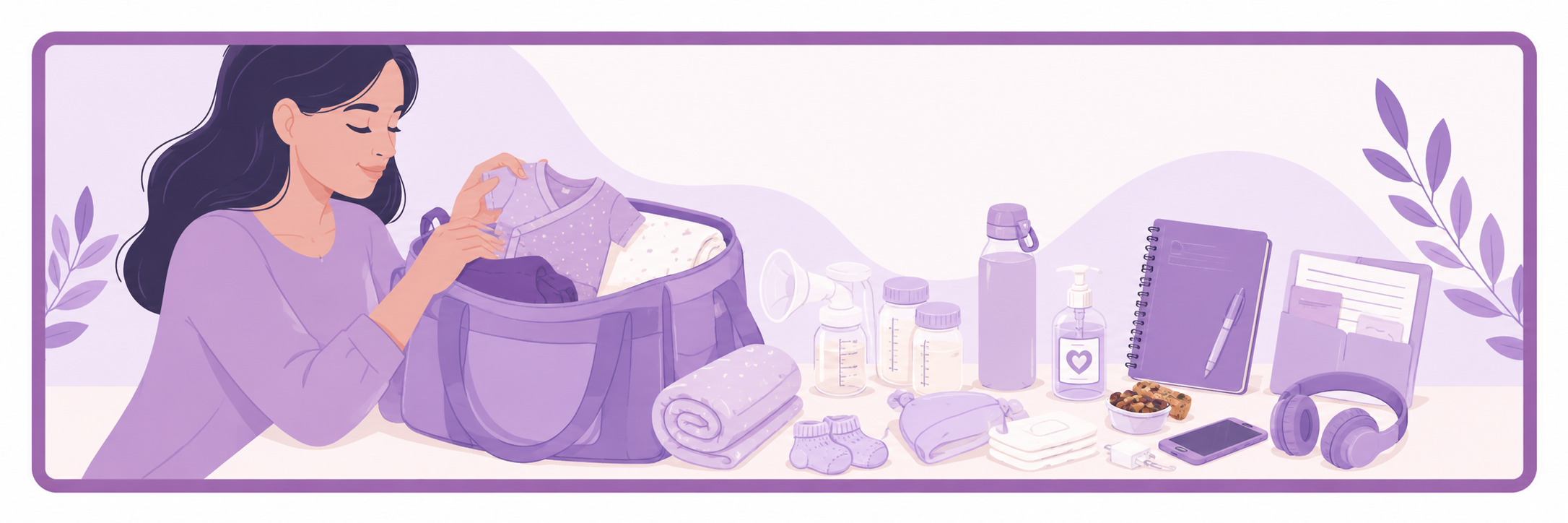
Partners and support people can also feel more prepared for long hours in the NICU by bringing a few essential items.
A change of clothes, basic toiletries, and plenty of snacks for long hours in the hospital.
Entertainment such as books, headphones, or a tablet to help pass waiting time.
A notebook or journal to record updates, track questions, and note important milestones.
Things for Baby
Many babies use very little at first, so it’s always best to check with the NICU team before bringing anything in. A few thoughtful items can add comfort, familiarity, and a sense of home to your baby’s space while still respecting hospital guidelines.
Premmie-sized clothing or wraps, if permitted, although many NICUs supply their own.
A special blanket or soft toy that can be gently scented with a parent’s smell.
Small milestone cards or photos to place near the incubator.
Important: NICUs follow strict safety and hygiene rules. Always ask what’s allowed before bringing personal items.
Practical Items for a Long Stay
For a longer stay, items you might want to consider include:
A reusable water bottle, healthy snacks, and easy-to-eat meals.
Comfortable shoes or slippers for walking hospital corridors.
Cash or cards for the cafeteria, vending machines, and parking.
Layered clothing, as hospitals can feel cold, especially overnight.
Expressing and Feeding Supplies
Having the right expressing and feeding essentials can make pumping and storing breast milk much easier during your baby’s NICU stay. Items you could consider bringing include:
Machine accessories: Most NICUs provide hospital-grade breast pumps, but you may need your own flanges, tubing, or pump-kit pieces depending on the hospital’s setup.
Breast milk storage bags or containers: Essential for safely collecting and storing expressed milk, especially if you pump frequently.
Labels and markers: Useful for clearly labelling each container with the date, time, and your baby’s details so staff can safely manage feeds.
Insulated cooler bag: Ideal for keeping milk cold when transporting it between home and the hospital, helping maintain safety and freshness.
Emotional Support Items
Bringing a few personal and comforting items can help you stay grounded and emotionally supported throughout your NICU journey.
Photos of home, older children, or pets to place near your baby’s space and share moments of familiarity.
A journal or digital app to record your thoughts, fears, and small daily wins.
Comfort items such as a favourite book, calming music playlist, or podcast downloads to help you unwind during long waits.
Contact details for counsellors, social workers, or parent support groups so you can access support whenever you need it.
Important Documents
Having the right documents on hand can make hospital admissions, appointments, and support services much smoother during your NICU stay.
Medicare card, private health insurance details, and personal identification.
Any relevant birth plan, medical history, or pregnancy notes.
Contact details for your GP, obstetrician, or midwife.
Centrelink and parental leave paperwork, if these apply to your situation.
If You’re Travelling from Regional or Rural Areas
Families travelling from regional or rural areas often face additional challenges when their baby requires NICU care, making early planning especially important.
Arranging accommodation close to the hospital can ease stress, and a hospital social worker can guide you through nearby options or available subsidies.
Extended stays may require practical planning, such as locating laundry facilities, organising transport, and keeping communication open with family members back home.
It’s also worth asking about financial support such as state programs like the Isolated Patients Travel and Accommodation Assistance Scheme, known as IPTAAS, which helps NSW residents cover travel and accommodation costs when specialist care isn’t available locally.
What Is IPTAAS?
The Isolated Patients Travel and Accommodation Assistance Scheme, or IPTAAS, is a NSW Government program that helps cover travel and accommodation costs when patients need to travel more than 100 kilometres one way, or 200 kilometres for a round trip, for specialist medical treatment that is not available locally.
NICU stays may qualify. Contact your hospital social worker or visit https://www.iptaas.health.nsw.gov.au/ for eligibility details.
What You Don’t Need to Worry About
You don’t need to worry about bringing every possible item or being perfectly organised before your baby enters the NICU.
The unit will provide almost all essential medical and care supplies, and staff are always happy to explain what is already available, so it’s always worth asking before purchasing anything extra.
You’re not expected to know what your baby needs at each stage, and you don’t have to navigate this experience alone.
The hospital team will guide you step-by-step, offering support, reassurance, and clear information so you can focus on bonding with your baby rather than thinking about what to pack.
See FAQs Below
Get Involved
Run with us
Donate
Join the Premmie Marathon Challenge
FAQs
What should I pack for myself during a NICU stay?
Bring comfortable clothes, comfy shoes, toiletries, snacks, a phone charger, and items to help pass time, like headphones or a book. Don’t panic if you don’t have everything you need. Hospitals generally supply the essentials, and you can always ask friends and family to bring items you’ve forgotten.
What can I bring for my baby in the NICU?
Most NICUs provide essentials, but you may be allowed to bring premmie-sized clothing, a soft blanket, or small milestone item. It’s important to always check with staff first.
Does the NICU provide most items, or do I need to buy things myself?
Yes. Hospitals supply nearly all medical and care items, so parents don’t need to buy much beyond personal comfort items, unless the NICU advises otherwise.

How Running for Premature Babies Helps Support NICUs, SCNs and maternity unit
Running for Premature Babies plays a crucial role in supporting NICUs, SCNs and maternity units across Australia by providing the vital equipment that gives sick and premature babies a better chance of survival.
As one of the country’s most impactful charitable foundations in neonatal care, the organisation has raised more than $12 million since 2007, enabling the donation of over 172 pieces of critical neonatal equipment - including humidicribs, monitors, ventilators & resuscitation cots - to hospitals nationwide. This equipment directly supports NICUs and SCNs in caring for extremely vulnerable newborns, helping to improve survival rates and long-term outcomes.
Running for Premature Babies also funds cutting edge neonatal and perinatal research, helping advance the care of premature infants and improve future treatment options.
Beyond funding, the charity raises awareness of prematurity and the immense demands on NICUs, highlighting the reality that 1 in 10 babies in Australia is born prematurely, many requiring intensive care that can cost thousands of dollars per day. The charity celebrates all prematurely born children, both living and lost, with many supporters having lived experience of prematurity.
Through community running events and nationwide fundraising efforts, Running for Premature Babies empowers everyday Australians to make a tangible difference, helping hospitals provide the specialised care needed to give premature babies their best possible start in life.
You can read more about our impact here.
By giving today, you can help fund urgently needed neonatal equipment that supports hospitals and saves the lives of sick and premature babies. Give today and help fund urgently needed neonatal equipment that will save the lives of sick and premature babies.
https://www.iptaas.health.nsw.gov.au/
Retrieved 26th March 2026