

Preterm Prelabour Rupture of Membranes (PPROM)
A Quick Guide
Warning: If you experience symptoms of PPROM during pregnancy, such as fluid loss or pelvic pressure, seek medical help immediately. Preterm prelabour rupture of membranes can pose risks for both mother and baby.
What is PPROM?
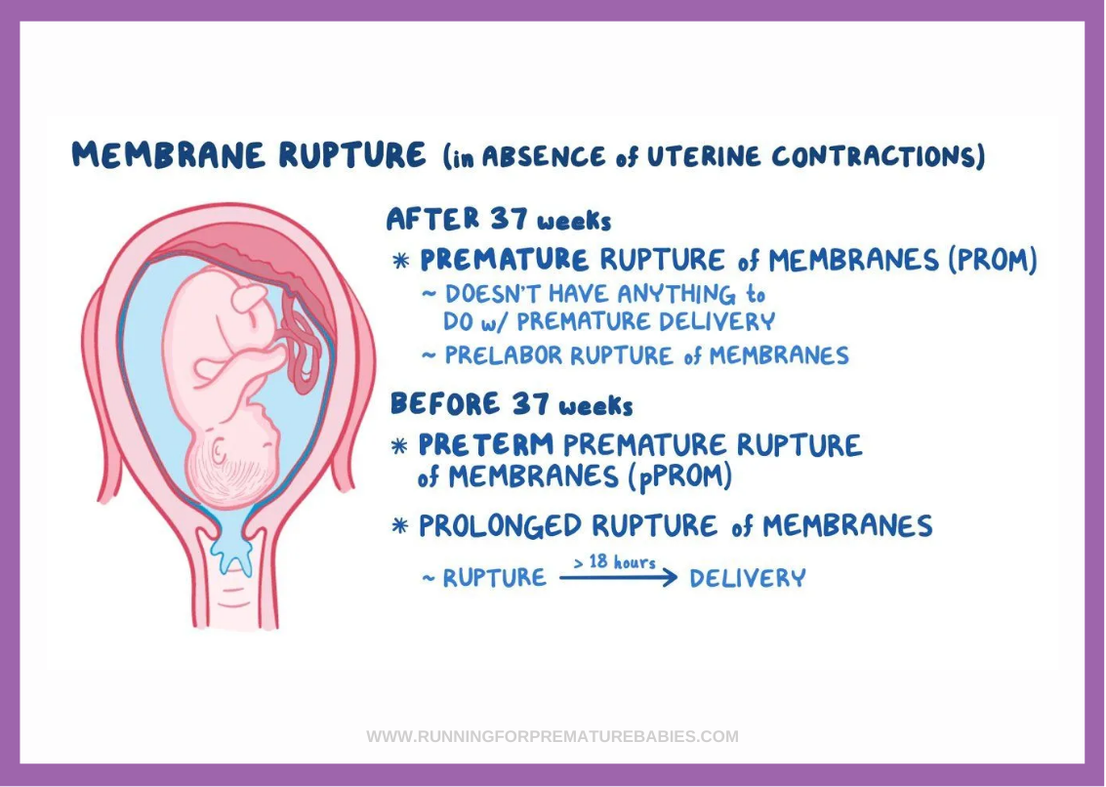
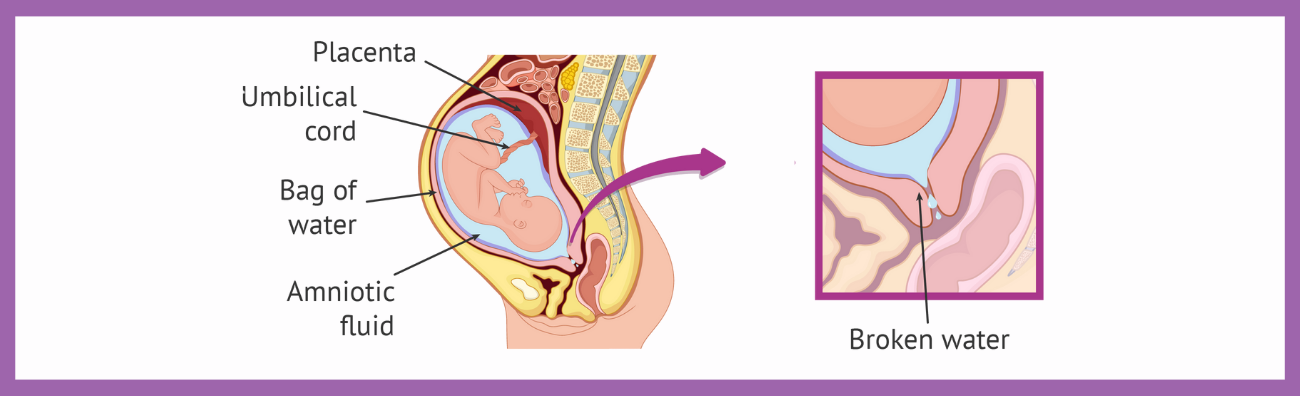
Preterm prelabour rupture of membranes (PPROM) occurs when the amniotic sac surrounding the baby ruptures before 37 weeks of pregnancy and before labour begins. It is a leading cause of preterm birth and is associated with maternal, foetal, and neonatal complications.
Does PPROM cause premature birth?
PPROM significantly increases the likelihood of premature birth, with clinical management focused on reducing complications and improving neonatal survival. Data from The Royal Hospital for Women NSW indicates that PPROM complicates up to 3% of pregnancies and accounts for 30-40% of preterm births. More recent studies indicate that 70-90% of women with PPROM go into labour within seven days, leading to preterm birth.
What causes PPROM?
PPROM is often caused by a combination of infection, inflammation, and structural factors that weaken the amniotic sac or membranes. In some cases, the exact cause is unclear, which is why it is important to be aware of the possibility.
- Infections: Bacterial infections in the uterus or lower genital tract can weaken the membranes
- Inflammation: Inflammation can contribute to premature rupture of the membranes
- Placental abruption or separation: Early separation of the placenta can increase the risk of PPROM
- Cervical insufficiency: A weakened or short cervix may be unable to continue supporting the pregnancy, leading to membrane rupture
- Polyhydramnios: Excess amniotic fluid can place additional pressure on the membranes
- Multiple pregnancy: Twin or triplet pregnancies can increase strain on the uterus
- Previous PPROM or preterm birth: A history of PPROM may increase the likelihood of recurrence by around 20-30%. While this risk is higher than in the general population, where PPROM occurs in approximately 1-3% of pregnancies, most women with a history of PPROM will still deliver at term in their next pregnancy.
- Invasive procedures: Amniocentesis, chorionic villus sampling, or cervical cerclage may increase the risk of PPROM
- Smoking: Smoking is linked to membrane weakening and early rupture and may nearly double the risk
This information has been reviewed by Neonatologist, Dr John Smyth MBChB, FRACP FRCPCH.
See FAQs Below
Get Involved
Run with us
Donate
Join the Premmie Marathon Challenge

How Running for Premature Babies Helps Support NICUs, SCNs and Maternity Units
Running for Premature Babies is one of Australia’s leading charities, funding essential equipment for NICUs, special care nurseries and maternity units to give sick and premature babies the best possible chance of survival.
Since 2007, our charity has raised millions in donations to provide critical neonatal equipment to hospitals nationwide, including humidicribs, monitors, ventilators, and resuscitation cots. We also invest in cutting edge research to advance the treatment options for premature infants. You can read more about our impact here.
Beyond funding, we raise awareness of prematurity and the immense demands on NICUs, highlighting the reality that 1 in 10 babies in Australia is born prematurely. Our charity celebrates all prematurely born children, both living and lost, with many supporters having lived experience of prematurity.
Through community running events and nationwide fundraising, Running for Premature Babies empowers everyday Australians to make a tangible difference to give premature babies their best possible start in life.
Give today and help fund urgently needed neonatal equipment and research that save the lives of sick and premature babies.
FAQs
How common is PPROM in Australia?
PPROM is responsible for 30-40% of preterm births in Australia and occurs in approximately 2-4% of singleton pregnancies and 7-20% of twin pregnancies.
What happens if PPROM happens before 24 weeks?
What are the survival rates of babies born after PPROM?
PPROM Survival rates vary depending on gestational age at rupture and medical intervention.
22-23 weeks: Neonatal mortality remains high, with up to 60% of babies not surviving.
24-28 weeks: Survival rates increase significantly with each week , with up to 70% of babies surviving at 24 weeks gestation and 70-80% at 25 weeks if they are born in a specialised centre. Survival at 26-28 weeks gestation is 80-90+%.
28-33 weeks: Survival rates increase significantly, with most babies surviving.
Ref:
Min et al. Risk of recurrent preterm premature rupture of membrane in subsequent pregnancy: a systematic review and meta-analysis. J Maternal-Fetal & Neonatal Medicine 2026
What Neonatal care is needed for PPROM babies?
In Australia, neonatal care for babies born after PPROM focuses on infection prevention/antibiotic therapy, respiratory support, and feeding/developmental care. Hospitals follow structured PPROM guidelines to reduce complications and support long-term outcomes.
References: