

How NICU Equipment Saves Lives
In Neonatal Intensive Care Units (NICUs), specialised medical equipment plays a critical role in safeguarding the health of premature and critically ill newborns. These advanced technologies - from humidicribs and ventilators to continuous monitoring systems - provide the precise environment and life-support measures fragile infants need to survive.
By stabilising vital functions and reducing the risk of complications, NICU equipment serves as a lifeline during the most vulnerable moments of a baby’s life. Ultimately, this life-saving technology gives families hope and offers premmie and sick babies the strongest possible start.
Why Premature Babies Need Specialised Equipment
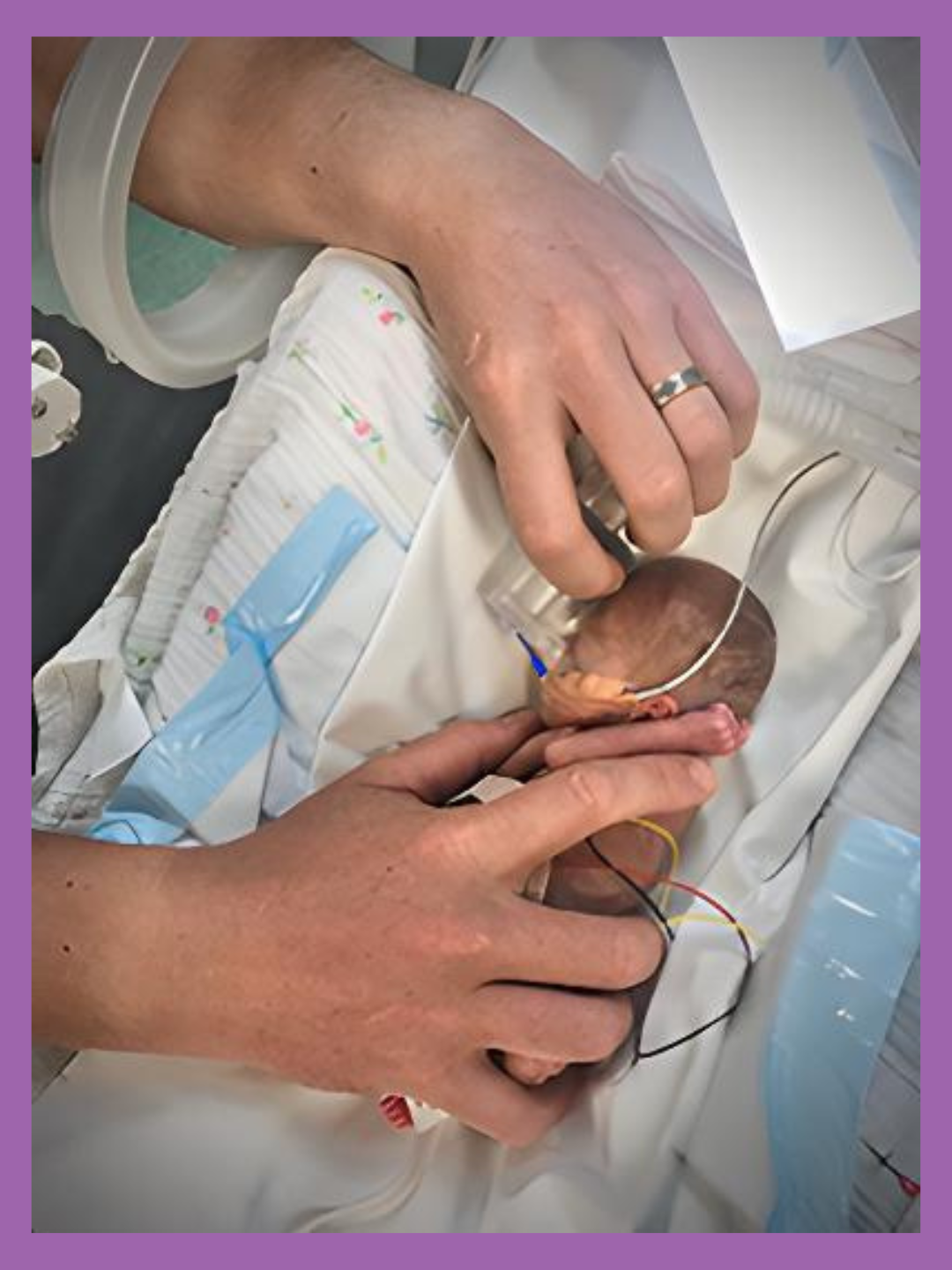
Premature babies need specialised equipment because they enter the world before their organs and bodily systems are fully developed, leaving them unable to perform essential functions independently. Underdeveloped lungs, hearts, and neurological systems often mean these infants require respiratory support, continuous monitoring, and assisted stabilisation.
Premature newborns may need help with breathing, temperature regulation, and managing conditions like low oxygen levels or infection, all of which depend on advanced NICU technology such as ventilators, humidicribs, and monitoring systems. Australian data shows that in 2023, 78% of pre-term babies required admission to a NICU or Special Care Nursery, highlighting how the smaller and earlier a baby is born, the more intensive their care needs become. Specialised equipment therefore provides the life-supporting environment necessary for premature babies to grow, stabilise, and survive during their earliest and most fragile days.
Globally, prematurity rates have remained largely unchanged over the past two decades, underscoring the need for continued investment in research, prevention, and care.

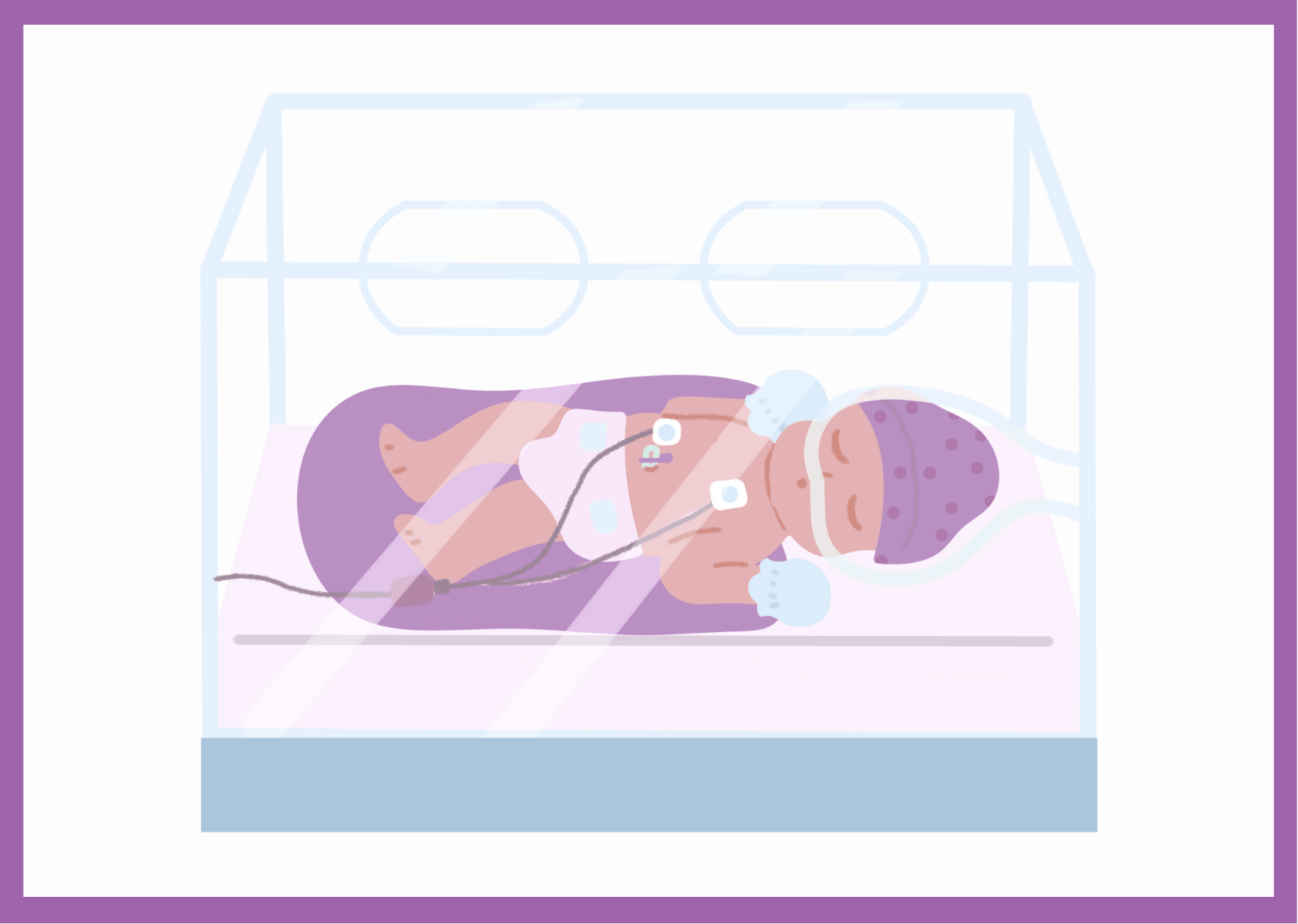
Incubators and other neonatal warming devices support premature and unwell newborns by creating a stable, womb-like environment that protects them during their earliest and most vulnerable days. Neonatal incubators (often called humidicribs in Australia) provide a controlled, enclosed space where heated and humidified air helps maintain a baby’s body temperature, reducing the risk of hypothermia in infants who cannot regulate warmth on their own.
Modern incubators use precise temperature and humidity controls to limit heat and moisture loss, supporting skin integrity and promoting physiological stability, especially important for babies born before 30 weeks’ gestation. Many devices also incorporate features such as noise reduction, infection protection, and safe access ports that allow clinicians to provide care with minimal disruption to the internal environment. These innovations ensure that fragile newborns receive the consistent thermal support they need to grow, and transition safely toward independent temperature regulation.
Respiratory Support Equipment
Respiratory support equipment is essential for premature and critically ill newborns whose lungs are too immature to sustain adequate breathing on their own. Ventilators provide controlled breaths for infants experiencing respiratory failure, while CPAP machines deliver continuous positive airway pressure to keep the airways open, improve gas exchange, and prevent alveolar collapse.
For babies with less severe respiratory challenges, high-flow nasal cannulas and low-flow oxygen therapy offer gentler support while still maintaining safe oxygen saturation levels. Ensuring adequate oxygen delivery is critical because prolonged oxygen deprivation can lead to hypoxia, a major risk factor for brain injury and long-term neurodevelopmental impairment. Evidence shows that neonatal hypoxia can result in severe neurological consequences if not promptly managed through appropriate respiratory support.
Monitoring Technology
Continuous monitoring technology in NICUs track vital signs such as heart rate, oxygen saturation, and breathing patterns in real time. Pulse oximetry and cardio-respiratory monitoring systems allow clinicians to observe subtle physiological changes that may indicate early deterioration. Early warning tools, such as colour-coded “track-and-trigger” observation charts, automatically flag abnormal values and activate clinical escalation pathways, ensuring that staff are alerted to emerging concerns before they become emergencies.
This real-time data provides a clear visual record of trends, enabling clinicians to make rapid, informed decisions that can prevent complications and support better outcomes in the most critical moments of neonatal care.
Feeding and Nutrition Equipment
Feeding and nutrition equipment is essential in supporting premature and medically fragile newborns who are often too small or weak to feed orally. Nasogastric and orogastric tubes allow clinicians to safely deliver expressed breast milk or formula directly into a baby’s stomach, ensuring consistent nutrition while bypassing the need for coordinated sucking and swallowing.
Phototherapy and Jaundice Treatment
Phototherapy is the primary treatment for neonatal jaundice and works by using blue-spectrum light to convert unconjugated bilirubin (a yellow pigment produced when the body breaks down red blood cells) into water-soluble photo-isomers that the body can excrete without needing liver conjugation.
Jaundice is especially common in premature babies (up to 85% of preterm
These technologies ensure safe, effective bilirubin reduction while allowing clinicians to tailor treatment intensity to each infant’s needs.
Specialised Transport Equipment
Specialised transport equipment allows for critically ill or premature babies to be transferred safely between hospitals, ensuring they receive the right level of neonatal intensive care when and where it is needed.
The Gap in Equipment Access
Many regional and rural hospitals across Australia face significant gaps in access to modern neonatal equipment, largely due to longstanding funding inequities and rising operational costs.
Running for Premature Babies raises vital funds for NICU equipment and specialised neonatal transport, making a tangible and measurable difference to the survival and care of premature babies across Australia.
Our charity funded neonatal equipment and research that has benefited more than 21,000 babies nationwide. Contributions include life-saving humidicribs, incubators, ventilators, and specialised neonatal devices.
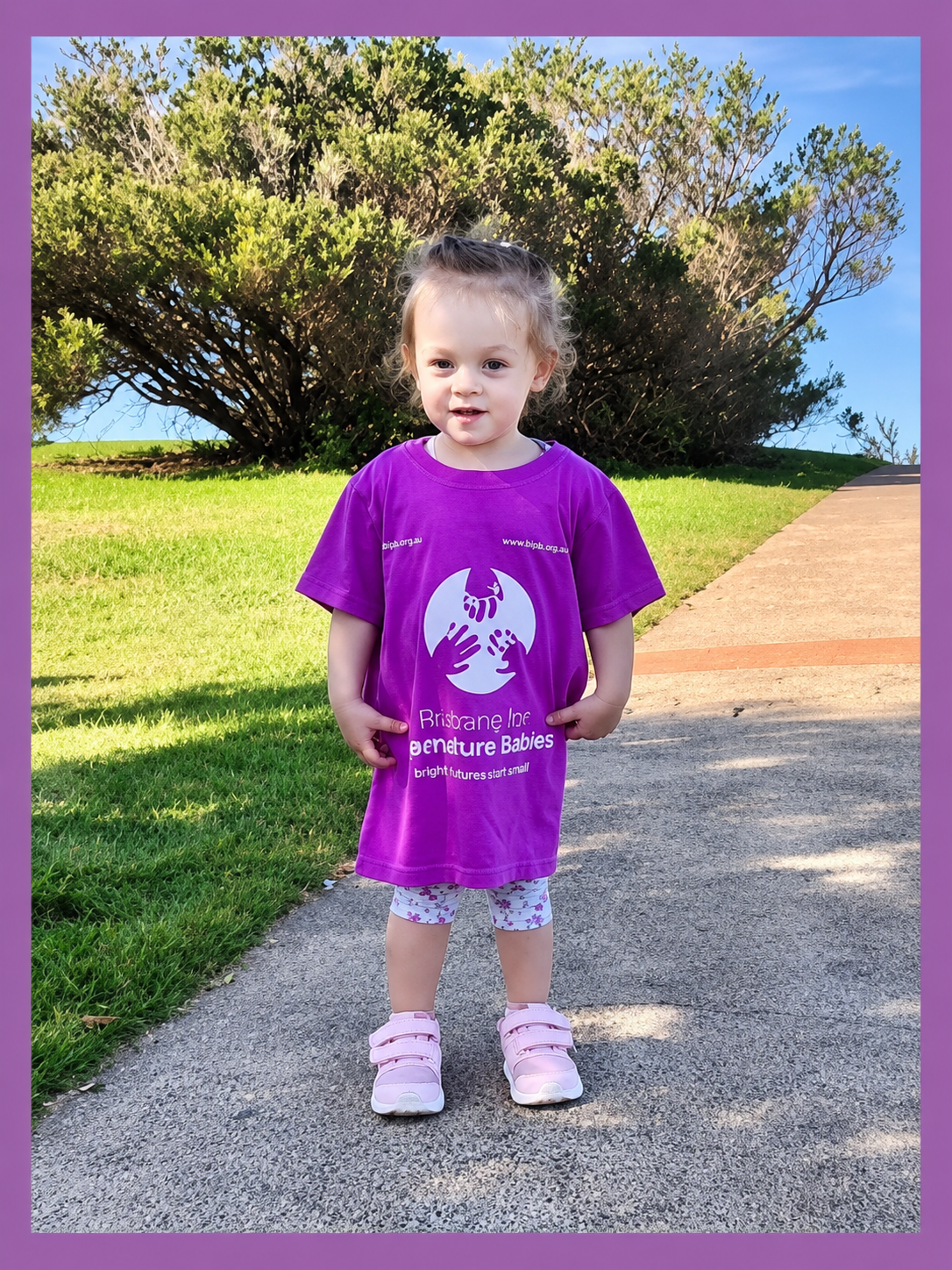
Little Grace was given a slim chance of survival when she was born at just 23 weeks gestation weighing 548 grams . But with the benefit of the amazing staff at the Royal Hospital for Women’s NICU, and lifesaving equipment donated by Running for Premature Babies, Grace pulled through. One of the machines that helped Grace through her first weeks was a state of the art ‘Baby Leo’ Incubator donated by our charity. Using this incubator meant that Grace didn’t have to be transferred to an operating theatre when she was extremely fragile but needed lifesaving surgery at 7 days old. During her months in the NICU Grace also used a ventilator, monitor, ultrasound machine and X-ray machine all donated by Running for Premature Babies.
Our support extends to transport equipment as well, including funding a NeoResq transport vehicle used to safely transfer critically ill infants such as Sophie and Hannah.
Funds raised goes toward providing urgently needed NICU equipment and research, ensuring that premature babies - from major cities to remote regions - have access to the technology that can save lives.
See FAQs Below
Get Involved
Run with us
Donate
Join the Premmie Marathon Challenge
FAQs
What equipment is used in the NICU and what does it do?
Key NICU equipment includes:
- Incubators: Keep babies warm and protected when they cannot regulate temperature on their own.
- Humidicribs: Similar to an incubator, controls humidity as well as temperature
- Ventilators/CPAP: Help babies breathe if their lungs are not fully developed.
- Monitors: Track heart rate, breathing, oxygen levels, and blood pressure continuously.
- Phototherapy lights: Treat jaundice using blue light.
How does NICU equipment help premature babies survive?
- Supports vital functions such as breathing, temperature control, and feeding.
- Detects problems early through constant monitoring so staff can act immediately.
- Protects babies from infection, heat loss, and stress while they grow stronger.
Why do some babies need ventilators, CPAP, or breathing support in the NICU?
- Premature lungs may not be developed enough to provide enough oxygen.
- Some babies struggle to keep their airways open or have breathing disorders at birth.
- Breathing support prevents oxygen deprivation, which can lead to complications.
How Running for Premature Babies Helps Support NICUs, SCNs and maternity unit
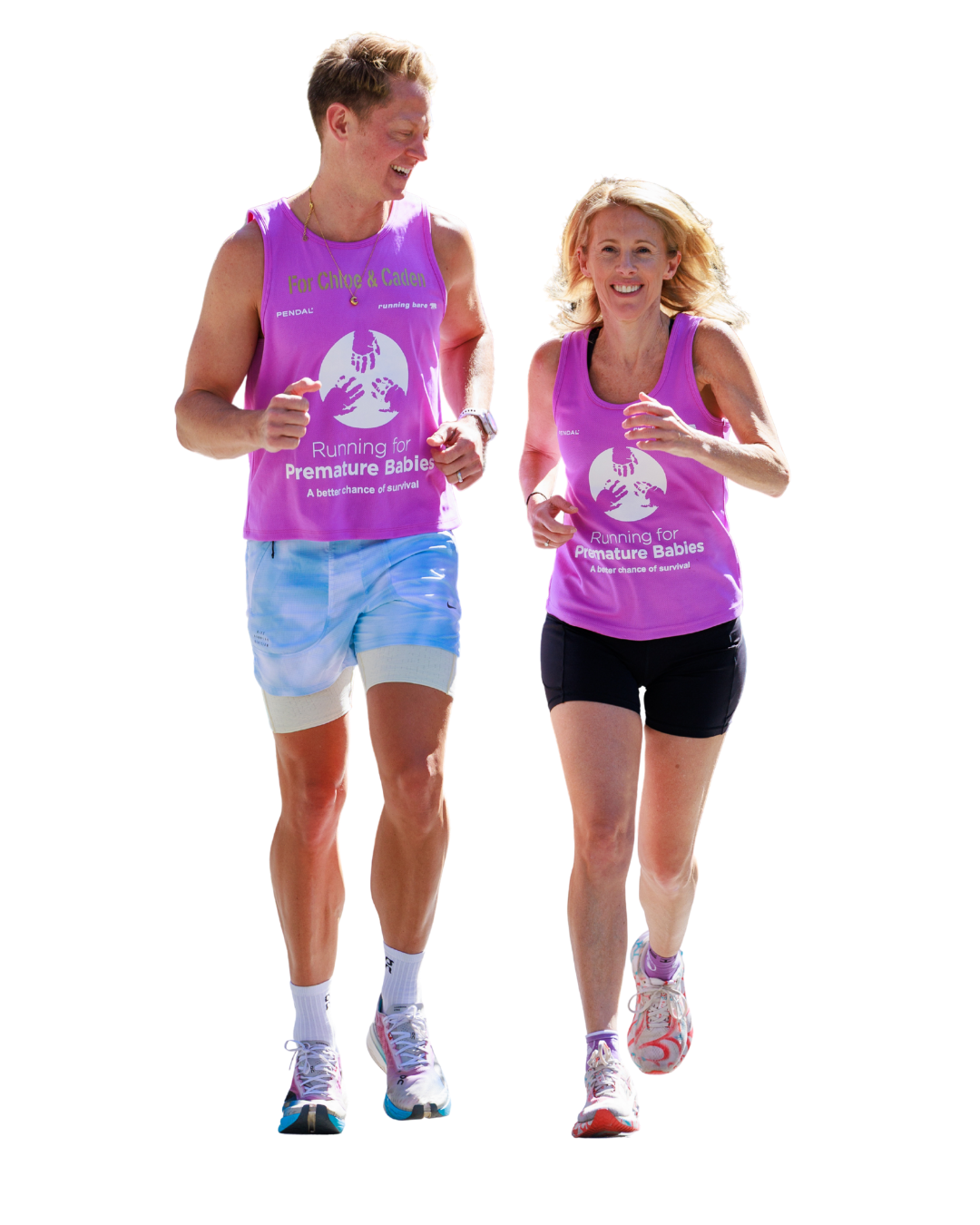
Running for Premature Babies plays a crucial role in supporting NICUs, SCNs and maternity units across Australia by providing the vital equipment that gives sick and premature babies a better chance of survival.
As one of the country’s most impactful charitable foundations in neonatal care, the organisation has raised more than $12 million since 2007, enabling the donation of over 172 pieces of critical neonatal equipment - including humidicribs, monitors, ventilators & resuscitation cots - to hospitals nationwide. This equipment directly supports NICUs and SCNs in caring for extremely vulnerable newborns, helping to improve survival rates and long-term outcomes.
Running for Premature Babies also funds cutting edge neonatal and perinatal research, helping advance the care of premature infants and improve future treatment options.
Beyond funding, the charity raises awareness of prematurity and the immense demands on NICUs, highlighting the reality that 1 in 10 babies in Australia is born prematurely, many requiring intensive care that can cost thousands of dollars per day. The charity celebrates all prematurely born children, both living and lost, with many supporters having lived experience of prematurity.
Through community running events and nationwide fundraising efforts, Running for Premature Babies empowers everyday Australians to make a tangible difference, helping hospitals provide the specialised care needed to give premature babies their best possible start in life.
You can read more about our impact here.
Every contribution makes a difference. By giving today, you can help fund urgently needed neonatal equipment that supports hospitals and saves the lives of sick and premature babies. Give today and help fund urgently needed neonatal equipment that will save the lives of sick and premature babies.
https://www.aihw.gov.au/reports/mothers-babies/australias-mothers-babies/contents/baby-outcomes/admission-to-a-special-care-nursery-or-neonatal-in
Retrieved 25th March 2026
https://cec.health.nsw.gov.au/keep-patients-safe/between-the-flags/observation-charts
Retrieved 25th March 2026
https://resources.schn.health.nsw.gov.au/policies/policies/pdf/2022-111.pdf
Retrieved 25th March 2026
https://www.health.nsw.gov.au/regional/Pages/nsw-small-hospitals-funding-review-2024.aspx
Retrieved 25th March 2026
https://www.ruralhealth.org.au/the-forgotten-health-spend-report/
Retrieved 25th March 2026