Premature Birth in Rural and Remote Australia
Challenges and Support
While most Australians live in or near major cities, approximately 31% of the population lives in rural or remote areas. For families in these communities, the experience of premature birth can be shaped by unique challenges, including distance from specialist care, limited local resources, and the need for emergency transport.
Understanding these challenges is important for ensuring that every premature baby in Australia, regardless of where they are born, receives the care they need.
Higher Rates of Prematurity Outside Major Cities
Attending regular antenatal appointments is one of the most important steps in reducing the risk of premature birth . Routine check-ups allow healthcare providers to:
- Monitor the growth and development of the baby
- Check blood pressure, blood sugar levels, and other vital signs
- Screen for infections that may trigger preterm labour
- Identify and manage conditions such as pre-eclampsia or gestational diabetes early
Early and consistent antenatal care provides the best opportunity for early detection and intervention.

Access to Neonatal Care
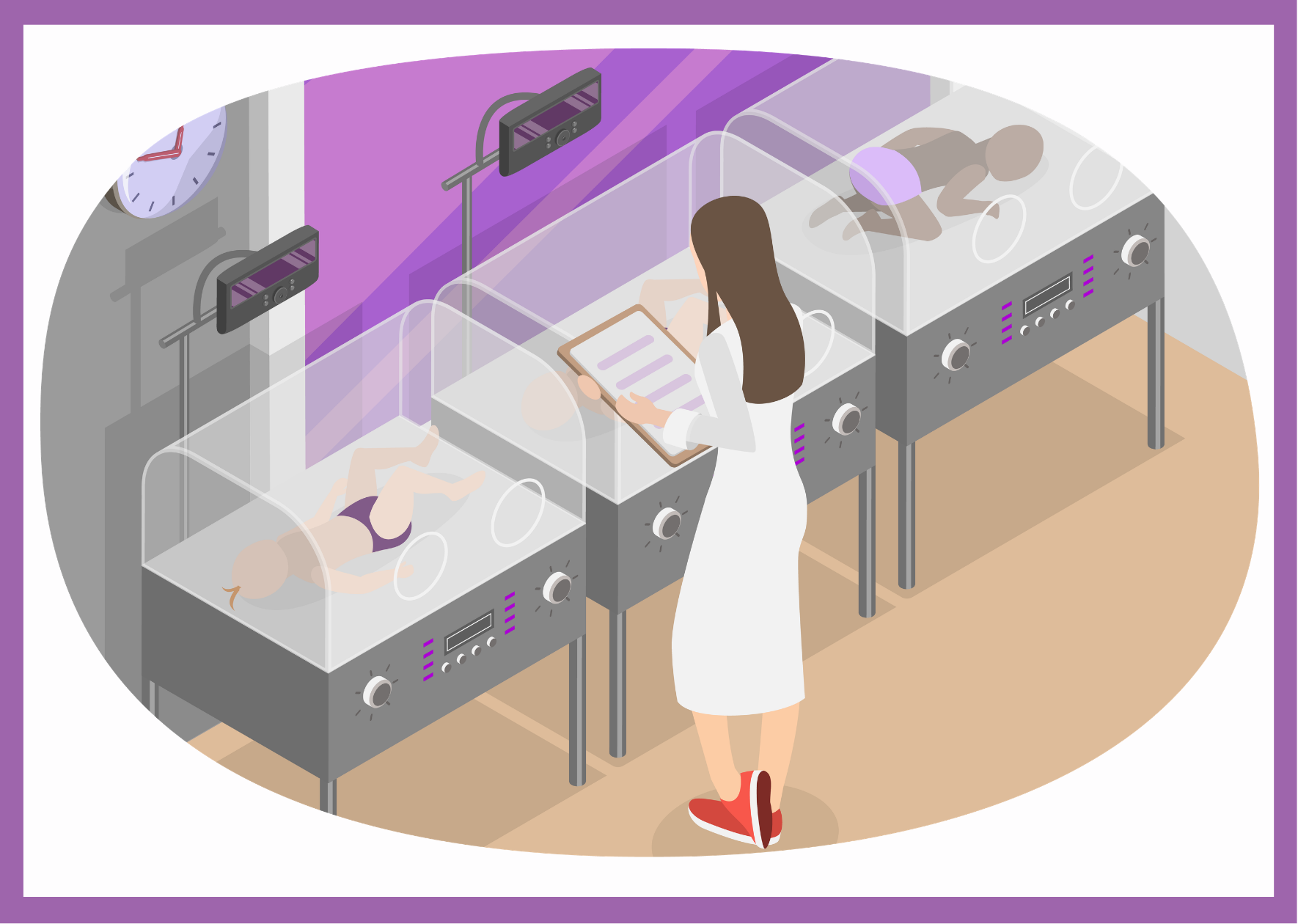
Australia has 24 Neonatal Intensive Care Units (NICUs) and over 100 Special Care Nurseries (SCNs). The majority of these facilities are located in metropolitan areas, meaning that babies born prematurely in rural or remote locations often need to be transferred to receive the level of care they require.
This can mean a baby is transported hundreds of kilometres from their family’s home to the nearest NICU or SCN. For families, this separation adds an enormous emotional, practical, and financial burden to an already stressful experience.
Neonatal Transport Services
Specialised neonatal transport services play a critical role in ensuring premature babies in rural and remote areas can access the care they need. These services use specially equipped ambulances and aircraft staffed by experienced neonatal teams who can provide intensive care during transport.
In New South Wales, the Newborn and Paediatric Emergency Transport Service (NETS) coordinates the retrieval and transport of critically ill newborns to tertiary neonatal units. Similar services operate across other states and territories.
Returning Babies Closer to Home
Once a premature baby is well enough to leave the NICU but still requires some level of special care, returning them to a hospital closer to their family’s home is an important step in the recovery journey.
The Running for Premature Babies NeoRESQ Vehicle, affectionately known as R4LPH (Returning All the Little People Home), has been in service since November 2020 and is one of several neonatal ambulances donated by Running for Premature Babies. This specialised vehicle is designed to safely transport stable babies from tertiary hospitals back to regional hospitals closer to their families, reducing the time families spend separated from their home communities.
The Impact on Families
For families in rural and remote areas, having a premature baby can mean weeks or months away from home. Parents may need to travel long distances, find accommodation near the hospital, and manage the needs of other children or work commitments at the same time.
The emotional toll of being separated from home, support networks, and community cannot be underestimated. Families in this situation often face increased anxiety, isolation, and financial strain.
Hospital social workers and support organisations can help connect families with accommodation services, financial assistance, and emotional support during this difficult time.
Supporting Regional Hospitals
Ensuring that regional and rural hospitals have access to appropriate neonatal equipment is vital. Well-equipped regional hospitals can provide initial stabilisation for premature babies, reducing the time to treatment and improving outcomes before transport to a larger centre is arranged.
Running for Premature Babies has provided life-saving neonatal equipment to hospitals across Australia, including many regional and rural facilities. This support helps ensure that premature babies born outside major cities have the best possible chance from the moment they arrive.
Closing the Gap in Regional Neonatal Care
Addressing the challenges of premature birth in rural and remote Australia requires continued investment in:
- Neonatal equipment for regional hospitals
- Specialised transport services to move babies safely between facilities
- Training and retention of healthcare professionals in regional areas
- Improved access to antenatal care for women in remote communities
- Support services for families who need to travel for their baby’s care
Every premature baby deserves access to the best possible care, regardless of where they are born.
Get Involved
Run with us
Donate
Join the Premmie Marathon Challenge
How Running for Premature Babies Helps Support NICUs, SCNs and Maternity Units
Running for Premature Babies plays a crucial role in supporting NICUs, SCNs and maternity units across Australia by providing vital equipment that gives sick and premature babies a better chance of survival.
As one of the country’s most impactful charitable foundations in neonatal care, the organisation has raised more than $12 million since 2007, enabling the donation of over 172 pieces of critical neonatal equipment, including humidicribs, monitors, ventilators and resuscitation cots, to hospitals nationwide. This equipment directly supports NICUs and SCNs in caring for extremely vulnerable newborns, helping to improve survival rates and long-term outcomes.
Running for Premature Babies also funds cutting-edge neonatal and perinatal research, helping to advance the care of premature infants and improve future treatment options.
Beyond funding, the charity raises awareness of prematurity and the immense demands on NICUs, highlighting the reality that 1 in 10 babies in Australia is born prematurely, with many requiring intensive care that can cost thousands of dollars per day. The charity celebrates all prematurely born children, both living and lost, with many supporters having lived experience of prematurity.
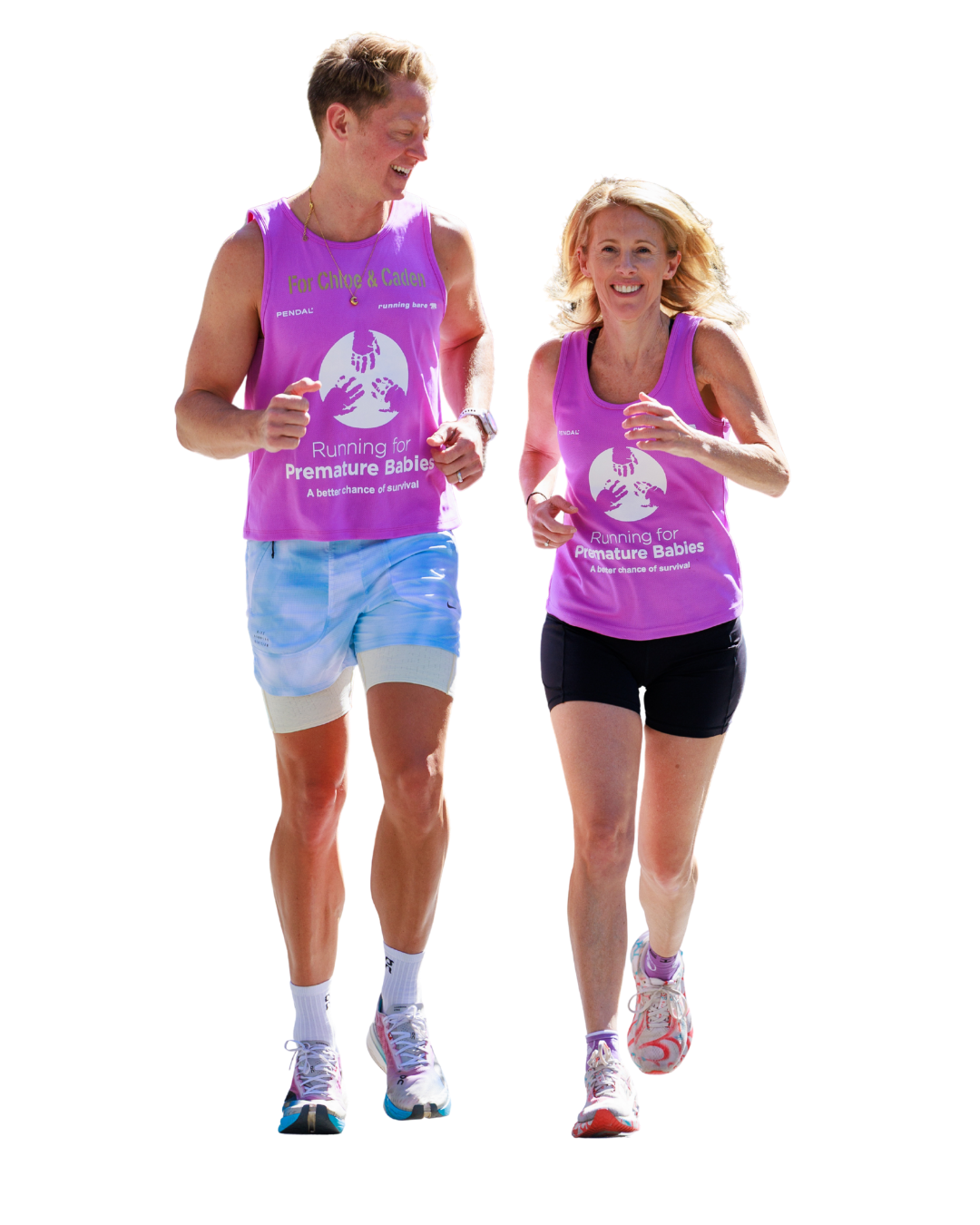
Through community running events and nationwide fundraising efforts, Running for Premature Babies empowers everyday Australians to make a tangible difference, helping hospitals provide the specialised care needed to give premature babies their best possible start in life.
You can read more about our impact here.
By giving today, you can help fund urgently needed neonatal equipment that supports hospitals and saves the lives of sick and premature babies. Give today and help fund urgently needed neonatal equipment that will save the lives of sick and premature babies.
Disclaimer: This information from Running for Premature Babies Foundation is educational and informative in nature and does not constitute medical advice or a healthcare recommendation. For further information, please contact us.
Australian Institute of Health and Welfare. (2025). Rural and remote health. Australian Government. https://www.aihw.gov.au/reports/rural-remote-australians/rural-and-remote-health
Newborn & Paediatric Emergency Transport Service. (n.d.). Newborn & Paediatric Emergency Transport Service. NSW Government. https://www.nets.org.au/
Australian Institute of Health and Welfare. (2026). Australia’s mothers and babies. Australian Government. https://www.aihw.gov.au/reports/mothers-babies/australias-mothers-babies