
Risk Factors for Premature Birth and How to Reduce Your Risk
Premature birth – the birth of a baby before 37 weeks of gestation – is influenced by a complex interplay of medical, lifestyle, and socio-demographic factors. In many cases, the exact cause of preterm labour is not known. However, understanding the key risk factors can help families and healthcare providers take steps to reduce the likelihood of early delivery.
In Australia, approximately 8.7% of babies are born prematurely each year. While not all premature births can be prevented, awareness of risk factors and access to appropriate care can make a meaningful difference.
Regular antenatal care
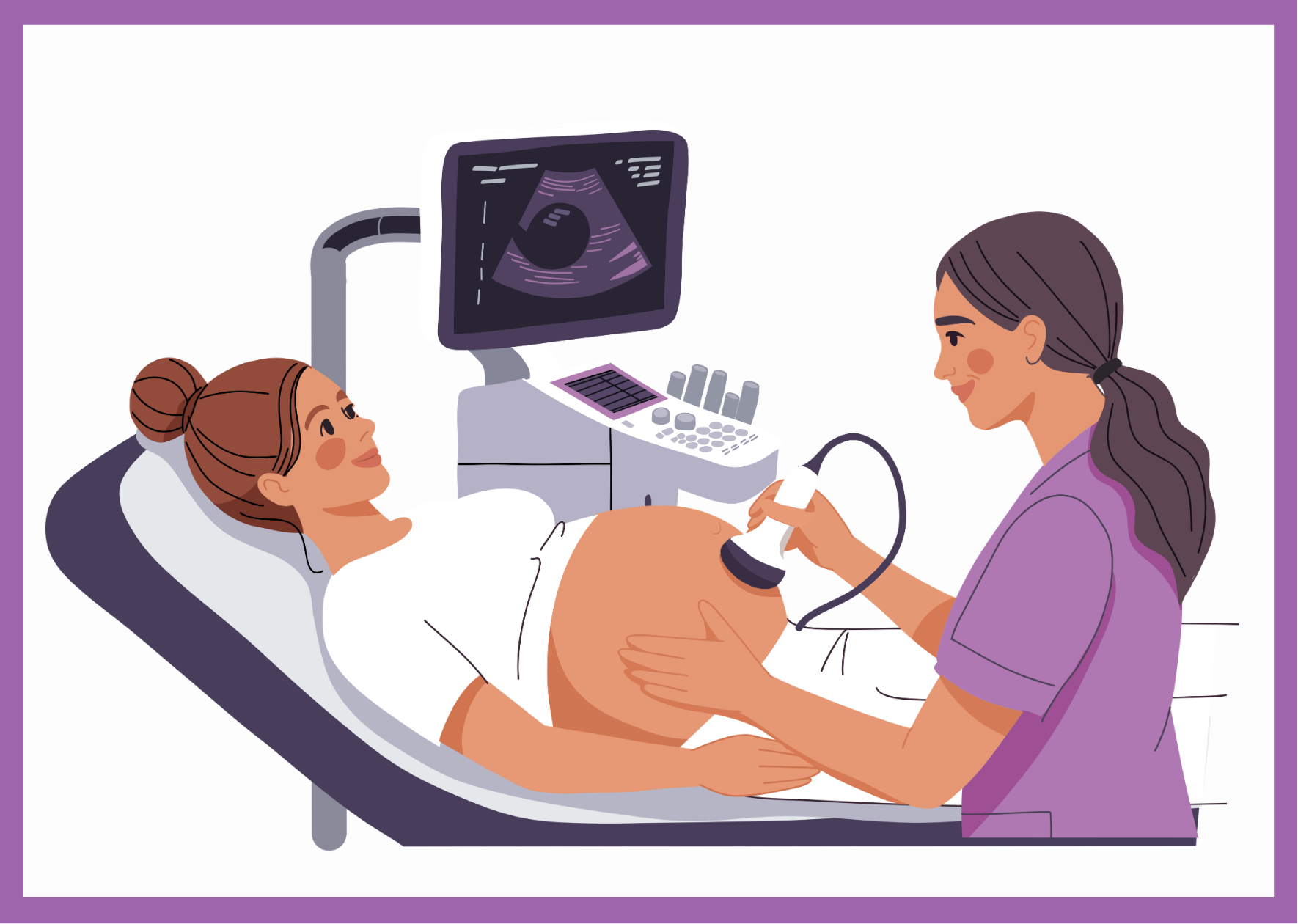
Attending regular antenatal appointments is one of the most important steps in reducing the risk of premature birth. Routine check-ups allow healthcare providers to:
- Monitor the growth and development of the baby
- Check blood pressure, blood sugar levels, and other vital signs
- Screen for infections that may trigger preterm labour
- Identify and manage conditions such as pre-eclampsia or gestational diabetes early
Early and consistent antenatal care provides the best opportunity for early detection and intervention.

Certain medical conditions and pregnancy-related factors are associated with a higher risk of preterm birth. These include:
- Previous premature birth – having had a prior preterm delivery is one of the strongest predictors of a subsequent premature birth
- Short cervical length – a shortened cervix detected during mid-pregnancy ultrasound is associated with increased risk
- Multiple pregnancies – carrying twins, triplets, or higher-order multiples significantly increases the chance of early delivery
- Pre-eclampsia and high blood pressure – these conditions can necessitate early delivery for the safety of mother and baby
- Preterm prelabour rupture of membranes (PPROM) – when the amniotic sac breaks before 37 weeks
- Infections – urinary tract infections, bacterial vaginosis, and other infections during pregnancy can trigger preterm labour
- Chronic health conditions – diabetes, kidney disease, and autoimmune disorders can increase risk
- Placental complications – including placenta praevia and placental abruption
Some lifestyle factors can influence the risk of premature birth. While not all are within a person’s control, awareness can support healthier choices where possible:
- Smoking during pregnancy – tobacco use is a well-established risk factor for preterm birth
- Alcohol and substance use – consuming alcohol or using recreational drugs during pregnancy increases risk
- Inadequate nutrition – poor dietary intake, low pre-pregnancy weight, or insufficient weight gain during pregnancy
- High levels of stress – chronic psychological stress can affect hormonal balance and contribute to preterm labour
- Physical demands – prolonged standing, heavy lifting, or physically demanding work may increase risk in some cases
Social and demographic risk factors
Premature birth does not affect all communities equally. Social determinants of health play an important role:
- Maternal age – mothers younger than 20 or older than 39 are at higher risk
- Socioeconomic disadvantage – limited access to healthcare, nutrition, and support services increases risk
- First Nations Australians – Aboriginal and Torres Strait Islander women experience preterm birth at approximately twice the rate of non-Indigenous women
- Rural and remote communities – geographic isolation can limit access to specialist maternity and neonatal care
- Pregnancies conceived through IVF – assisted reproduction is associated with a higher incidence of preterm birth
Stress during pregnancy – whether due to personal circumstances, financial pressures, or environmental factors – deserves particular attention as a risk factor for premature birth.
How to reduce the risk of premature birth
While not all premature births can be prevented, several evidence-based strategies can help reduce the risk:
Regular antenatal care
Attending regular check-ups allows healthcare providers to monitor the health of both mother and baby. Routine tests for blood pressure, blood sugar levels, growth, and infections can help identify and manage conditions early.
Cervical length screening and progesterone treatment
Cervical length measurement at the mid-pregnancy scan is a useful predictor of preterm birth. In cases where a shortened cervix is detected, treatment with progesterone has been shown to reduce the incidence of preterm delivery.
Healthy lifestyle choices
Quitting smoking, avoiding alcohol and recreational drugs, eating a balanced diet, and maintaining a healthy weight all contribute to a healthier pregnancy and reduced risk of premature birth.
Midwife-led continuity of care
Research indicates that women who receive midwife-led models of care are less likely to experience antenatal hospitalisation, loss of the baby, or early spontaneous birth. Continuity of carer – seeing the same midwife throughout pregnancy – is associated with improved outcomes.
Emotional and social support
Having adequate support from partners, family, friends, and healthcare providers can positively influence pregnancy outcomes. If you are experiencing stress, anxiety, or difficult circumstances, speaking with your healthcare team about available support services is an important step.
When to seek medical advice
If you are pregnant and experiencing any signs of preterm labour – such as regular contractions before 37 weeks, pelvic pressure, lower back pain, or changes in vaginal discharge – it is important to contact your healthcare provider or hospital immediately.
Early intervention can sometimes delay or prevent premature delivery, giving your baby more time to develop.
Understanding risk to support better outcomes
Knowing the risk factors for premature birth is an important step in supporting healthier pregnancies and better outcomes for mothers and babies. While some factors cannot be changed, many can be managed with the right care, support, and information.
Running for Premature Babies is committed to supporting families affected by prematurity. By giving today, you can help fund urgently needed neonatal equipment that supports hospitals and saves the lives of sick and premature babies.
Get Involved
Run with us
Donate
Join the Premmie Marathon Challenge

How Running for Premature Babies Helps Support NICUs, SCNs and maternity unit
Running for Premature Babies plays a crucial role in supporting NICUs, SCNs and maternity units across Australia by providing the vital equipment that gives sick and premature babies a better chance of survival.
As one of the country’s most impactful charitable foundations in neonatal care, the organisation has raised more than $12 million since 2007, enabling the donation of over 172 pieces of critical neonatal equipment - including humidicribs, monitors, ventilators & resuscitation cots - to hospitals nationwide. This equipment directly supports NICUs and SCNs in caring for extremely vulnerable newborns, helping to improve survival rates and long-term outcomes.
Running for Premature Babies also funds cutting edge neonatal and perinatal research, helping advance the care of premature infants and improve future treatment options.
Beyond funding, the charity raises awareness of prematurity and the immense demands on NICUs, highlighting the reality that 1 in 10 babies in Australia is born prematurely, many requiring intensive care that can cost thousands of dollars per day. The charity celebrates all prematurely born children, both living and lost, with many supporters having lived experience of prematurity.
Through community running events and nationwide fundraising efforts, Running for Premature Babies empowers everyday Australians to make a tangible difference, helping hospitals provide the specialised care needed to give premature babies their best possible start in life.
You can read more about our impact here.
Give today and help fund urgently needed neonatal equipment that will save the lives of sick and premature babies.