Funding life-saving research

Running for Premature Babies is proud to support vital research that will transform the care of premature babies.

Impact

Why we fund research

Advancing neonatal care for the future

Improving outcomes for premature babies

To give every baby the best possible start

Research currently funded by Running for Premature Babies
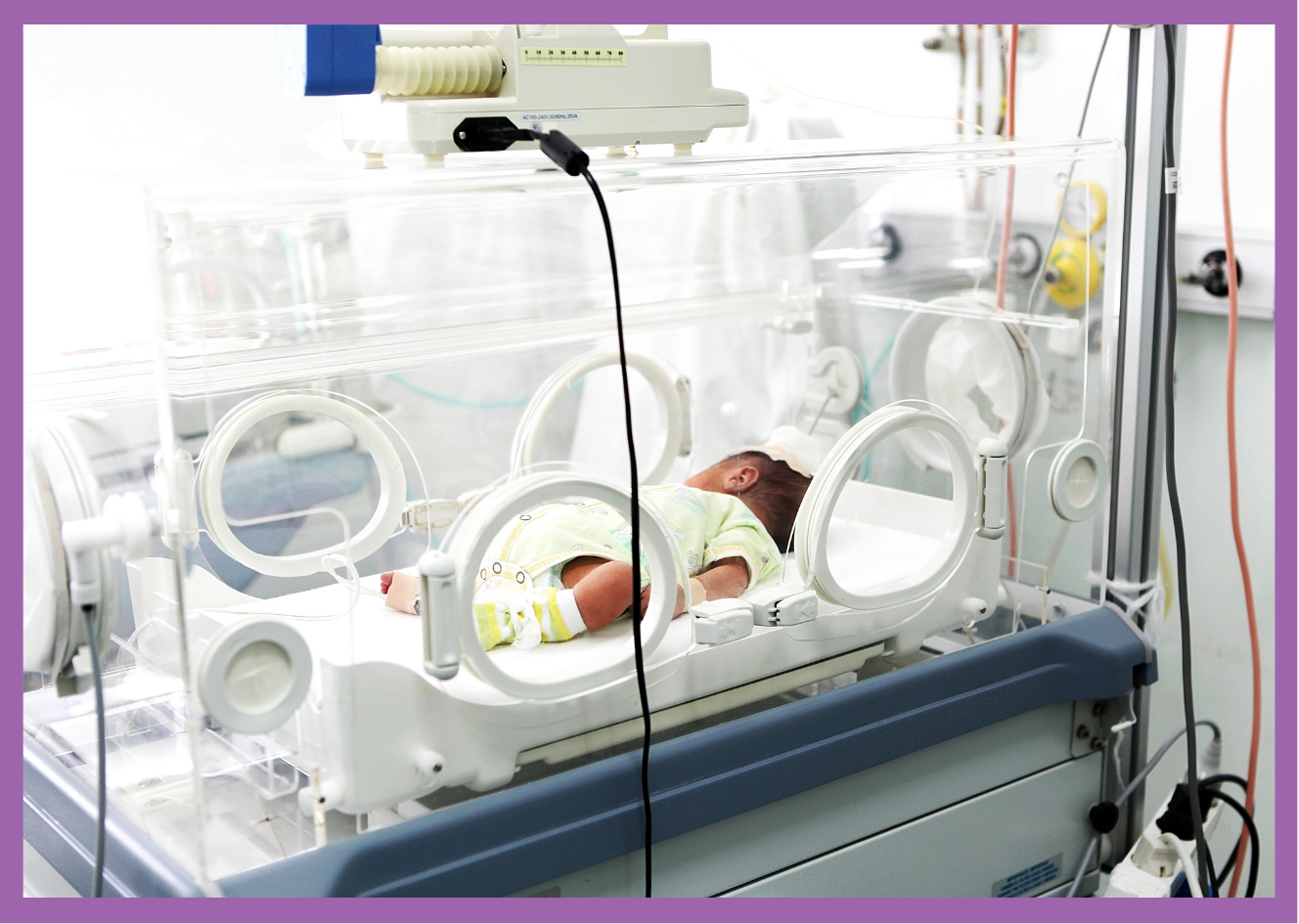
BabyCCINO trial

Babies born very prematurely often experience apnoea of prematurity, where they temporarily stop breathing. Caffeine is routinely used to help, but the best dose for premature babies is still unknown.

BabyCCINO is a groundbreaking study within the PLATIPUS adaptive trial platform that will compare three commonly used caffeine doses and treatment approaches in babies born before 32 weeks. The aim is to determine which approach provides the best outcomes for these vulnerable babies.

Why this research matters
Apnoea occurs in almost all babies born before 28 weeks. Caffeine can reduce episodes of stopped breathing and the need for additional breathing support, but dosing practices vary around the world.

By helping establish the most effective way to use caffeine, BabyCCINO will improve treatment for premature babies in Australia, New Zealand and internationally.
Running for Premature Babies is proud to be a funder of BabyCCINO, alongside the NHMRC and Medical Research Future Fund.
PHOEniX: Preventing chronic lung disease in extremely premature babies

Babies born before 28 weeks have extremely immature lungs and often require breathing support to survive. While lifesaving, this support can contribute to chronic lung disease, a serious condition that can have lifelong consequences and, in some cases, be fatal. Our founder, Sophie, knows this devastating reality firsthand, having lost one of her triplets, Jasper, to chronic lung disease.

PHOEniX (Prophylactic Hydrocortisone to Improve Outcomes in Extremely Preterm Infants) is investigating whether a short course of low-dose hydrocortisone can reduce chronic lung disease and improve survival and long-term outcomes for babies born extremely premature.

Why this research matters
Hydrocortisone is an anti-inflammatory medicine that may help protect the developing lungs of extremely premature babies. PHOEniX aims to provide the evidence needed to determine whether early treatment can safely reduce the risk of chronic lung disease and improve survival and longer-term health.

If successful, the findings could help shape neonatal care in Australia and around the world, giving extremely premature babies the best possible chance of a healthier future.
ANZ Neonatal Retrieval Network Data Collection

Very premature and critically ill babies born outside major neonatal centres often need urgent transfer to a hospital with a Neonatal Intensive Care Unit (NICU). These babies are particularly vulnerable, and the care they receive during the critical period between birth and arrival at specialist care can have an important bearing on their outcomes.

The Australian and New Zealand Neonatal Retrieval Network is establishing a shared data system to collect, compare and benchmark neonatal retrieval services across Australia and New Zealand. The project will examine areas such as response and mobilisation times, stabilisation and transport, while linking retrieval information with existing neonatal intensive care data.

Why this research matters
More than 6,000 babies require emergency neonatal retrieval across Australia and New Zealand each year. By comparing services and following a baby’s journey from the initial call for help through to hospital discharge, the project aims to identify what works well, where care can be improved and how changes in retrieval practice affect outcomes.

The resulting evidence will support neonatal retrieval teams to learn from each other, improve care and ultimately achieve better outcomes for critically ill and premature babies.
Running for Premature Babies is proud to support the establishment of this important Australia and New Zealand-wide neonatal retrieval benchmarking initiative.
WHEAT Trial
Helping prevent a serious bowel disease in premature babies
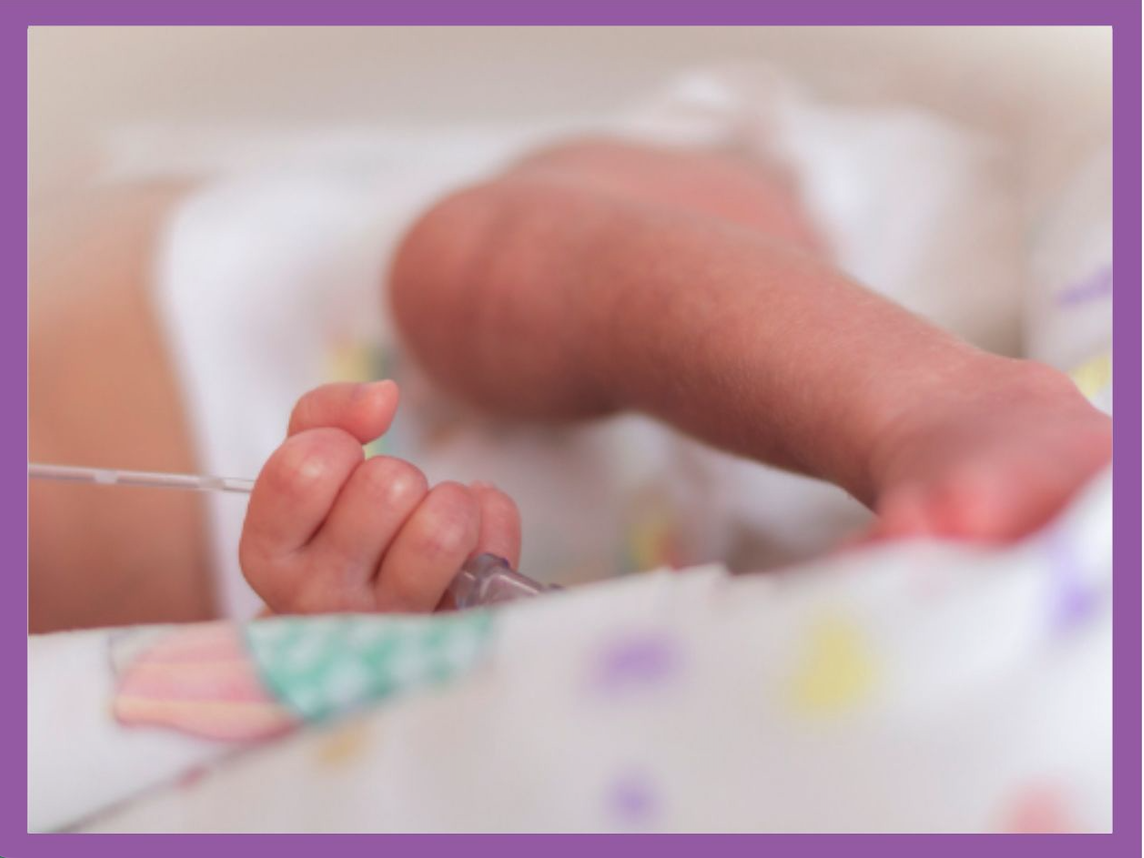
Premature babies sometimes need blood transfusions as part of their care. Around the time of a transfusion, neonatal units may either continue milk feeds or temporarily stop them, but there is uncertainty about which approach is safest.

The WHEAT Trial (Withholding Enteral Feeds Around Transfusion) is a major international clinical study investigating whether continuing or withholding feeds around a blood transfusion affects a premature baby’s risk of developing necrotising enterocolitis (NEC), a serious and potentially life-threatening bowel condition.


Why this research matters
WHEAT brings together research involving premature babies in Australia, Canada and the United Kingdom to answer an important question in everyday neonatal care.

By establishing whether feeding practices around blood transfusions influence the risk of NEC, the research aims to provide stronger evidence to guide neonatal care and improve outcomes for very premature babies.

Running for Premature Babies is proud to support the international WHEAT research and help bring together the evidence needed to answer this important clinical question.
PSANZ Newborn Resuscitation Project
Bringing parent lived experience into newborn resuscitation training

The first moments after birth can be critical for babies who need help to breathe. High-quality, consistent newborn resuscitation training helps ensure clinicians are prepared to provide the best possible care when a baby requires urgent assistance.

The Perinatal Society of Australia and New Zealand (PSANZ) is developing a professionally produced video featuring the lived experiences of parents whose babies have required newborn resuscitation. The video will form part of a broader newborn resuscitation training initiative, bringing the perspectives of families directly into clinician education.

Why this project matters
The project is designed to help translate evidence and training into clinical practice by connecting the technical aspects of newborn resuscitation with the real experiences of babies and families.

By strengthening training and awareness, the initiative aims to support improvements in newborn resuscitation practice and ultimately better outcomes for babies, including those born prematurely.

Running for Premature Babies is proud to fund the parent lived-experience video and support PSANZ in translating newborn resuscitation knowledge into better clinical care.
First Nations Preterm Birth Prevention Research
Understanding the vaginal microbiome and reducing the risk of premature birth

Aboriginal and Torres Strait Islander women experience higher rates of preterm birth. Researchers from the Australian Preterm Birth Prevention Alliance and Royal Brisbane and Women’s Hospital are investigating factors that may contribute to this disparity, including the vaginal microbiome and the acceptability of existing preterm birth prevention strategies.


The research is exploring the vaginal microbiome during pregnancy and whether particular bacteria may be associated with preterm birth and longer-term outcomes for premature babies. The project also examines the experiences and perspectives of First Nations women to help ensure future prevention strategies and research are culturally safe and appropriately designed.


Why this research matters
Understanding why some women are at greater risk of giving birth prematurely is an important step towards prevention. This pilot project will help lay the foundations for future research into the relationship between the vaginal microbiome, preterm birth and childhood outcomes, while ensuring First Nations voices are part of the research from the outset.

Running for Premature Babies provided seed funding to help establish the First Nations Advisory Group and support the pilot phase of this important preterm birth prevention research.

One of the Humidicribs donated to Royal Hospital for Women, NSW

Nava Ventilator donated to Flinders Medical Centre, SA

Phototherapy equipment donated to Royal Hospital for Women, NSW

Specialised Neonatal ambulance donated to NeoRESQ, providing life-saving care on the go in Queensland

Giraffe Warmer Incubator donated to Alice Springs Hospital, NT

Massimo Monitor donated to Redcliffe Hospital, QLD  

Baby Leo TN500 IncuWarmer and Ventilator donated to Royal Hospital for Women, NSW

Baby Leo TN500 IncuWarmer in use at Royal Hospital for Women, with parents by their newborn’s side

BabyRoo TN300 Open Care Warmer donated to Orange Hospital, NSW