Who Is More Likely to Have a Premature Baby?
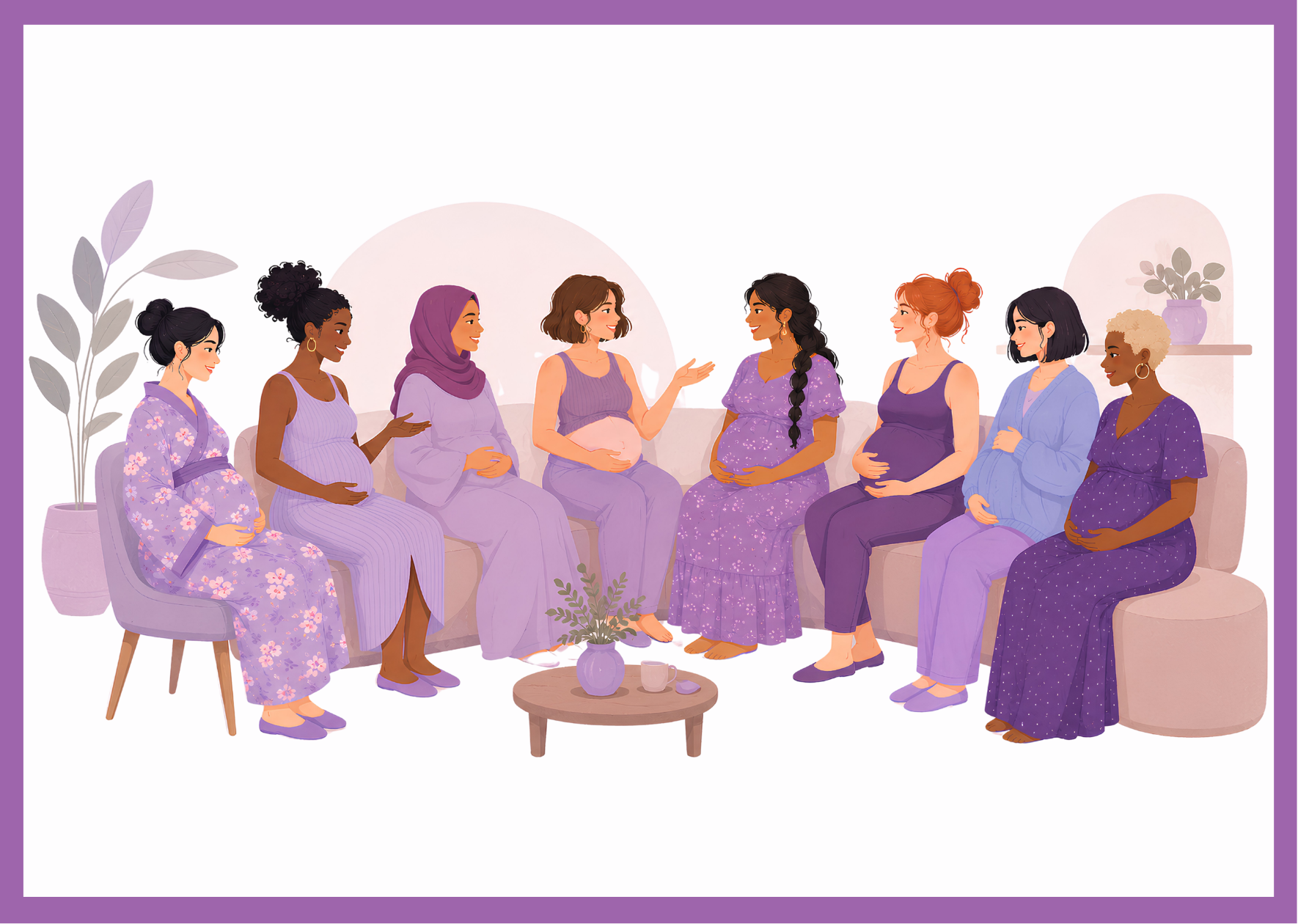
Premature birth – the birth of a baby before 37 weeks of gestation – can happen to anyone. However, research has identified a number of factors that increase the likelihood of a baby being born early. Understanding these risk factors can help expectant parents and healthcare providers work together to monitor, manage, and where possible, reduce the risk.
It is important to note that having one or more risk factors does not mean a premature birth will definitely occur. Many women with risk factors go on to deliver at full term, and some premature births occur with no identifiable risk factors at all.
Maternal age
Age is a well-established factor in premature birth risk. Babies born to mothers who are younger than 20 years or older than 39 years are statistically more likely to be born preterm.
Younger mothers may face higher risk due to factors such as less access to antenatal care, nutritional deficiencies, or ongoing physical development. Older mothers may be more likely to experience pregnancy complications such as pre-eclampsia or gestational diabetes, which can lead to early delivery.
Previous preterm birth
One of the strongest predictors of premature birth is having had a previous preterm delivery. Women who have experienced a prior premature birth are at significantly increased risk of it happening again in subsequent pregnancies.
If you have a history of preterm birth, your healthcare provider can discuss monitoring and preventive strategies, such as cervical length screening and progesterone treatment, to help reduce the risk.
Multiple pregnancies
Carrying twins, triplets, or higher-order multiples substantially increases the risk of premature birth. Approximately 63% of twins and nearly all higher-order multiples are born before 37 weeks, compared with around 7% of singleton pregnancies. The increased risk is due to the greater physical demands placed on the mother’s body and the higher likelihood of complications such as preterm labour, pre-eclampsia, and restricted foetal growth.
First Nations Australians
Aboriginal and Torres Strait Islander women experience premature birth at approximately twice the rate of non-Indigenous women. This disparity is driven by the social determinants of health, including access to care, housing, nutrition, and the ongoing impacts of colonisation and systemic disadvantage.
Culturally safe maternity care and community-based programs have been shown to improve outcomes for First Nations families. You can read more in our article on understanding prematurity in First Nations Australians.
Socioeconomic disadvantage
Families experiencing socioeconomic disadvantage are more likely to have a premature baby. Limited access to healthcare, nutritious food, stable housing, and social support all contribute to this increased risk.
Addressing these broader social determinants is an important part of reducing premature birth rates at a population level.
Pregnancies conceived through IVF
Pregnancies resulting from in vitro fertilisation (IVF) and other assisted reproduction technologies carry a higher risk of preterm birth. This is partly due to the higher incidence of multiple pregnancies associated with IVF, but even singleton IVF pregnancies have a slightly elevated risk.
Health conditions and lifestyle factors
A range of health conditions and lifestyle factors can also increase the likelihood of premature birth:
- Chronic conditions such as diabetes, high blood pressure, or kidney disease
- Infections during pregnancy, including urinary tract infections and bacterial vaginosis
- Smoking, alcohol use, or recreational drug use during pregnancy
- Being underweight or overweight before pregnancy
- High levels of stress or inadequate social support
- Short intervals between pregnancies
What you can do
If you are pregnant or planning a pregnancy and have any of the risk factors described above, speaking with your healthcare provider is an important first step. Together, you can develop a plan that includes regular monitoring, healthy lifestyle choices, and access to the right care and support.
Early and consistent antenatal care is one of the most effective ways to identify and manage risk, giving every baby the best possible start.
Running for Premature Babies is dedicated to supporting families affected by prematurity. By giving today, you can help fund urgently needed neonatal equipment that supports hospitals and saves the lives of sick and premature babies. Read more in our week-by-week Pregnancy Resources.
Get Involved
Run with us
Donate
Join the Premmie Marathon Challenge

How Running for Premature Babies Helps Support NICUs, SCNs and Maternity Units
Running for Premature Babies is one of Australia’s leading charities, funding essential equipment for NICUs, special care nurseries and maternity units to give sick and premature babies the best possible chance of survival.
Since 2007, our charity has raised millions in donations to provide critical neonatal equipment to hospitals nationwide, including humidicribs, monitors, ventilators, and resuscitation cots. We also invest in cutting edge research to advance the treatment options for premature infants. You can read more about our impact here.
Beyond funding, we raise awareness of prematurity and the immense demands on NICUs, highlighting the reality that 1 in 10 babies in Australia is born prematurely. Our charity celebrates all prematurely born children, both living and lost, with many supporters having lived experience of prematurity.
Through community running events and nationwide fundraising, Running for Premature Babies empowers everyday Australians to make a tangible difference to give premature babies their best possible start in life.
Give today and help fund urgently needed neonatal equipment and research that save the lives of sick and premature babies.