

Bringing Your Baby Home After NICU
Bringing your baby home after a NICU stay is a significant milestone, filled with joy and relief, but it may also come with an understandable fear of what comes next.
After weeks or months surrounded by monitors, medical experts and routine check-ins, transitioning home can feel both exciting and overwhelming. This guide is designed to support families through that shift, offering practical preparation and emotional reassurance to help you navigate life beyond the NICU with confidence and compassion.

How to Prepare Your Home for a Premature Baby From the NICU?
Preparing your home for your baby’s arrival is an important part of the transition from hospital to family life. Creating a calm, clean and safe environment will support your wellbeing and your baby’s growth and recovery.
Guidelines encourage families to prepare their living space by reducing clutter, ensuring surfaces are clean and arranging essential supplies before discharge. Special attention to heating and lighting, including keeping the room warm, softly lit and free from sudden sensory changes, can help your baby adjust after the carefully controlled conditions of the NICU.
Depending on your baby’s needs, you may also require equipment such as feeding supplies, prescribed medications or loaned items like digital scales or pumps. These are often provided or reviewed as part of discharge planning and home care programs. With support from your medical team, these preparations can help create a nurturing home environment where your baby can continue to thrive.
Preparing for Discharge From the NICU
Discharge from the NICU is a carefully planned process, and your baby’s care team will guide you every step of the way to ensure you feel informed, confident and supported. Planning begins well before the day your baby goes home, with nurses, doctors and discharge coordinators preparing parents through hands-on teaching, discussions about care needs and arranging follow-up appointments.
Before discharge is approved, babies must meet key developmental and medical milestones, such as maintaining stable breathing, feeding effectively through breastfeeding, bottle-feeding or a planned tube-feeding transition, and demonstrating consistent weight gain. These milestones help the medical team determine that your baby is ready for the transition home.
Families are also introduced to discharge coordinators and provided with take-home education, including feeding instructions, equipment guidance and information about any required medications. This may be supported by programs such as NSW’s Hospital in the Home (HITH) service for infants who need ongoing monitoring or specialised support at home. This structured and collaborative approach helps ensure a smooth and reassuring move from hospital to home.
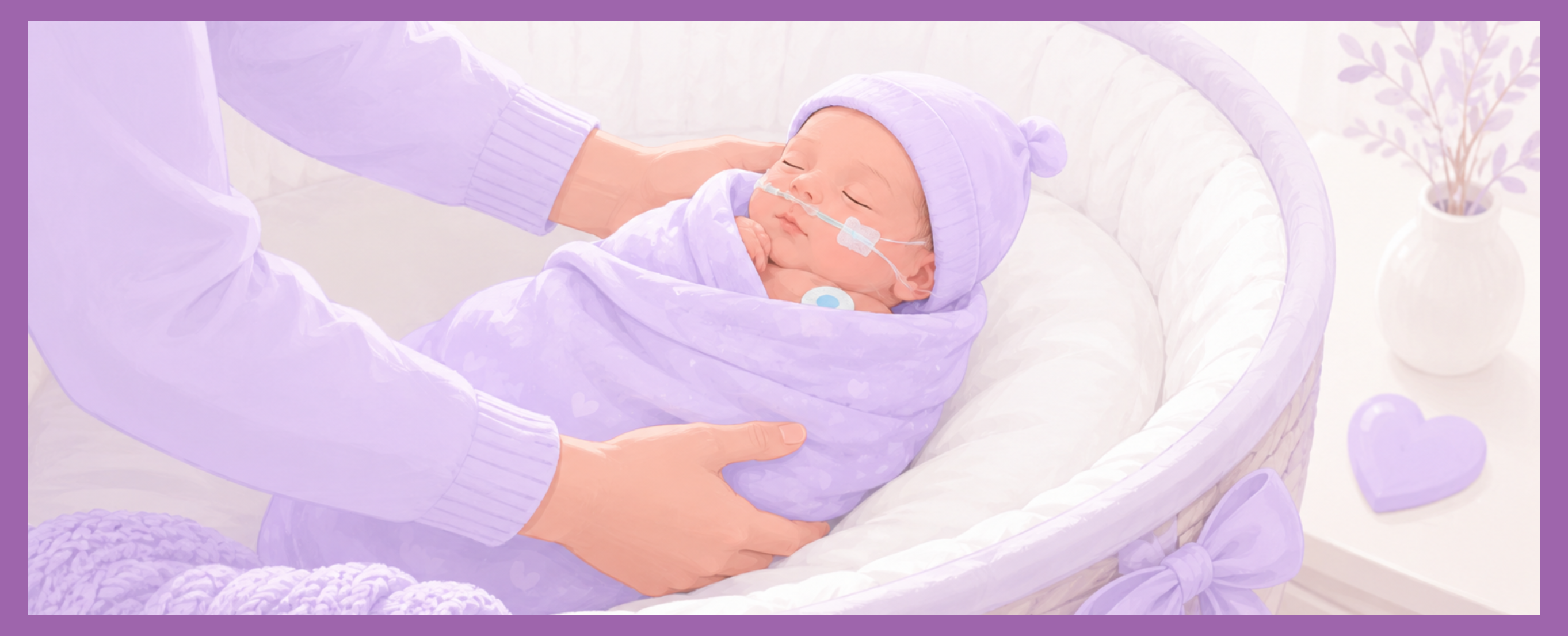
How to Feed and Help Your NICU Baby Sleep at Home
Adjusting to feeding and sleeping at home after a NICU stay can take time, as both you and your baby transition from the structured hospital routine to a more flexible home environment. Parents are encouraged to introduce familiar feeding equipment at the hospital before going home, helping babies adjust more smoothly to bottle-feeding or breastfeeding routines once they are in their own space.
At home, maintaining cleanliness and a calm, organised environment helps support safe feeding practices, whether you are breastfeeding, bottle-feeding or managing expressed milk. Here are some practical tips to support feeding at home:
- Use feeding equipment your baby has already practised with in the NICU
- Keep feeding supplies clean and organised
- Follow the feeding plan provided during discharge, including amounts, timing and any special requirements
- Store expressed milk safely, using clear labelling and appropriate refrigeration or freezing times as advised by your NICU team or community health nurse
- Practise paced bottle-feeding to help your baby regulate swallowing and breathing. Paced bottle-feeding slows the flow of milk during bottle feeds, allowing your baby to regulate swallowing and breathing at their own pace. It is especially important for NICU graduates who are still developing feeding coordination.
- Try skin-to-skin contact, also known as kangaroo care, before feeds, as this can support milk supply and feeding readiness
- Watch for your baby’s hunger cues, such as rooting, sucking motions or bringing their hands to their mouth, to help establish responsive feeding patterns
- Take your time. Feeds may still be slow, especially for babies transitioning from tube feeding to oral feeding. Many NICU infants continue to build stamina at home.
- Ask for follow-up support from lactation consultants and child and family health nurses
- Keep notes on feeds, including amounts taken, times and any challenges. This helps you and your care team track progress after discharge.
Sleep patterns may also shift in a new environment. Newborns often need time to settle into different lighting, noise levels and daily rhythms once they leave the controlled NICU setting. Creating a calm, low-stimulation sleep space and observing your baby’s natural wake windows can ease this transition, supporting the steady rest and growth they need after leaving hospital.
Here are some tips for navigating sleep patterns:
- Create a Calm Sleep Environment: Keep the room quiet and low in stimulation to help your baby adjust from the controlled NICU setting to home, while following the safe sleep guidance provided by your healthcare team.
- Watch for Early Tired Cues: Look for subtle signals such as yawning, staring or bringing their hands to their face. NICU graduates often tire quickly and need frequent rest.
- Keep Wake Windows Short: Limit awake time between naps. Premature babies and NICU graduates typically need shorter wake windows than babies born at full term.
- Use Light to Guide Rhythm: Use dim lighting when winding down and natural light during the day to gently support sleep and wake regulation.
- Keep Routines Predictable but Flexible: Use a simple feeding, awake and sleep rhythm, adjusting as your baby learns to settle into their new environment.
Medical Follow-Ups and Appointments
Ongoing medical follow-ups and appointments are an essential part of life after the NICU, ensuring your baby continues to grow, develop and thrive with the right specialist support. Babies often return for regular check-ups with paediatricians, neonatologists and allied health specialists through structured clinics designed to monitor neurodevelopment, growth, feeding, movement and overall health after discharge.
Because premature babies reach milestones on a different timeline, their progress is assessed using corrected age, which adjusts their developmental expectations based on how early they were born. For babies who need extra support, the NICU team may help arrange ongoing therapies such as physiotherapy, speech pathology or dietetics, with many clinics providing coordinated multidisciplinary care. This structured approach ensures families feel supported long after leaving hospital.
Is It Normal to Feel Anxious After Bringing Your Baby Home From the NICU?
The emotional transition from the NICU to home can feel like a whirlwind, with many parents experiencing a mix of joy, anxiety, isolation and even hypervigilance as they adjust to caring for their baby without the constant presence of hospital staff. It is completely normal to feel overwhelmed by this change. Your world has been centred around monitors, schedules and medical guidance, and suddenly you are stepping into a new chapter filled with both freedom and responsibility. To ease the emotional rollercoaster, many parents find it helpful to create gentle routines, lean on trusted family and friends and give themselves permission to rest and adjust at their own pace. Reaching out for support can make a significant difference. NICU-specific counselling, parent support groups and peer networks, often available through hospitals, community health services and neonatal organisations, provide understanding, reassurance and a safe space to share experiences with others who truly understand the NICU journey. You do not have to navigate this transition alone, and finding a community can help you feel grounded and supported as you settle into life at home with your baby.
Protecting a Premature Baby at Home
Protecting a premature baby at home is an important part of the transition from the NICU, as preterm infants have immature immune systems and are more vulnerable to infections during the early weeks. Recently discharged premature babies often require extra caution to avoid exposure to illness, particularly during the first months when their immunity and respiratory strength are still developing. Families are encouraged to limit visitors, especially those who are unwell, and to keep outings minimal while maintaining good hand hygiene and a clean home environment.
If your baby shows signs of illness, such as changes in breathing, poor feeding, fever or unusual sleepiness, contact your medical team or GP promptly, as early assessment is essential for babies who were born prematurely or were unwell. Here is a quick checklist to help keep your baby protected at home:
- Wash your hands before touching or feeding your baby and ask all visitors to do the same
- Limit visitors during the early weeks, especially anyone with a cold, cough, stomach bug or recent illness
- Avoid crowded public places such as shopping centres, public transport and indoor gatherings until your paediatrician advises that it is safe
- Keep your baby’s environment clean, including regularly cleaning high-touch surfaces and properly sanitising feeding equipment
- Stay up to date with all recommended follow-up appointments
Building Confidence as a Parent
Building confidence as a parent after leaving the NICU is a gradual process, and it is completely normal to feel unsure at first as you adjust to caring for your baby without monitors or constant reassurance from hospital staff.
Parents grow more confident by becoming active participants in their baby’s care. Tracking your baby’s feeds, nappy changes, sleep and developmental milestones can help you recognise patterns, celebrate progress and reassure yourself that your baby is thriving at home.
As you settle into your own rhythm, each small success, whether it is a smooth feed, a settled sleep or a new milestone, reinforces your instincts and strengthens your self-trust.
Ongoing follow-up clinics and support services also play a key role, offering guidance and reassurance from paediatric and developmental specialists as your baby grows.
Support Systems and Community Services
Support systems and community services help families adjust after bringing a premature baby home by providing reassurance and continuity of care beyond the NICU.
Many neonatal units offer post-discharge support, including home visits, transition assistance and follow-up coordination with specialised teams.
Community health nurses and early intervention programs are also vital sources of support, offering developmental monitoring, feeding guidance and referrals to physiotherapy, speech pathology or other therapies when required.
Connecting with other premmie parents through groups, play-based programs or peer networks can further ease the emotional load, offering shared experiences and reassurance from people who truly understand the NICU journey.
How Fundraising Helps Families Transition Home
Community generosity can make a profound difference to a family’s wellbeing and a baby’s opportunity to thrive at home.
Donations enable organisations to provide discharge education, follow-up programs, emotional support and practical resources, including parent-to-parent support, helplines and take-home kits that guide families through feeding, development and early caregiving needs.
Running for Premature Babies supports NICUs in preparing families for a confident return home, helping ensure every family leaves hospital not only with hope but also with the tools, knowledge and support they need to thrive.
See FAQs Below
Get Involved
Run with us
Donate
Join the Premmie Marathon Challenge
FAQs
How do I know if my baby is ready to come home from the NICU?
While every baby’s journey is unique, NICUs across Australia rely on clear developmental and medical milestones to ensure that babies are safe and stable enough for discharge.
Your baby may be considered ready to go home once your baby is gaining weight steadily, maintaining their temperature in an open cot, feeding effectively (breast, bottle, or a combination), and showing stable breathing and heart rhythms. These criteria align with common NICU discharge standards used internationally and by major hospitals, which emphasise readiness through feeding ability, temperature regulation, respiratory stability, and ongoing growth.
What should I expect emotionally when bringing my baby home?
Bringing your baby home from the NICU is often an emotional whirlwind, and it’s completely normal to feel a mix of joy, relief, fear, and even loneliness as you settle into life beyond the monitors and medical team. Many parents describe feeling nervous about caring for their baby without hospital support, worried about their baby getting sick again, or unsure how they will cope with the responsibility. It’s also common to feel different from who you were before the NICU journey, or to feel overwhelmed by the shift from a structured hospital routine to a more unpredictable home environment, something often noted by parents adjusting to new rhythms after discharge.
The good news is that these emotions are not only common, but they’re also expected. Over time, as you learn your baby’s cues, settle into a routine, and lean on support networks, your confidence grows. And you’re not doing this alone: resources, follow-up care, and community support exist to help guide you through the transition.
How do I keep my NICU baby healthy at home?
Keeping your NICU baby healthy at home starts with reducing exposure to germs while supporting their gradual adjustment to life outside the hospital. Many NICU parents worry about their baby getting sick once away from medical staff, and guidance consistently emphasises good hand hygiene, limiting visitors, and avoiding crowded places in the early weeks to protect their still‑developing immune system. Babies may also react differently at home as they adapt to new routines, lighting, and noise, so maintaining a calm environment can help them settle smoothly. Regular follow‑up appointments remain essential to track growth and address concerns early, helping parents feel reassured and supported during this transition. Checklist for keeping your NICU baby healthy at home includes:
- Practice strict handwashing
- Limit visitors and avoid crowded outings.
- Create a calm, low‑stimulation environment
- Attend all follow‑up appointments to monitor health
What follow-up appointments will my premature baby need after NICU?
Most premature babies return for regular check-ups with paediatricians, neonatologists, and allied health specialists to monitor neurodevelopment, growth, feeding, and overall health. Progress is assessed using corrected age, which adjusts developmental expectations based on how early the baby was born.
What is Hospital in the Home (HITH) for NICU babies?
Hospital in the Home (HITH) is a NSW Health program that provides ongoing monitoring and specialised support for infants at home after NICU discharge, helping families transition safely with clinical oversight.

How Running for Premature Babies Helps Support NICUs, SCNs and Maternity Units
Running for Premature Babies is one of Australia’s leading charities, funding essential equipment for NICUs, special care nurseries and maternity units to give sick and premature babies the best possible chance of survival.
Since 2007, our charity has raised millions in donations to provide critical neonatal equipment to hospitals nationwide, including humidicribs, monitors, ventilators, and resuscitation cots. We also invest in cutting edge research to advance the treatment options for premature infants. You can read more about our impact here.
Beyond funding, we raise awareness of prematurity and the immense demands on NICUs, highlighting the reality that 1 in 10 babies in Australia is born prematurely. Our charity celebrates all prematurely born children, both living and lost, with many supporters having lived experience of prematurity.
Through community running events and nationwide fundraising, Running for Premature Babies empowers everyday Australians to make a tangible difference to give premature babies their best possible start in life.
Give today and help fund urgently needed neonatal equipment and research that save the lives of sick and premature babies.