

Family Integrated Care (FICare) in the NICU
What Parents Need to Know
FICare, or Family Integrated Care, is a model of neonatal care that positions parents as essential members of their baby’s healthcare team. Rather than being passive visitors in the neonatal intensive care unit (NICU), parents are supported, educated, and empowered to take an active role in their premature baby’s daily care.
You may also hear this approach described as family-centred care or parent-partnered care. While terminology can vary between hospitals and regions, the core principle remains the same: families are not separate from the care team; they are part of it.
Why FICare Matters for Premature Babies
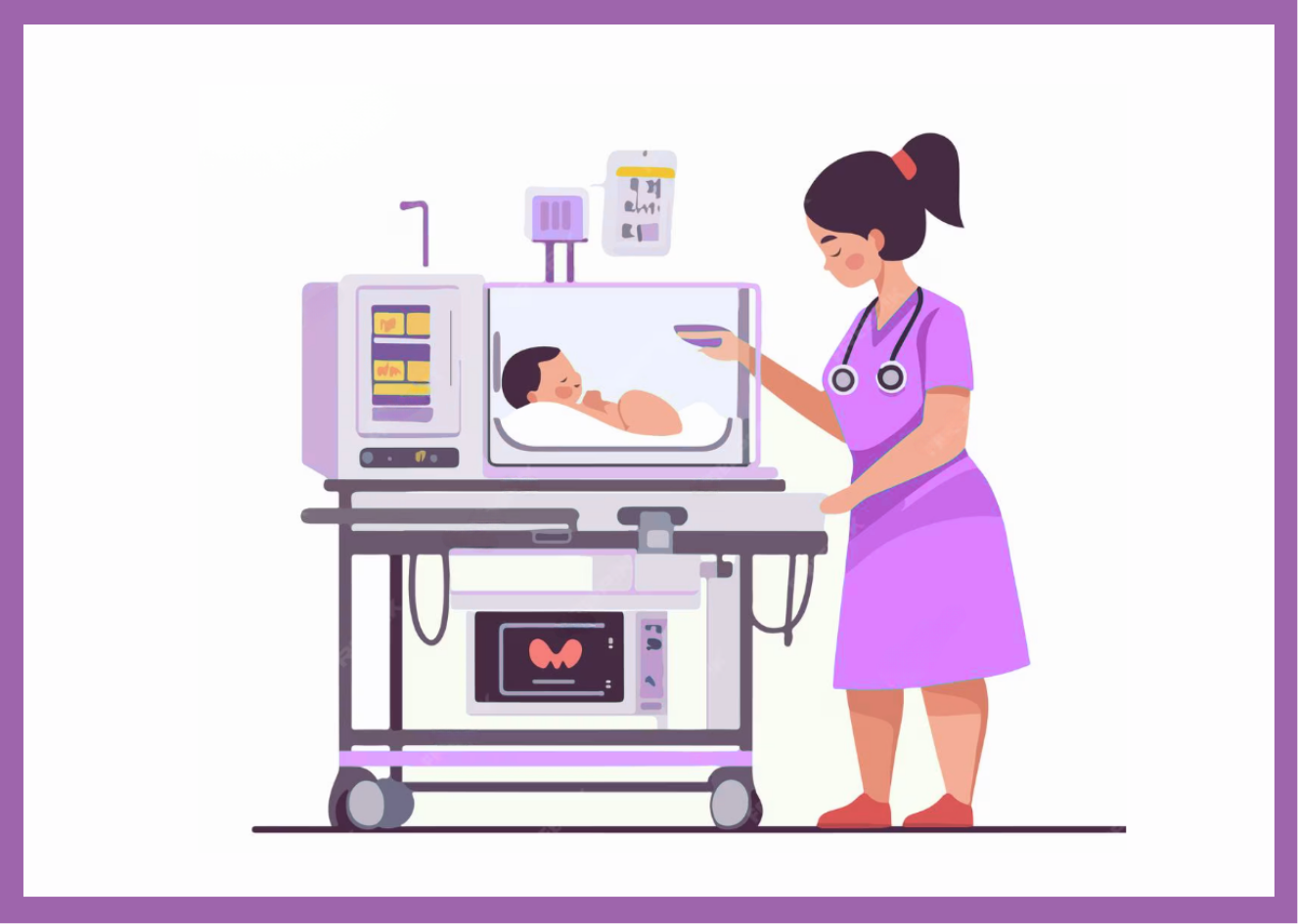
When a baby is born prematurely, the NICU experience can feel overwhelming for families. Parents may feel disconnected from their baby or uncertain about their role in a highly clinical environment. FICare helps bridge this gap by creating structured opportunities for parents to provide hands-on care under the guidance of neonatal staff.
Research shows that when parents are actively involved in their baby’s care, outcomes can improve across multiple areas. Babies benefit from the consistency and comfort of parental presence, while parents gain confidence and a sense of purpose during an otherwise uncertain time.

How FICare Works in the NICU
In a Family Integrated Care model, parents are taught to participate in many aspects of their baby’s daily routine, including:
- Feeding, whether by breast, bottle or tube
- Nappy changes and bathing
- Skin-to-skin care (kangaroo care)
- Monitoring growth and developmental progress
- Participating in medical rounds and care planning discussions
Neonatal nurses and doctors continue to provide clinical oversight and medical interventions, while parents take responsibility for the caregiving activities they are trained to perform. This collaborative approach means that parents are not replacing medical staff but working alongside them.
Benefits of FICare
Benefits for Babies
Premature babies participating in FICare programs may experience:
- Improved weight gain and growth
- Higher rates of breastfeeding at discharge
- Fewer hospital-acquired infections
- Greater physiological stability, including more regulated breathing and heart rate
- Shorter hospital stays in some cases
Benefits for Parents
Parents who participate in FICare often report:
- Reduced anxiety and stress during the NICU stay
- Greater confidence in caring for their baby
- Stronger emotional bonding with their baby
- Feeling better prepared for discharge and the transition home
These emotional and practical benefits are significant. Parental wellbeing is closely linked to infant outcomes, particularly in the weeks and months following a premature birth.
The Role of the Neonatal Team in FICare
Family Integrated Care does not mean that parents are left to manage alone. The neonatal team plays a vital role in:
- Providing education and training tailored to each family’s needs
- Offering emotional support and reassurance
- Supervising and guiding parents as they learn new skills
- Making clinical decisions and managing medical interventions
The relationship between parents and staff is one of partnership. Nurses and doctors support families throughout the process, helping ensure that care remains safe and effective.
FICare and Mental Health
Having a baby in the NICU can significantly affect parental mental health. Feelings of helplessness, guilt, anxiety and grief are common among families navigating the experience of premature birth.
FICare can help address some of these challenges by restoring a sense of agency. When parents are actively caring for their baby through feeding, comforting and being present for important milestones, it can reduce feelings of disconnection and powerlessness.
Many FICare programs also incorporate peer support, connecting families with others who have shared similar experiences. This sense of community can be an important source of comfort and understanding.
FICare for Fathers and Non-Birth Parents
Family Integrated Care is inclusive of all caregivers. Fathers, partners and other family members are encouraged to participate actively in the baby’s care. This helps distribute the caregiving role and ensures that bonding is not limited to one parent.
For fathers and non-birth parents, FICare provides a structured way to feel involved and connected during a time that may otherwise feel isolating. Their participation can also support the baby’s development and the family’s overall wellbeing.
How FICare Supports the Transition Home
One of the most significant benefits of FICare is how well it prepares families for life after the NICU. Because parents have been actively involved in their baby’s care throughout the hospital stay, the transition home may feel less daunting.
Parents who have practised feeding, bathing and settling routines in hospital often feel more confident and capable when they leave. This smoother transition may help reduce readmissions and support better long-term outcomes for both the baby and family.
Why FICare Matters Beyond the NICU
Family Integrated Care reflects a broader shift in how neonatal care is understood. By recognising parents as essential partners, FICare can improve outcomes for babies and families. It builds confidence, strengthens bonds and supports healthier transitions from hospital to home.
See FAQs Below
Get Involved
Run with us
Donate
Join the Premmie Marathon Challenge
FAQs
What if I cannot be at the hospital every day?
FICare is flexible and can be adapted to each family’s circumstances. Even when you cannot be present every day, the care team can work with you to make the most of the time you have and ensure you remain supported.
Is FICare available in all hospitals?
FICare programs are growing across Australia and internationally, although availability varies. Even when a hospital does not have a formal FICare program, many neonatal units follow family-centred care principles. Ask your care team how you can become more involved.
Do I need medical training to participate?
No. The neonatal team provides the training and guidance you need. FICare is designed to be accessible to families regardless of their previous experience.

How Running for Premature Babies Helps Support NICUs, SCNs and Maternity Units
Running for Premature Babies is one of Australia’s leading charities, funding essential equipment for NICUs, special care nurseries and maternity units to give sick and premature babies the best possible chance of survival.
Since 2007, our charity has raised millions in donations to provide critical neonatal equipment to hospitals nationwide, including humidicribs, monitors, ventilators, and resuscitation cots. We also invest in cutting edge research to advance the treatment options for premature infants. You can read more about our impact here.
Beyond funding, we raise awareness of prematurity and the immense demands on NICUs, highlighting the reality that 1 in 10 babies in Australia is born prematurely. Our charity celebrates all prematurely born children, both living and lost, with many supporters having lived experience of prematurity.
Through community running events and nationwide fundraising, Running for Premature Babies empowers everyday Australians to make a tangible difference to give premature babies their best possible start in life.
Give today and help fund urgently needed neonatal equipment and research that save the lives of sick and premature babies.
References:
https://doi.org/10.2471/BLT.22.288977Family Integrated Care. (n.d.). About FICare.
https://familyintegratedcare.com/about/ Tiryaki, Ö., Çınar, N., & Caner, İ. (2024). The effect of family integrated care on preparing parents with premature infants hospitalized in the neonatal intensive care unit for discharge. Journal of Perinatology, 44, 1014-1021.
https://doi.org/10.1038/s41372-024-01931-5
DO IT WITH FAMILY AND FRIENDS
Join the Light a Lantern Community
Whether you choose to walk, fundraise, or support a team, you can add extra colour, joy, sparkle, and purpose to your Chinese New Year celebrations by helping light lanterns of hope for premature babies.
Taking part with family, friends, or colleagues turns your daily steps into a fun, shared challenge that brings everyone together.
Create and personalise your fundraising page with your group name and photos, then invite others to follow your progress, cheer you on, and help light up your lanterns throughout the season.