

Premmie Baby Sleep Patterns
Sleep is an essential part of the growth, healing and brain development of premature babies, but their sleep patterns often look very different from those of full-term newborns. In the NICU, premmies follow their own rhythms as their bodies mature, and even after coming home, their sleep can remain unpredictable while they catch up developmentally.
Understanding what is normal for premature baby sleep, along with the gentle ways parents can support healthy rest, can make things feel far more manageable.
This article explores how premmie babies sleep in hospital and at home, what parents can expect week by week, and how to create a calm, supportive environment that helps both babies and families rest a little easier.
How Premature Baby Sleep Differs From Full-Term Infants
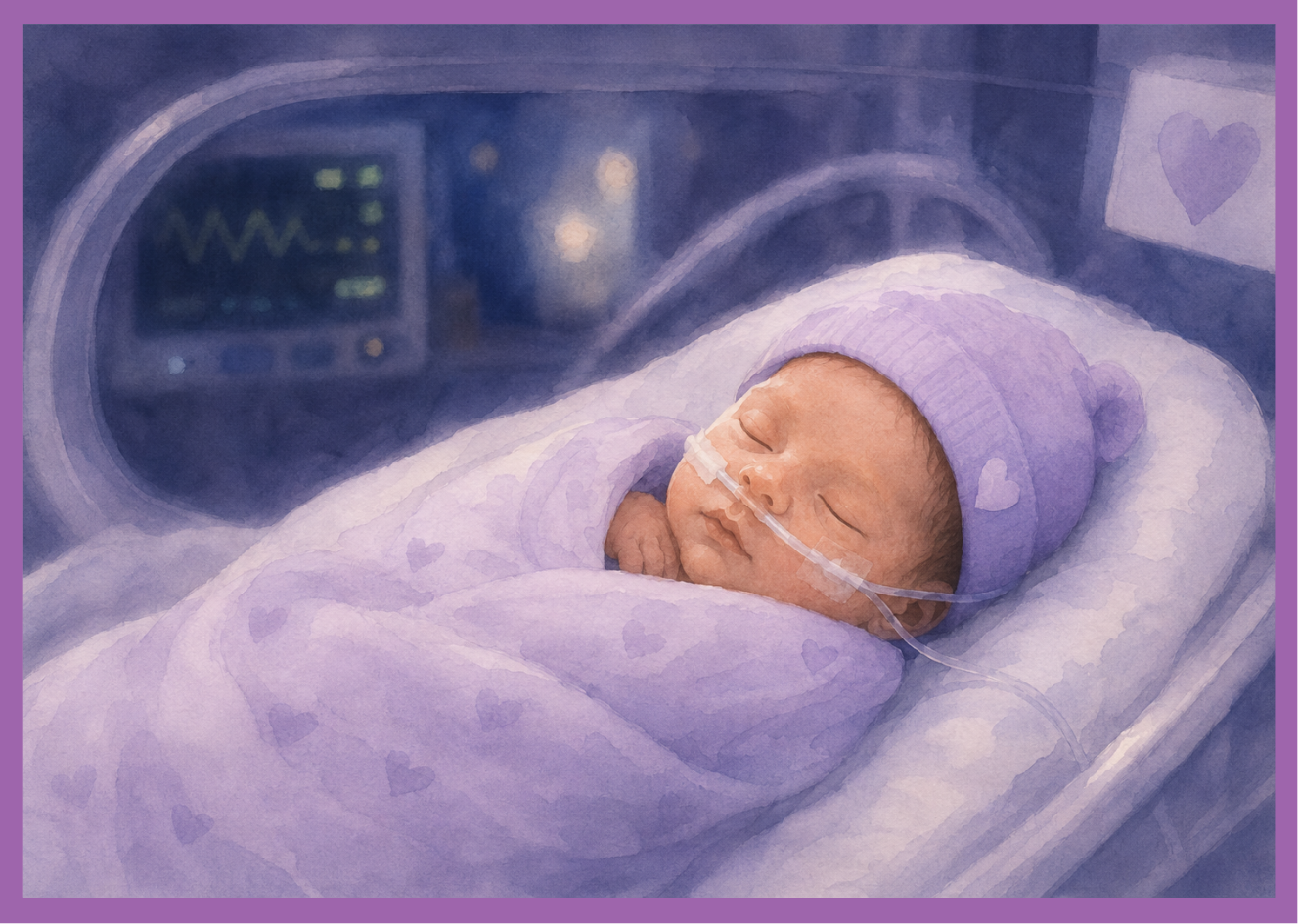
Premature babies sleep very differently from full-term infants because their brains and bodies are still maturing. Premature babies experience shorter and more frequent sleep cycles and often have little distinction between day and night, particularly during the early weeks, because their circadian rhythms are not yet fully developed.
The NICU environment can also have a significant effect on sleep, with noise, lighting and regular medical checks disrupting rest for sick or premature babies. Their developing brains are still forming the neural networks and hormonal patterns that support deeper, more consolidated sleep, making their sleep lighter, more fragmented and highly sensitive to their surroundings.
Typical Sleep Patterns by Gestational Age
Premature babies’ sleep patterns change rapidly as their brains and bodies develop, and these patterns can vary noticeably according to gestational age. Premature babies have immature sleep and wake cycles and spend much of their time in active sleep, a light and easily disrupted state similar to REM sleep, and deep sleep, a quieter and more restorative non-REM state that develops gradually as they mature.
At 28 to 32 weeks, most premature babies cycle frequently between active and deep sleep in very short periods, with limited ability to remain settled or regulate their own state.
Between 33 and 36 weeks, babies may begin having slightly longer sleep periods and start developing early circadian rhythms. However, day and night patterns are often still weak because of neurological immaturity and the stimulating NICU environment. Noise and interruptions for medical care can further fragment sleep during this stage.
Beyond 36 weeks, sleep generally becomes more organised, with clearer transitions between sleep states, longer periods of rest and less reactivity to environmental stimulation. As the brain networks involved in sleep regulation continue to mature, babies gradually develop healthier and more predictable sleep cycles.
Sleep in the NICU: What to Expect
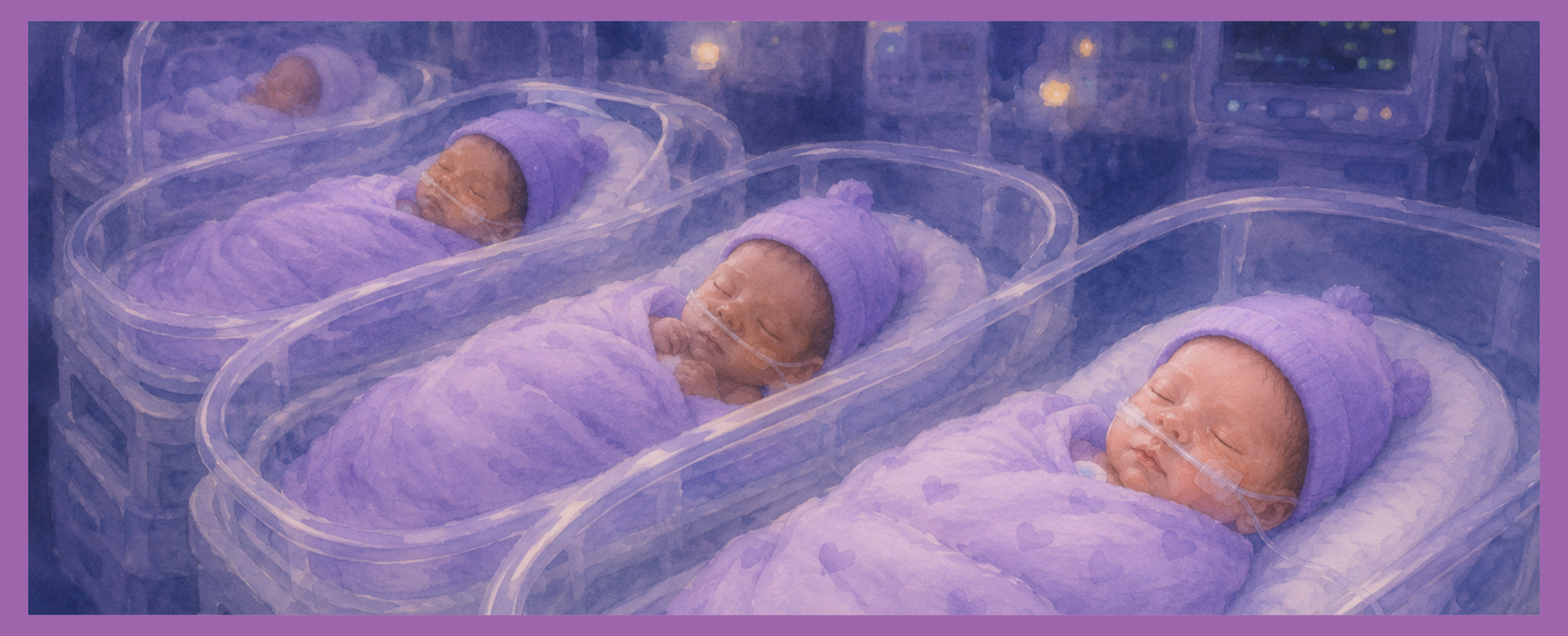
In the NICU, staff use a range of strategies to help protect and support a premature baby’s sleep, as the environment can easily disrupt their fragile sleep and wake cycles. NICUs work to minimise noise and bright lighting by introducing quiet periods, padding equipment and handling babies carefully to reduce disturbances that may shorten or fragment their sleep.
Nurses play an important role in monitoring each baby’s sleep and wake patterns, adjusting care routines so babies can complete their sleep cycles whenever possible and helping parents understand their baby’s cues.
Supportive tools such as swaddling, nesting boundaries and incubators can create a contained, womb-like environment that promotes comfort, supports developing circadian rhythms and protects both deep and active sleep states in premature babies.
Signs Your Premature Baby Is Ready to Sleep
Understanding when your premature baby is ready for sleep begins with recognising the small, early cues that show their developing nervous system is becoming tired or overwhelmed:
- Watch for Early Tiredness Cues: Premature babies often show subtle signs when they are ready for sleep, including yawning, staring, twitching, hiccupping or withdrawing from interaction.
- Recognise Overstimulation Early: Too much noise, handling or visual stimulation can quickly overwhelm premature babies. Signs may include fussiness, turning their head away or difficulty settling.
- Respect Sleep Windows: Responding to early tiredness cues and keeping sleep periods predictable can support neurological development, emotional regulation and smoother feeding and sleep patterns.
Can You Hold or Cuddle a Sleeping Premmie?
Holding or cuddling your premature baby while they sleep may be encouraged when it is guided by your NICU team and suited to your baby’s medical needs and cues. Many neonatal units support skin-to-skin contact, also known as kangaroo care, or gentle wrapped cuddles during sleep because these practices can help stabilise your baby’s temperature, breathing and heart rate while strengthening your bond.
Premature babies can tire easily, so it is important to balance these nurturing moments with their need for uninterrupted rest. Watch for signs that your baby is becoming overstimulated or needs a break. With guidance from NICU staff, you can find a rhythm that supports closeness while protecting your baby’s developing sleep patterns.
How Can I Help My Premature Baby Sleep Better at Home?
Supporting better sleep after your premature baby comes home begins with creating a calm, low-stimulation environment that helps their developing nervous system settle. Soft lighting, gentle noise levels and a consistent sleep space can make a meaningful difference.
As your baby grows, simple routines such as a predictable wind-down period, responsive settling and unhurried transitions between feeding, play and sleep can help them feel secure and begin to understand what comes next.
Every premature baby develops their own sleep rhythm in their own time. Many families begin to notice more predictable naps and longer periods of sleep at night as their baby approaches a corrected age of two to three months, particularly when their daily routine feels calm and consistent.
Safe Sleep Guidelines for Premature Babies
Premature babies can be particularly vulnerable during sleep, making recognised safe sleep practices essential. Australian health authorities recommend placing babies on their back for every sleep, using a firm and flat sleep surface such as a cot or bassinet, and keeping the sleep space free from loose bedding, toys, pillows and positioners.
These measures help protect a premature baby’s developing airway and reduce the risk of sudden unexpected death in infancy.
For babies with additional medical needs, such as reflux, respiratory support or specific positioning requirements, any variation from standard safe sleep guidelines should only be made under the direction of a paediatrician or neonatal team. This helps families keep their baby safe while meeting their individual medical needs.
When to Seek Help for Sleep Issues
Premature babies can experience unique sleep challenges, and knowing when to seek professional help is important. Premature babies may be more vulnerable to breathing-related sleep issues, such as snoring, gasping or pauses in breathing, which may require prompt assessment by a GP or paediatrician.
Signs such as unusual daytime tiredness or struggling to breathe during sleep should also prompt a medical review, as early identification of sleep-related breathing difficulties is particularly important for babies with additional risk factors, including those born prematurely.
Working closely with your GP, paediatrician or child and family health nurse can help distinguish between normal sleep immaturity and sleep disruptions caused by reflux discomfort, airway development concerns or ongoing medical complications.
These healthcare professionals can assess whether your baby’s unsettledness or fragmented sleep is expected or whether further investigation is needed. For premature babies with persistent breathing irregularities, feeding-related reflux distress or unexplained night-time disturbances, referral to a paediatric sleep clinic or specialist sleep medicine service may be recommended.
Paediatric sleep centres, including clinics within major children’s hospitals and specialist facilities, can provide sleep studies and tailored assessments for babies with complex needs.
Seeking timely support helps ensure that concerns specific to premature babies are addressed early, supporting healthy development and family wellbeing.
How Fundraising Supports Premmie Sleep
Running for Premature Babies plays an important role in supporting healthier sleep for premature babies by funding specialised equipment and environments needed in neonatal intensive care units.
Donations raised through the charity help hospitals purchase advanced NICU humidicribs designed to reduce light and noise, minimise stress and provide a contained environment that supports better sleep.
Fundraising can also help neonatal units invest in noise-reduction resources, including padded incubator covers, noise-monitoring devices and quiet-time initiatives that support sleep quality and reduce overstimulation in sick and premature babies.
Through every race, kilometre and fundraiser, Running for Premature Babies helps hospitals create calmer, safer and more supportive sleep environments for the smallest and most vulnerable babies.
See FAQs Below
Get Involved
Run with us
Donate
Join the Premmie Marathon Challenge
FAQs
Do premature babies sleep more than full‑term babies?
Yes. Premature babies do sleep more than full‑term babies, often up to 90% of the day. This is because premmies are born before completing the final stages of growth in the womb and need to support rapid brain and body development.
Why is my premature baby’s sleep so fragmented?
Premature babies often have more fragmented sleep because their brains and nervous systems are still developing the ability to organise sleep cycles. Unlike full‑term infants, who arrive with more mature neurological pathways, premmies are still building the structures that regulate deeper, more predictable sleep. This immaturity leads to shorter and less consolidated sleep periods, with frequent waking for feeding, temperature regulation, or comfort. Their circadian rhythm, which helps distinguish day from night, also develops later, meaning their sleep appears irregular and unpredictable in the early months.
When will my premature baby start sleeping through the night?
Premature babies often take longer to sleep through the night than full‑term infants because their neurological and circadian systems need extra time to mature. While some full‑term babies may begin sleeping longer stretches at around four months, premmies typically reach this milestone closer to six to eight months of adjusted age, reflecting the additional developmental time they require outside the womb.

How Running for Premature Babies Helps Support NICUs, SCNs and Maternity Units
Running for Premature Babies is one of Australia’s leading charities, funding essential equipment for NICUs, special care nurseries and maternity units to give sick and premature babies the best possible chance of survival.
Since 2007, our charity has raised millions in donations to provide critical neonatal equipment to hospitals nationwide, including humidicribs, monitors, ventilators, and resuscitation cots. We also invest in cutting edge research to advance the treatment options for premature infants. You can read more about our impact here.
Beyond funding, we raise awareness of prematurity and the immense demands on NICUs, highlighting the reality that 1 in 10 babies in Australia is born prematurely. Our charity celebrates all prematurely born children, both living and lost, with many supporters having lived experience of prematurity.
Through community running events and nationwide fundraising, Running for Premature Babies empowers everyday Australians to make a tangible difference to give premature babies their best possible start in life.
Give today and help fund urgently needed neonatal equipment and research that save the lives of sick and premature babies.