
Premature Birth
A Global Perspective
Premature birth is a global health challenge. Every year, an estimated 13.4 million babies are born preterm – before 37 completed weeks of gestation – and complications arising from prematurity are the leading cause of death among children under five years of age worldwide.
While premature birth occurs in every country, the burden is not equally distributed. Rates of preterm birth, access to neonatal care, and survival outcomes vary significantly depending on geography, income level, and healthcare infrastructure.
Global preterm birth rates
Preterm birth rates differ markedly across regions. Sub-Saharan Africa and Southern Asia bear the highest burden, with countries such as Bangladesh and Malawi reporting preterm birth rates exceeding 14%. In contrast, many high-income countries report rates between 5% and 9%.
In Australia, approximately 8.7% of babies are born prematurely each year. While this places Australia in the mid-range globally, it still means that thousands of Australian families are affected by prematurity every year.
Globally, prematurity rates have remained largely unchanged over the past two decades, underscoring the need for continued investment in research, prevention, and care.

Why premature birth rates differ between countries
-
Access to quality antenatal care:early detection and management of risk factors can reduce preterm birth rates
-
Maternal nutrition and health: undernutrition, anaemia, and untreated infections contribute to higher rates in low-income settings
-
Socioeconomic conditions: poverty, inadequate housing, and limited access to education and healthcare are linked to poorer maternal and neonatal outcomes
-
Rates of multiple pregnancies: the use of assisted reproduction technologies in high-income countries contributes to higher rates of multiple births, which carry a greater risk of prematurity
-
Data collection and reporting: in some regions, preterm births may be underreported due to limited vital registration systems
Multiple births and prematurity
The impact of prematurity on child survival
Complications of preterm birth are the single largest cause of death in children under five globally. This includes direct complications such as respiratory distress syndrome, infections, and necrotising enterocolitis, as well as longer-term consequences for babies who survive but face ongoing health challenges.
In high-income countries with advanced neonatal care, survival rates for very premature babies have improved significantly over recent decades. However, in low- and middle-income countries, many premature babies still lack access to basic interventions such as warmth, feeding support, and treatment for infections.
The economic cost of premature birth
Although Kangaroo Care is often associated with mothers, it is equally valuable when provided by fathers or non-birth parents.
Skin-to-skin contact allows other caregivers to build a strong bond with the baby, regulate the baby’s vital signs, and actively participate in care. This can be especially important when the mother is recovering from birth or needs rest.
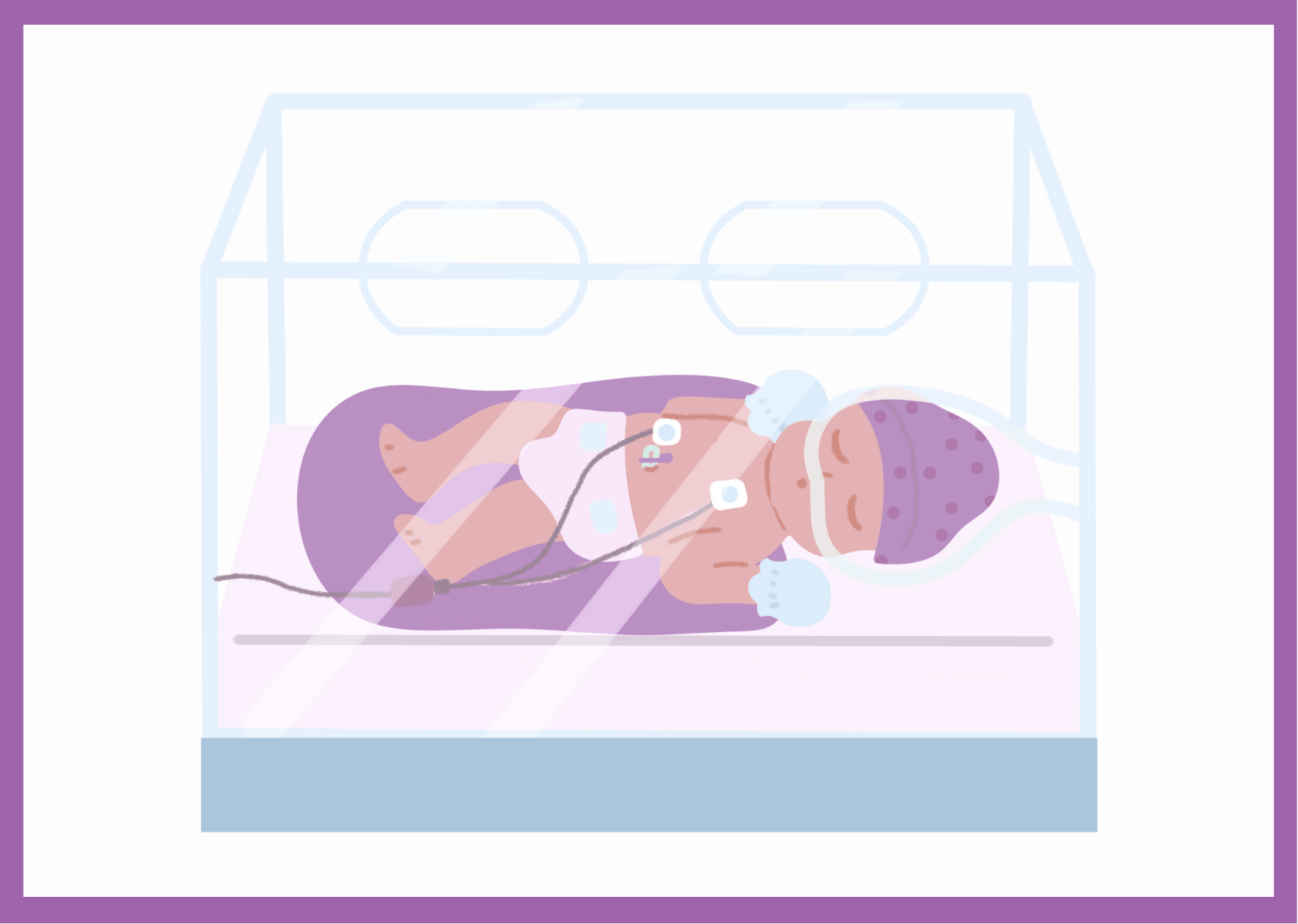
Kangaroo care with medical equipment in place
The financial impact of premature birth is substantial, both for families and healthcare systems. In Australia, the immediate cost of caring for an extremely premature newborn is estimated at around $216,000, while care for a moderately premature baby costs approximately $59,000.
Beyond the initial hospital stay, many premature babies require ongoing specialist appointments, developmental support, therapy services, and sometimes readmission to hospital. The broader economic impact includes lost productivity for families and long-term healthcare expenditure.
What is being done globally
Addressing premature birth requires action at multiple levels. Globally, efforts include:
- Investing in research to better understand the causes of preterm birth and develop effective prevention strategies
- Strengthening antenatal care systems, particularly in low-resource settings
- Expanding access to essential neonatal care, including kangaroo care, basic respiratory support, and infection prevention
- Supporting training and education for healthcare workers in neonatal care
- Advocating for policies that address the social determinants of premature birth, including poverty, nutrition, and education
Prematurity in Australia
In Australia, significant progress has been made in neonatal care, contributing to improved survival and outcomes for premature babies. However, disparities remain – particularly for First Nations families, those living in rural and remote areas, and communities experiencing socioeconomic disadvantage.
Continued investment in neonatal equipment, research, and equitable access to care is essential to ensure that every premature baby has the best possible start in life.
Get Involved
Run with us
Donate
Join the Premmie Marathon Challenge
How Running for Premature Babies Helps Support NICUs, SCNs and Maternity Units
Running for Premature Babies is one of Australia’s leading charities, funding essential equipment for NICUs, special care nurseries and maternity units to give sick and premature babies the best possible chance of survival.
Since 2007, our charity has raised millions in donations to provide critical neonatal equipment to hospitals nationwide, including humidicribs, monitors, ventilators, and resuscitation cots. We also invest in cutting edge research to advance the treatment options for premature infants. You can read more about our impact here.
Beyond funding, we raise awareness of prematurity and the immense demands on NICUs, highlighting the reality that 1 in 10 babies in Australia is born prematurely. Our charity celebrates all prematurely born children, both living and lost, with many supporters having lived experience of prematurity.
Through community running events and nationwide fundraising, Running for Premature Babies empowers everyday Australians to make a tangible difference to give premature babies their best possible start in life.
Give today and help fund urgently needed neonatal equipment and research that save the lives of sick and premature babies.